
 = Partner Site
Anchor Charts
Anchor charts are visual reference tools that help students internalize key concepts, strategies, and vocabulary. Whether displayed on classroom walls or tucked into student notebooks, these printable anchor charts give learners a quick reference point during independent reading and writing.
This collection covers essential ELA concepts including figurative language, reading comprehension strategies, character analysis, text structure, author’s purpose, and poetry forms. Each chart features clear definitions, memorable examples, and kid-friendly visuals designed for elementary and middle school classrooms.
Printable Anchor Charts for Classroom Handouts or Wall Posters

Acrostic Poems Anchor Chart
A classroom poster explaining acrostic poetry—where each letter of a word begins a new line—featuring "READ" as an example with tips for creating your own.
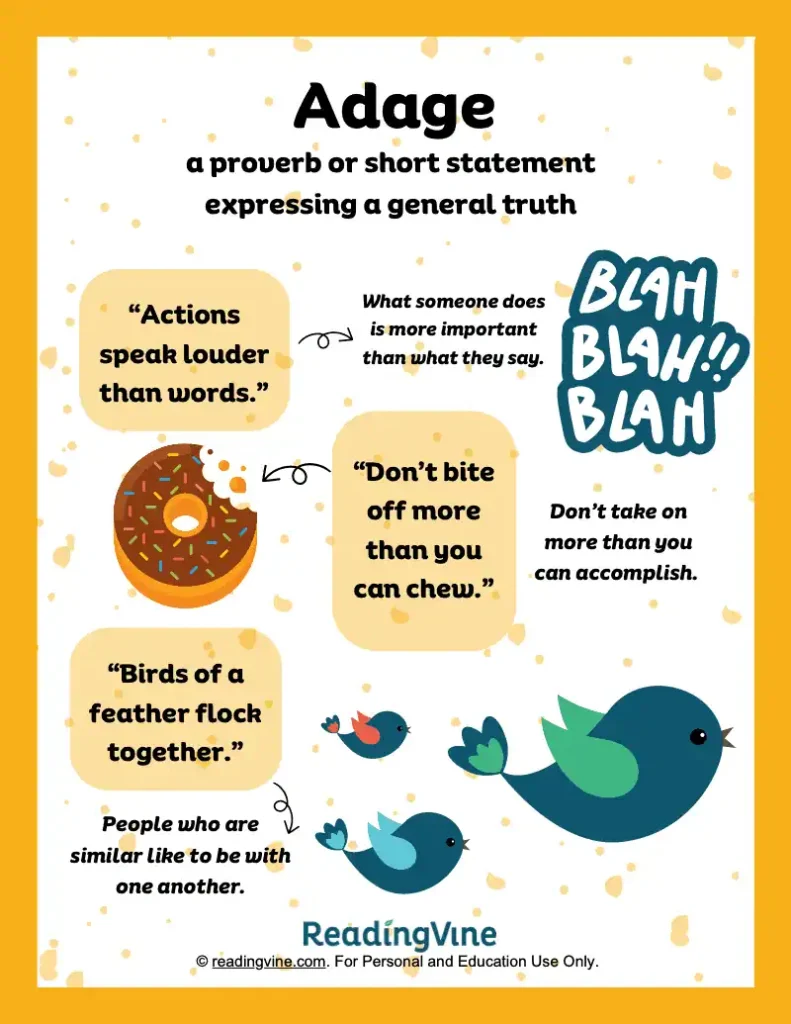
Adage Anchor Chart
A classroom poster defining adages as proverbs expressing general truths, with examples like "Actions speak louder than words," "Don't bite off more than you can chew," and "Birds of a feather flock together."

Alliteration Anchor Chart
A classroom poster defining alliteration—repetition of initial sounds in nearby words—featuring the classic "Betty Botter" tongue twister with repeated B sounds highlighted.

Author's Purpose Anchor Chart - Elementary School
A kid-friendly poster presenting three main author purposes—persuade, inform, and entertain—with examples of text types like speeches, articles, fiction, and comics for each purpose.

Author's Purpose Anchor Chart - Middle School and High School
A classroom reference poster outlining five author purposes—persuade, inform, explain, entertain, and describe—with brief definitions explaining why writers create different types of texts.

Cause and Effect Anchor Chart
A classroom poster defining cause as the reason something happened and effect as the result, using a simple plant-watering example to illustrate the relationship.

Character Traits Anchor Chart #1
A detailed reference poster showing four ways to identify character traits—through language, actions, insights from other characters, and physical traits—with example descriptors for each category.
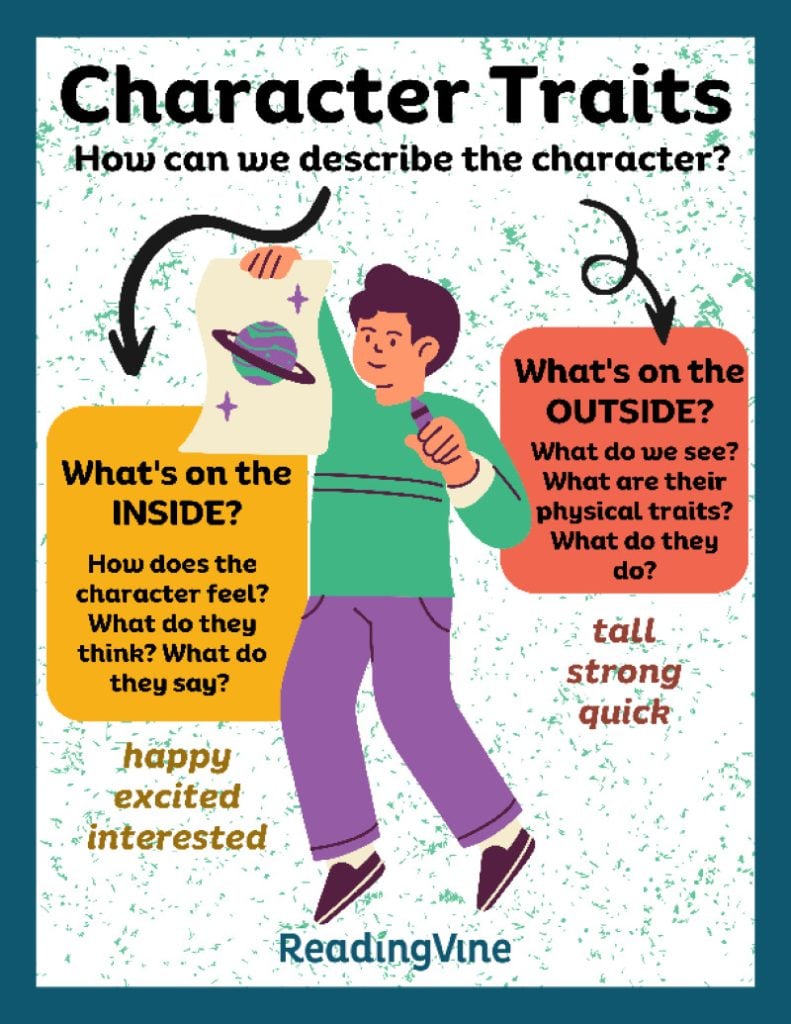
Character Traits Anchor Chart #2
A classroom poster distinguishing internal and external character traits, with "What's on the Inside?" covering feelings and thoughts, and "What's on the Outside?" addressing physical traits and actions.

Cinquain Poems Anchor Chart
A visual classroom poster explaining cinquain poetry—five lines with a 2-4-6-8-2 syllable pattern—featuring a sunshine-themed example with syllable counts marked.

Close Reading Strategy Anchor Chart
A classroom poster defining flat characters as uncomplicated figures who do not change throughout a story, using "Tim" as an example of a consistently happy supporting character.

Concrete Poem Anchor Chart
A visual classroom poster explaining concrete poetry—poems shaped to match their subject—featuring a spiral shell example that demonstrates how form connects to meaning.

Context Clues Anchor Chart
A visual classroom reference showing five types of context clues—logic/inferencing, examples, antonyms, synonyms, and definitions—to help students decode unfamiliar vocabulary.

Direct Characterization Anchor Chart
A visual reference explaining direct characterization as what an author explicitly tells readers about a character, with examples of physical descriptors and intellectual traits for a character named Lucy.

End Rhyme Anchor Chart
A colorful classroom poster explaining end rhyme—when words at the end of lines rhyme—featuring examples from "The Star-Spangled Banner" and "Humpty Dumpty."

Flat Character Anchor Chart
A classroom poster defining flat characters as uncomplicated figures who do not change throughout a story, using "Tim" as an example of a consistently happy supporting character.

Free Verse Anchor Chart
A classroom reference poster defining free verse poetry as having no specific structure, length, or rhyme scheme, featuring Carl Sandburg's "Theme in Yellow" as an example.
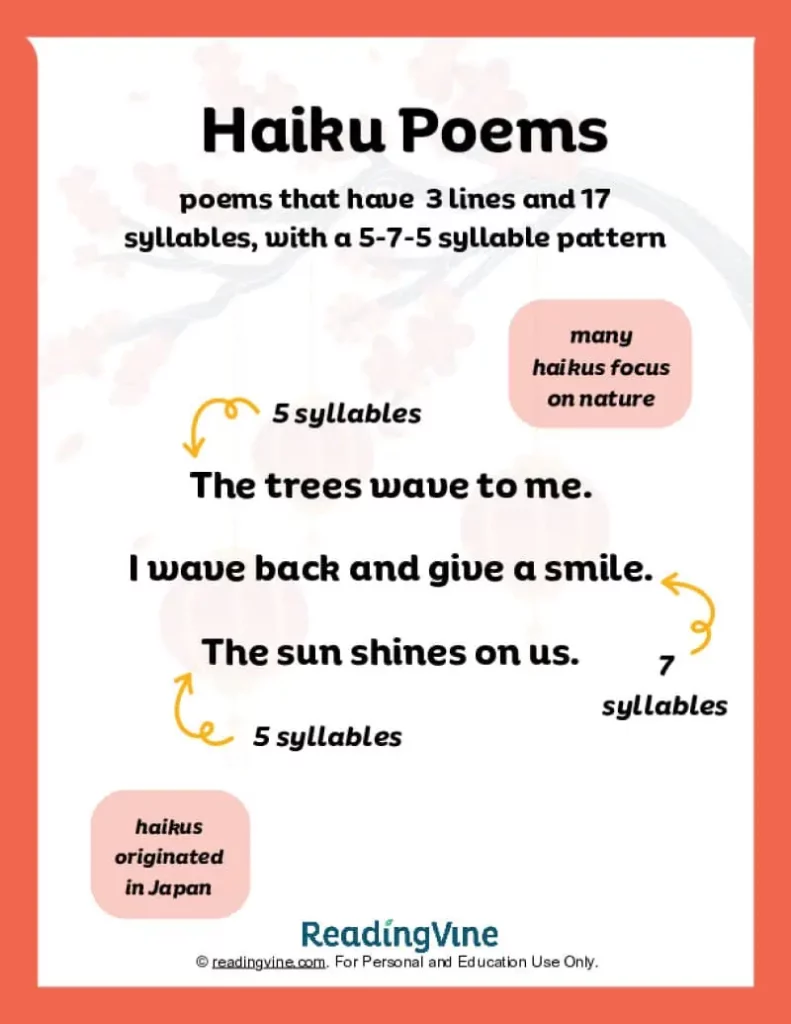
Haiku Poem Anchor Chart
A colorful classroom poster explaining haiku poetry structure—3 lines with a 5-7-5 syllable pattern—featuring a nature-themed example and noting the form's Japanese origins.

Hyperbole anchor chart
A classroom poster defining hyperbole as extreme exaggeration, featuring a clever raccoon illustration with the example "they could outsmart a team of geniuses."

"I Am" & "I Am From" Poems Anchor Chart
I Am and I Am From poems are all about you, using repetitive sentence starters to explore identity, experiences, family, and what makes you unique.

Idiom Anchor Chart
A classroom reference poster defining idioms as phrases with figurative meanings different from literal meanings, featuring "plenty of fish in the sea" with its interpretation.
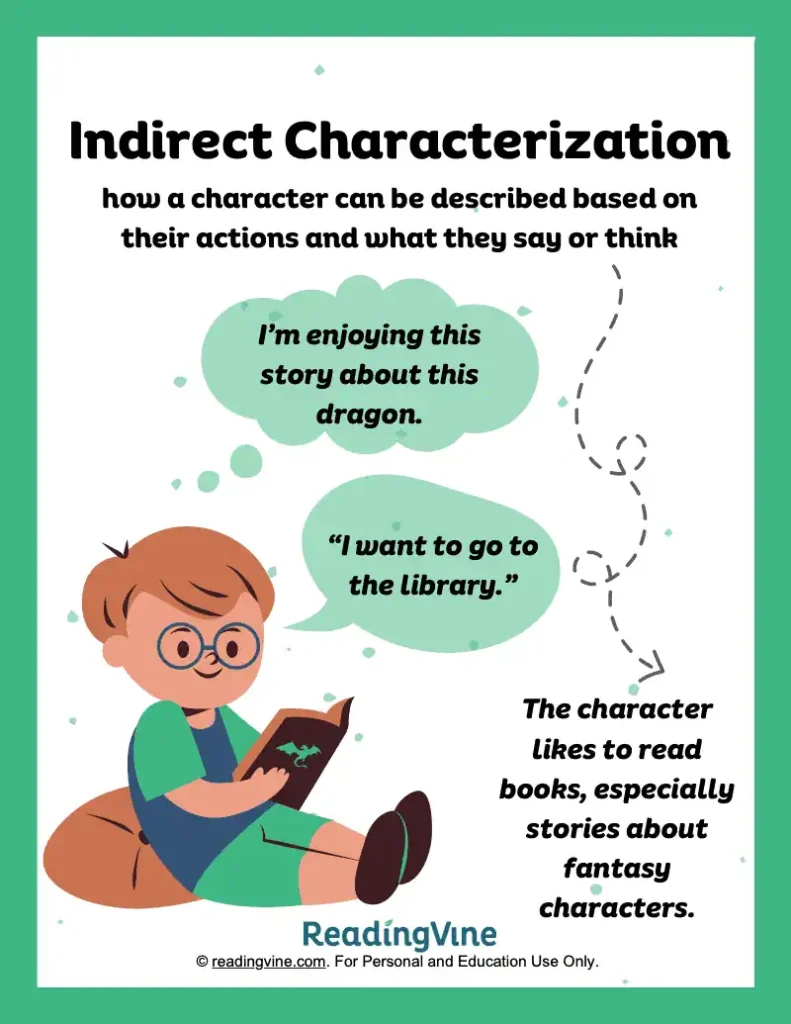
Indirect Characterization Anchor Chart
A visual reference explaining indirect characterization as describing characters through their actions and words, showing how a boy's dialogue about dragons and libraries reveals he loves reading.

Inferencing Skills Anchor Chart
A classroom poster explaining how to make inferences by combining text evidence with prior knowledge, featuring sentence starters like "Based on what I read, I think..."
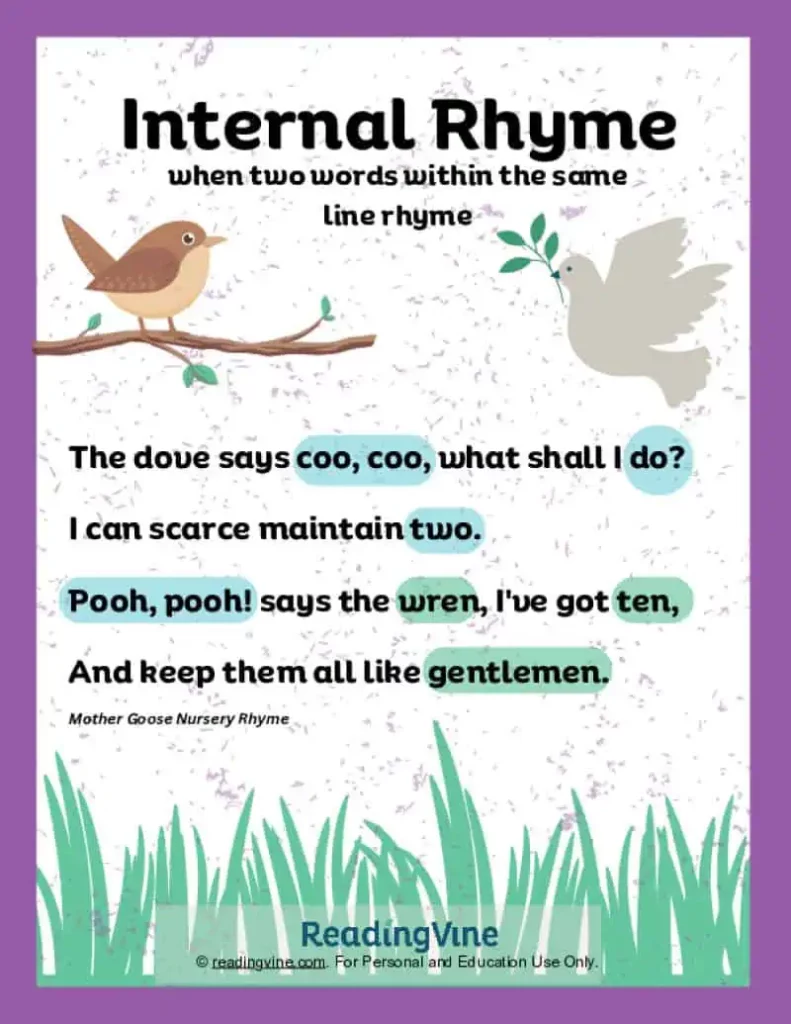
Internal Rhyme Anchor Chart
Internal rhyme occurs when words within the same line rhyme with each other, creating musical patterns and rhythmic effects inside poetic lines rather than only at line endings.

Limerick Poetry Anchor Chart
A classroom poster defining limerick poetry—five lines with an AABBA rhyme scheme—featuring a classic Edward Lear example about an old man with a beard.
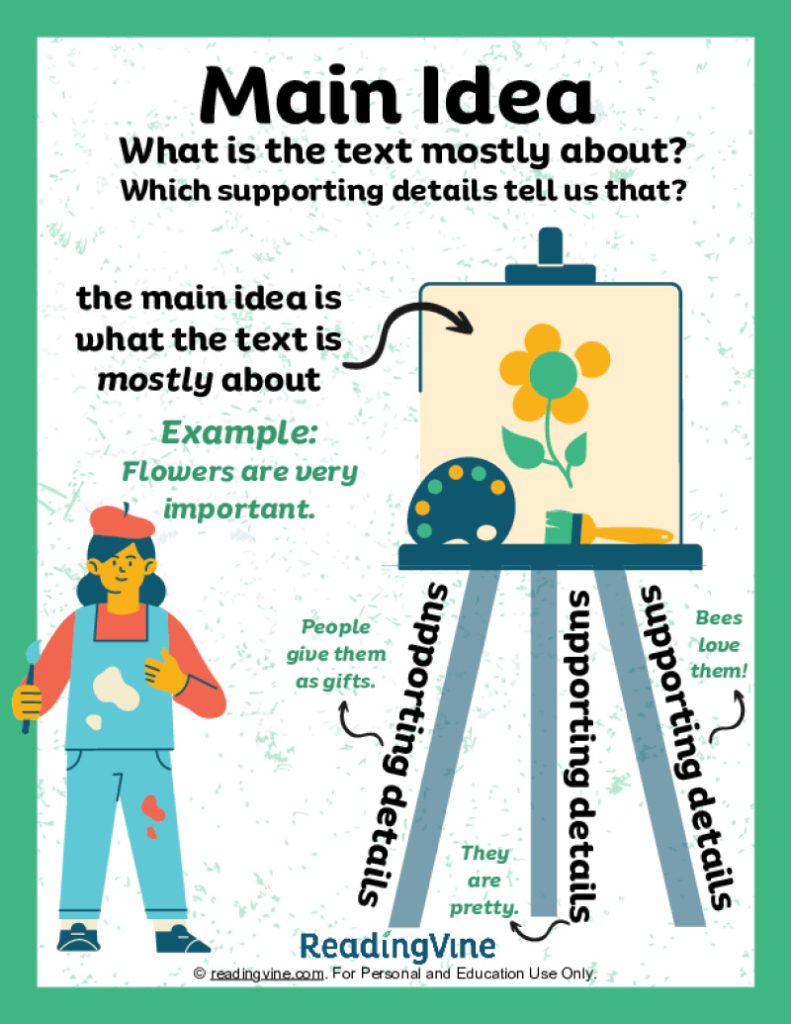
Main Idea Anchor Chart
A visual classroom reference explaining main idea as what a text is mostly about, with a flower illustration showing how supporting details connect to the central concept.

Metaphor Anchor Chart
A colorful classroom poster defining metaphor as a comparison without using "like" or "as," featuring an owl example with "My teacher is a night owl" and its meaning.

Ode Poems Anchor Chart
A colorful classroom reference defining ode poetry as praise or celebration of a subject, featuring a playful taco-themed example showing odes can be silly or serious.
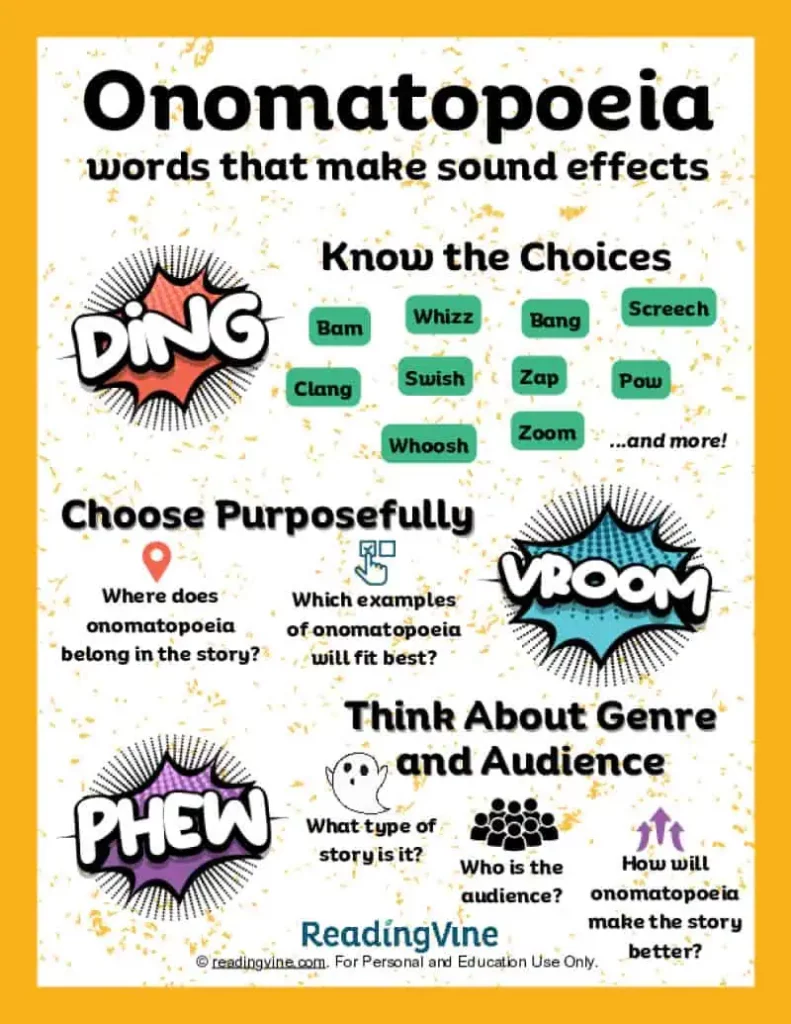
Onomatopoeia Anchor Chart
A vibrant classroom poster explaining onomatopoeia—words that imitate sounds—with examples like ding, whoosh, and vroom, plus tips for choosing them purposefully in writing.
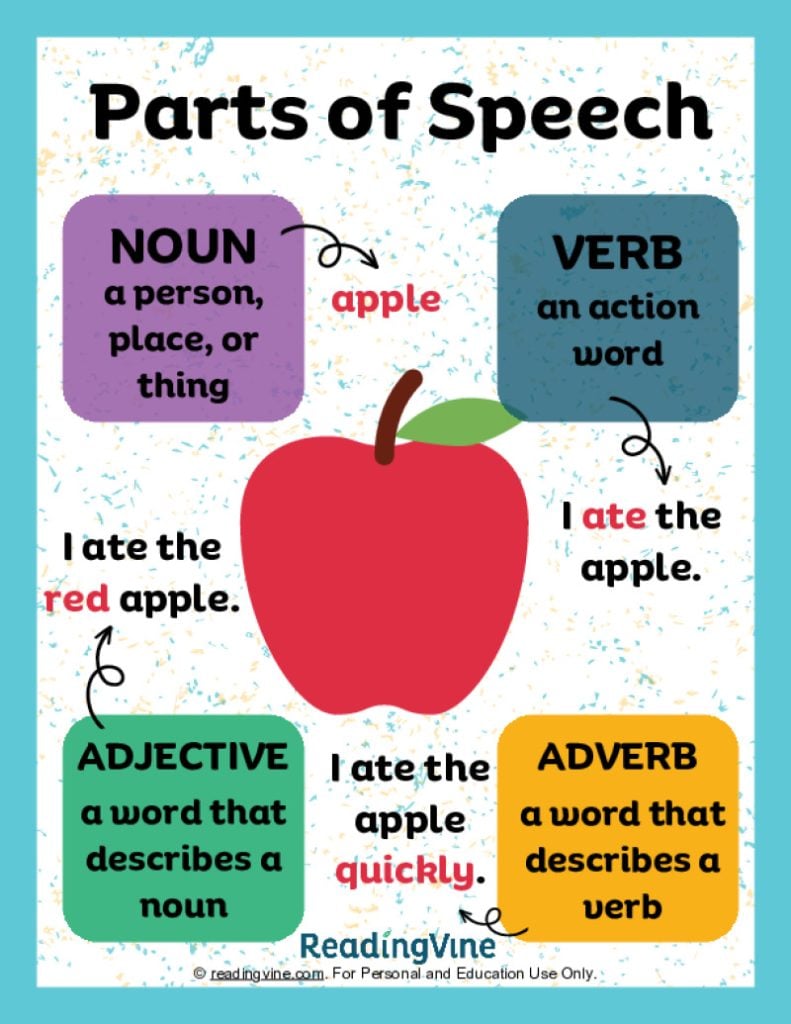
Parts of Speech Anchor Chart
A classroom poster introducing four parts of speech—noun, verb, adjective, and adverb—using an apple-themed example sentence to show how each word type functions.
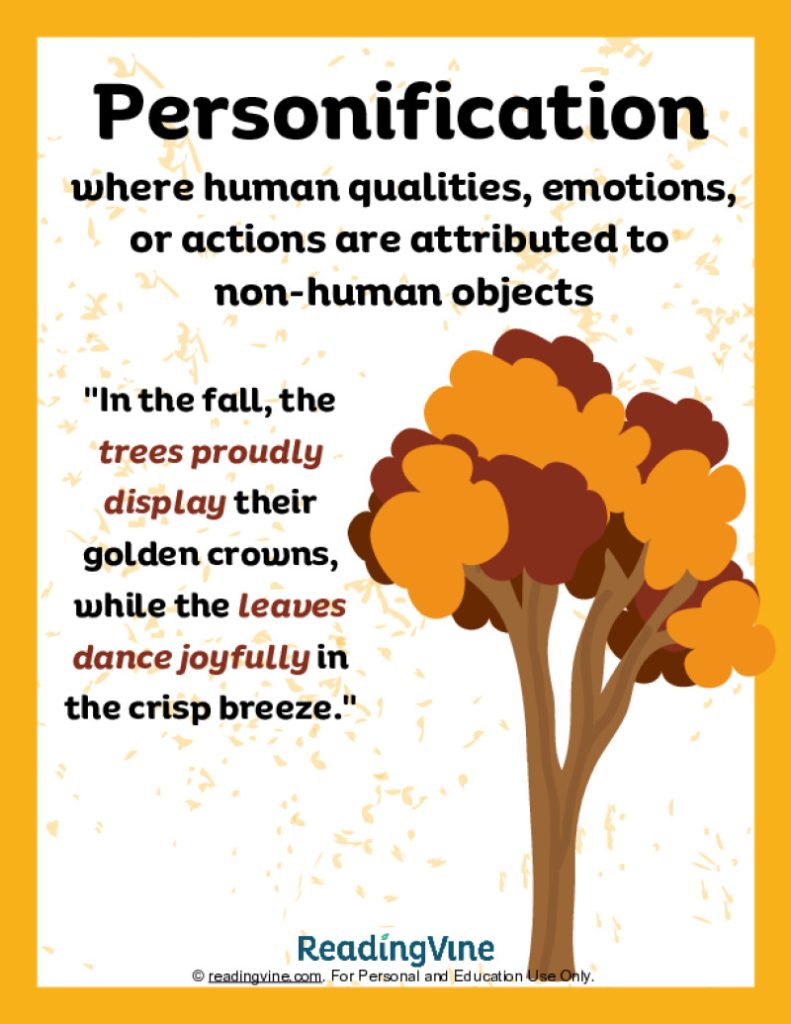
Personification Anchor Chart
A colorful classroom poster defining personification as giving human qualities to non-human objects, featuring an autumn tree example where "trees proudly display" and "leaves dance joyfully."
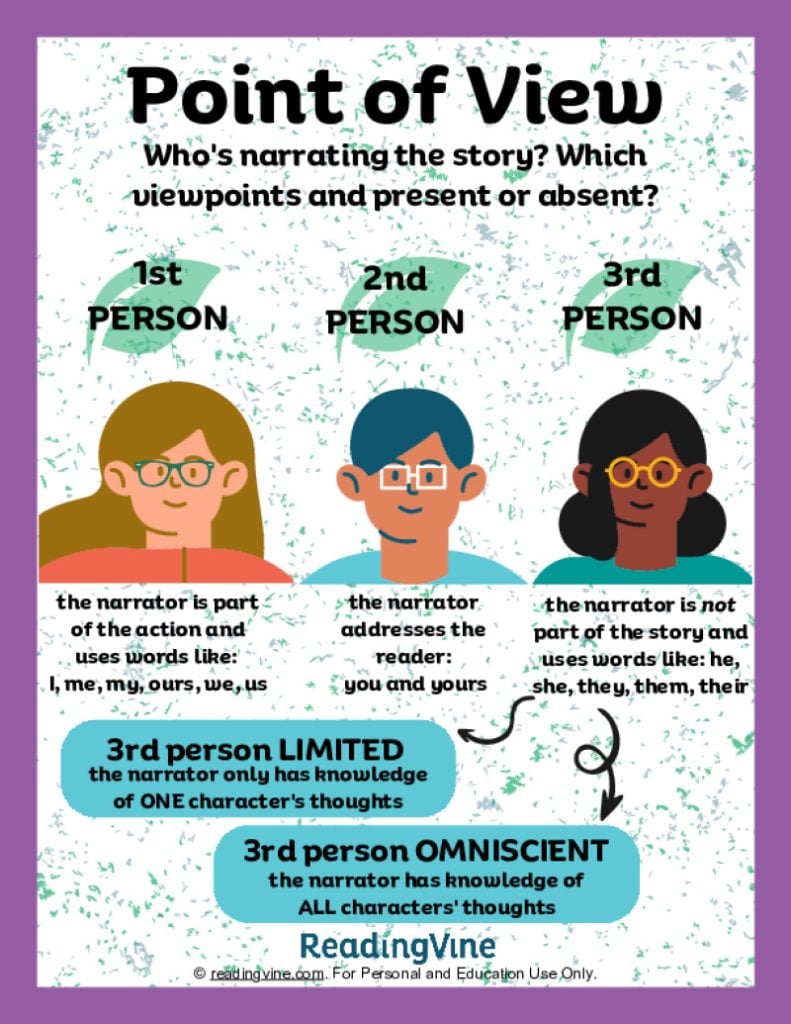
Point of View Anchor Chart - Middle and High School
A detailed classroom poster explaining first, second, and third person point of view, including the distinction between third person limited and third person omniscient narration.
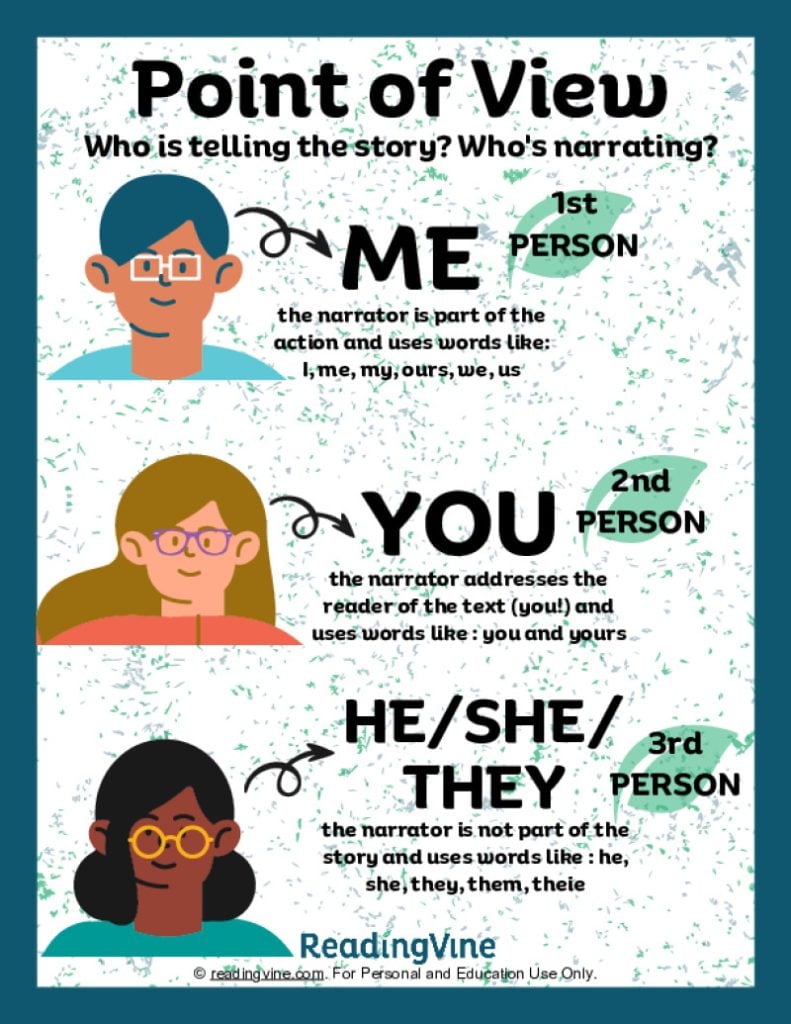
Point of View Anchor Chart - Elementary School
A visual classroom reference explaining first, second, and third person point of view with character illustrations and the pronouns associated with each narrative perspective.

RACE Strategy Anchor Chart
A classroom poster explaining the RACE writing strategy—Restate, Answer, Cite evidence, Explain—for constructing text-based responses with proper evidence integration.

Repetition Anchor Chart
A classroom reference poster defining repetition as a literary device, featuring Langston Hughes' "Dreams" poem as an example of how repeated words create emphasis and feeling.

Rhetorical Analysis Anchor Chart
A reference poster introducing rhetorical analysis as examining how speakers and writers use techniques to impact audiences, listing key analysis points: purpose, audience, topic, speaker, context, medium, and tone.
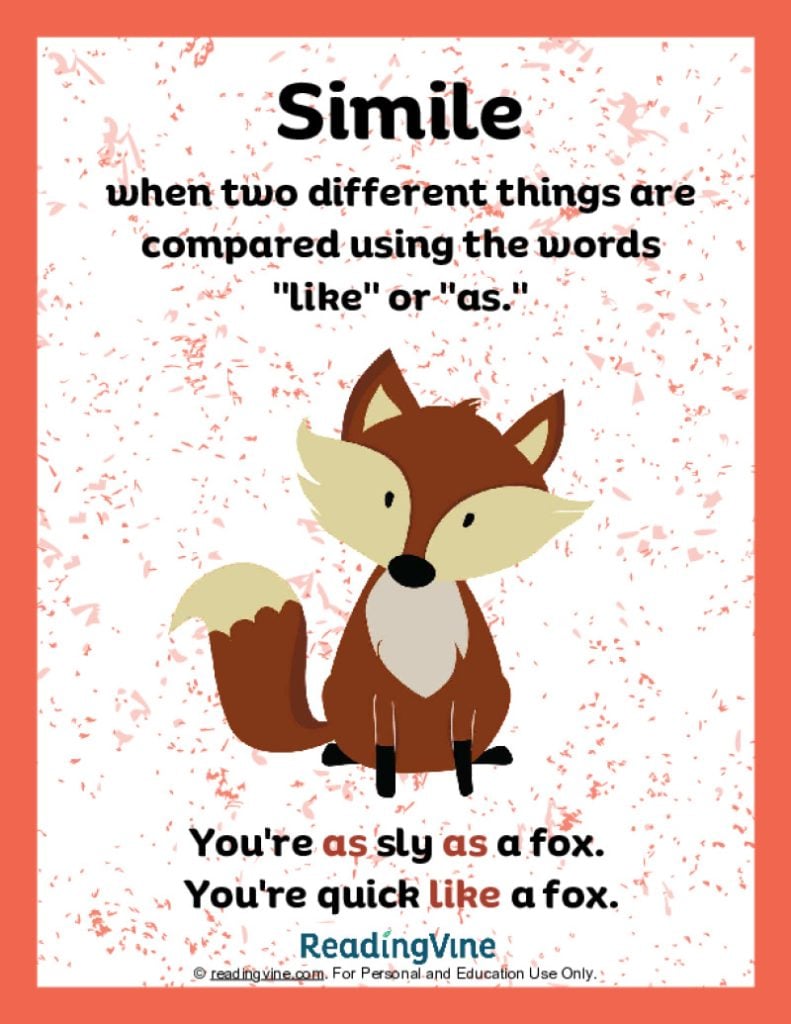
Simile Anchor Chart
A colorful classroom poster defining simile as a comparison using "like" or "as," with a friendly fox illustration and examples like "sly as a fox" and "quick like a fox."

Slant Rhyme Anchor Chart
Slant rhyme occurs when words sound similar but are not exactly the same, creating subtle sound echoes rather than perfect rhyme in poetic lines.
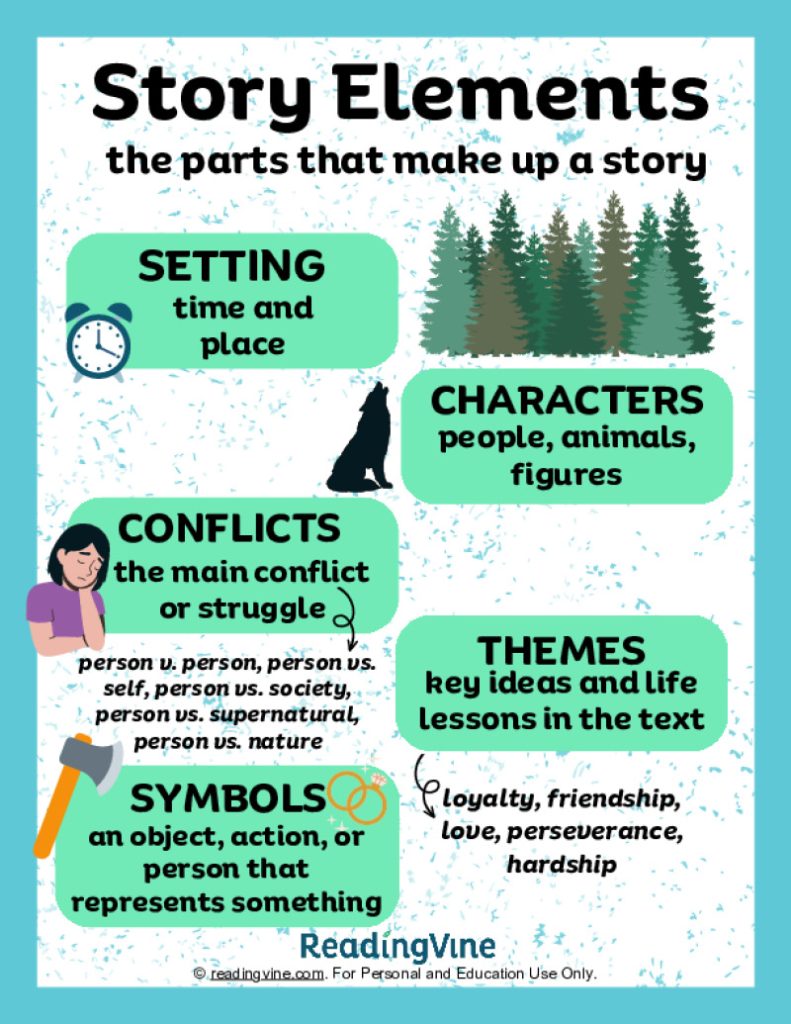
Story Elements Anchor Chart - Middle and High School
A comprehensive classroom poster covering story elements—setting, characters, conflicts, symbols, and themes—with conflict types and theme examples for literary analysis.

Story Elements Anchor Chart - Elementary
A classroom poster introducing basic story elements—setting, characters, problem, events, and resolution—with simple definitions and icons for young readers.
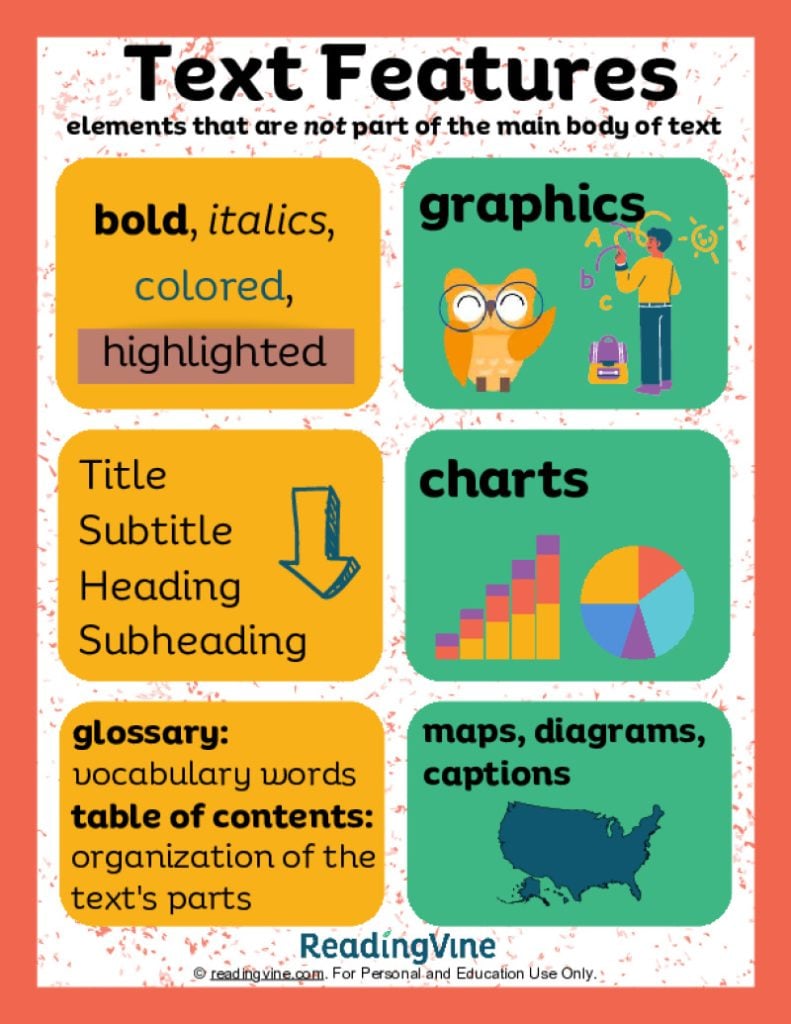
Text Features Anchor Chart
A colorful reference poster identifying nonfiction text features—bold and italic text, graphics, titles and headings, charts, glossaries, table of contents, maps, diagrams, and captions.

Text Structure Anchor Chart
A visual reference introducing five informational text structures—description, cause and effect, sequence and order, problem and solution, and compare and contrast—with icons and brief definitions.

Theme Anchor Chart
A colorful poster defining theme as a text's central message or idea, featuring common theme examples like love, courage, good vs. evil, betrayal, family, nature, and self-discovery.
How to Use Anchor Charts in Your Classroom
Anchor charts work best when they’re active teaching tools rather than just wall decorations. Here are practical ways to get the most from these resources:
- Display at eye level. Post charts where students can actually see and reference them during independent work. The best anchor chart is one students use without being reminded.
- Introduce one at a time. When teaching a new concept, reveal the anchor chart as part of your lesson. Walk through each section, discuss the examples, and let students ask questions before it becomes a passive reference.
- Reference during instruction. Point to the chart when the concept comes up naturally. “Remember what we learned about indirect characterization? What does the chart tell us to look for?” This reinforces the habit of using visual references.
- Create mini-versions for notebooks. Let students sketch simplified versions of anchor charts in their reading or writing notebooks. The act of recreating the chart deepens understanding, and they’ll have a portable reference for homework and tests.
- Use for peer discussion. When students work in pairs or small groups, anchor charts give them shared vocabulary. “The chart says flat characters don’t change—does this character change or stay the same?”
- Rotate seasonally. You don’t need every chart up all year. Display what’s relevant to current units, then swap in new charts as your focus shifts. This keeps the walls fresh and the content purposeful.