
 = Partner Site
Bless Me, Ultima Reading Level: A Complete Guide
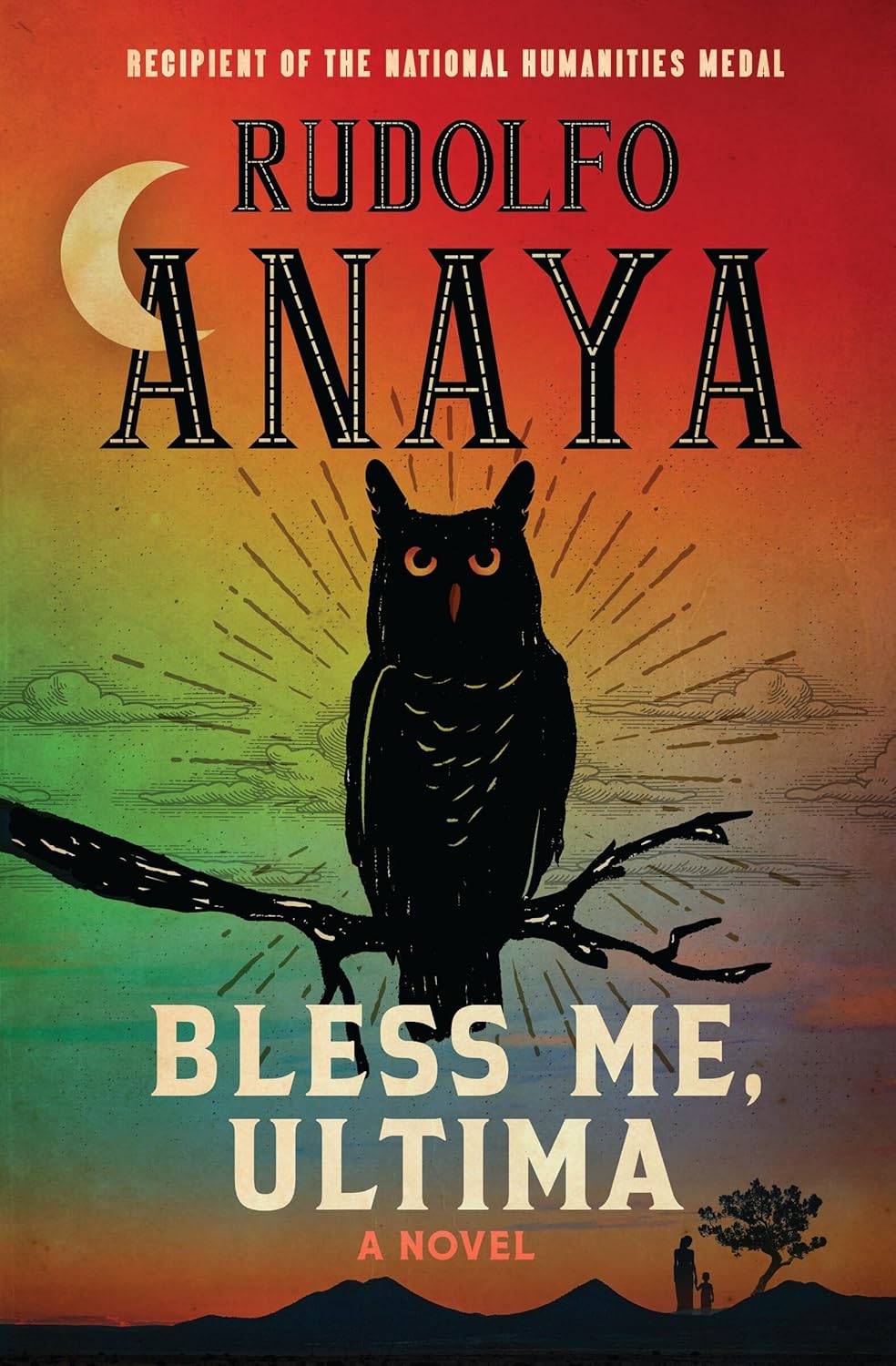
Bless Me, Ultima, written by Rudolfo Anaya and published in 1972 by Quinto Sol Publications, is a coming-of-age novel narrated by Antonio Márez y Luna, who looks back as an adult on the years of his childhood beginning at age seven in the small town of Guadalupe, New Mexico, just after World War II. The novel opens when Antonio’s family takes in Ultima, an elderly curandera — a traditional healer who uses herbs, ritual, and spiritual knowledge — who has known Antonio since his birth. Under Ultima’s guidance, Antonio navigates the conflicts between his parents’ differing visions of his future, encounters with the Catholic Church and indigenous spiritual traditions, the violence of postwar rural New Mexico, and his own growing questions about faith, morality, and identity. Chapters are numbered in Spanish — Uno, Dos, Tres — through the novel’s twenty-two sections. The novel sold more than 300,000 copies in its first twenty-two years primarily through word of mouth, without a review in major media; it has become a foundational text of Chicano literature in English and a fixture of AP Literature and high school curricula across the Southwest and nationally. It has also been a consistently challenged book: it has been on the ALA’s Top 100 Most Frequently Challenged Books list since 1990 and appeared on the ALA Top Ten Most Frequently Challenged Books list in both 2008 and 2013. Anaya received the National Humanities Medal in 2015. This guide covers reading level, age appropriateness, content, the challenge history, themes, and similar books.
For Parents
A coming-of-age novel narrated by a seven-year-old boy in 1940s rural New Mexico, guided by an elderly curandera through questions of faith, identity, and the conflict between Catholic and indigenous spiritual traditions. Ages 14–18, grades 9–12. Content: violence including several deaths depicted directly; a brothel scene; profanity; the novel’s treatment of folk magic and indigenous spiritual practice is the most common basis for challenges. One of the more challenged novels in American curricula — see the challenge history section below. Standard AP Literature and high school text in the Southwest and nationally.
For Teachers
A grades 9–12 Chicano literature and AP Literature text. Lexile 840L; ATOS 5.4; approximately 69,250 words; 22 chapters numbered in Spanish; 225–272 pages depending on edition. Published 1972 by Quinto Sol Publications; currently published by Grand Central Publishing. Premio Quinto Sol Award 1971; National Humanities Medal 2015. On the ALA Top 100 Most Frequently Challenged Books list since 1990. The novel’s blend of Catholicism, indigenous spirituality, and magical realism — and its use of Spanish phrases throughout — are the primary curriculum discussion topics. Film adaptation 2013; opera adaptation premiered 2018.
Bless Me, Ultima at a Glance
Find on Amazon →| Author | Rudolfo Anaya (1937–2020) |
| Published | 1972 (Quinto Sol Publications); currently Grand Central Publishing |
| Grade Level | 9–12 (our assessment); AP Literature |
| Recommended Age | 14–18 |
| Lexile | 840L |
| ATOS Level | 5.4 |
| Word Count | ~69,250 |
| Pages | ~225–272 (editions vary) |
| Chapters | 22 (numbered in Spanish: Uno through Veintidós) |
| Genre | Bildungsroman / magical realism / Chicano literature |
| Setting | Guadalupe, New Mexico; post-World War II, 1940s |
| Awards | Premio Quinto Sol Award (1971); National Humanities Medal (2015); PBS Great American Read |
For official Lexile and AR levels, visit Lexile.com or AR BookFinder. ReadingVine provides independent editorial assessments.
What Reading Level Is Bless Me, Ultima?
Lexile 840L, ATOS 5.4, approximately 69,250 words, interest level grades 9–12. Our assessment: grades 9–12, ages 14–18, most commonly assigned in 10th–12th grade. The Lexile and ATOS reflect accessible prose — Anaya writes in clear, direct sentences — but the novel’s reading challenge includes its cultural and spiritual context: the curandera tradition, the specific landscape and community of postwar rural New Mexico, the blend of Catholic and indigenous spiritual practice, and the Spanish phrases embedded throughout the English narration. Students without that context typically benefit from introductory instruction. For official scores, visit Lexile.com or AR BookFinder.
What Age Is Bless Me, Ultima Appropriate For?
Ages 14–18, grades 9–12. Content worth noting for parents and teachers:
The novel contains several deaths depicted directly, including violent deaths witnessed by Antonio. A scene set in a brothel is the source of many challenge complaints about sexual content; the scene itself is not graphic but involves Antonio’s brothers and the women who work there. Profanity appears throughout. The novel’s treatment of folk magic, curandera practice, and indigenous spiritual traditions alongside Catholicism has been the basis for challenges on grounds of “occult/Satanism” and “religious viewpoint.” These elements are central to the novel’s subject — the conflict between different spiritual frameworks and Antonio’s effort to synthesize them — and are handled seriously rather than sensationally. The novel is most appropriate for grades 9–12 with classroom context.
What Is Bless Me, Ultima About?
Antonio Márez y Luna is six years old when Ultima — known in his household as “La Grande” — comes to live with his family. She is a curandera: a traditional healer who uses knowledge of herbs, ritual, and the spirit world to cure illness and confront evil. She delivered Antonio into the world and has a particular bond with him; she sees in him a potential she does not name directly.
Antonio’s parents hold conflicting visions for his future. His mother, María Luna, comes from a farming family of the river valley and wants Antonio to become a priest, following the tradition of the Luna side of his family. His father, Gabriel Márez, comes from the nomadic vaquero tradition of the llano and wants his sons to be free, unbound by the church or by settled life. This conflict — between the Márez wandering spirit and the Luna rooted spirit — runs through Antonio’s consciousness throughout the novel, along with his growing questions about Catholicism, the indigenous spiritual tradition represented by the Golden Carp, and the nature of good and evil as demonstrated by Ultima’s confrontations with the malevolent Tenorio Trementina and his daughters.
The novel follows Antonio through several years of his childhood — his first day of school, his brothers’ return from World War II and their struggles to adjust, the death of a friend, encounters with the church and its limitations, the healing and exorcism rituals Ultima performs, and the violence that pursues her from enemies who fear her power. The adult Antonio narrates from memory, and the narrative is punctuated by dreams that register his deepest anxieties and spiritual questions.
Ultima and the Curandera Tradition
A curandera (feminine form; curandero is the masculine) is a traditional healer in Mexican and Mexican-American culture who uses a combination of herbal medicine, spiritual practice, prayer, and ritual to treat physical and spiritual illness. The tradition draws on pre-Columbian indigenous knowledge as well as Catholic practice — a synthesis that reflects the cultural history of the region. Curandera practice exists alongside and sometimes in tension with the Catholic Church; in the novel, the priest is unable to perform the exorcisms that Ultima carries out.
Ultima is not presented as a witch — the novel distinguishes carefully between curanderas who use their knowledge for healing and those who use it for harm. The Trementina sisters and their father Tenorio are the novel’s figures of malevolent power; Ultima is their opposite. The challenge labels of “occult/Satanism” applied to the novel reflect a misreading of this distinction that the novel itself makes central.
Structure and Narration
The novel is narrated in the first person by Antonio looking back on his childhood from an adult perspective. The chapters are numbered in Spanish — Uno, Dos, Tres, through Veintidós — giving the novel a formal quality that connects it to its cultural setting. The narrative is interspersed with Antonio’s dreams, which function as a kind of interior landscape: more symbolic and emotionally direct than the waking narrative, the dreams register Antonio’s deepest conflicts about faith, family, and identity. The novel’s use of Spanish words and phrases throughout the English narration — terms for cultural practices, terms of endearment, names and titles — is a deliberate stylistic choice that reflects the bilingual world of the characters.
Is Bless Me, Ultima Banned?
Bless Me, Ultima has been on the ALA’s Top 100 Most Frequently Challenged Books list since 1990. It appeared on the ALA Top Ten Most Frequently Challenged Books list in 2008 and 2013, with stated reasons including “occult/Satanism, offensive language, religious viewpoint, sexually explicit” content and violence. A particularly documented incident occurred in 1981, when the Bloomfield School Board in San Juan County, New Mexico burned copies of the book. In 1996, the novel generated seven hours of public debate in the Round Rock Independent School District in Texas after appearing on advanced placement reading lists. In 2009 a Stanislaus County, California school board banned it from high school classrooms for profanity. It has been challenged in Oklahoma, Texas, New Mexico, California, and other states. It remains in active use in AP Literature and high school curricula nationally.
Bless Me, Ultima Themes and Lessons
The novel’s central argument, developed through Antonio’s growing consciousness across several years of childhood, is that a person does not have to choose between the spiritual and cultural traditions available to them — that synthesis, rather than exclusive choice, is possible. Antonio’s mother wants him to be a priest; his father wants him to be free; Ultima models a third way that draws on everything without being confined to any single framework. The novel suggests that this capacity for synthesis is itself a kind of wisdom.
The conflict between Catholicism and the indigenous spiritual traditions of New Mexico — particularly the tradition of the Golden Carp, a deity of the river — is handled with specificity and without resolution. Antonio asks genuine questions about which framework is true, or whether both can be true simultaneously, and the novel does not answer on his behalf. The priest’s inability to perform what Ultima can perform, and the church’s inability to fully account for the spiritual landscape Antonio inhabits, are presented as observations rather than as condemnations of Catholicism.
Discussion questions: What does Antonio mean when he asks whether good and evil are only in men’s hearts? How does Ultima differ from the Trementina sisters — what distinction does the novel draw between healing and harm? What do Antonio’s dreams reveal that the waking narrative does not? What does the conflict between the Luna and Márez sides of Antonio’s family represent — and how does he eventually relate to it?
Books Similar to Bless Me, Ultima
About Rudolfo Anaya
Rudolfo Alfonso Anaya was born on October 30, 1937, in Pastura, New Mexico, a small village on the eastern plains, and moved with his family to Albuquerque at age fourteen. He attended the University of New Mexico, earning a B.A. in 1963, an M.A. in literature in 1968, and an M.A. in guidance and counseling in 1972. He worked as a public school teacher in Albuquerque for several years before joining the University of New Mexico faculty, where he taught in the English department until his retirement. Bless Me, Ultima was his debut novel, winning the Premio Quinto Sol Award in 1971 before its 1972 publication; it sold hundreds of thousands of copies before receiving significant mainstream attention. His subsequent novels include Heart of Aztlán (1976), Tortuga (1979), and Alburquerque (1992). He was awarded the National Humanities Medal in 2015 by President Barack Obama. A film adaptation of Bless Me, Ultima was released in 2013; an opera adaptation premiered in Albuquerque in 2018. He died on June 28, 2020, in Albuquerque, New Mexico, at age eighty-two.
Bless Me, Ultima: Frequently Asked Questions
What reading level is Bless Me, Ultima?
Lexile 840L, ATOS 5.4, approximately 69,250 words, interest level grades 9–12. Our assessment: grades 9–12, ages 14–18, most commonly 10th–12th grade. Prose is accessible; the reading challenge lies primarily in the cultural and spiritual context of postwar rural New Mexico, including the curandera tradition and the blend of Catholic and indigenous practice. For official scores, visit Lexile.com or AR BookFinder.
What is Bless Me, Ultima about?
Seven-year-old Antonio Márez y Luna in 1940s rural New Mexico is guided by Ultima — an elderly curandera who comes to live with his family — through questions of faith, identity, and the conflict between his parents’ differing visions for his future. The novel follows Antonio across several years of childhood as he navigates Catholicism, indigenous spiritual traditions, family conflict, violence, and his own growing questions about good and evil.
What is a curandera?
A curandera is a traditional healer in Mexican and Mexican-American culture who uses herbal medicine, spiritual practice, prayer, and ritual to treat physical and spiritual illness. The tradition draws on pre-Columbian indigenous knowledge as well as Catholic practice. In the novel, Ultima uses her knowledge to heal illness and perform exorcisms — acts the Catholic priest cannot perform. The novel distinguishes between curanderas who heal and those who use their knowledge for harm.
Why is Bless Me, Ultima banned?
It appeared on the ALA Top Ten Most Frequently Challenged Books list in 2008 and 2013, cited for occult/Satanism, offensive language, religious viewpoint, sexually explicit content, and violence. It has been on the ALA Top 100 Most Frequently Challenged Books list since 1990. The most common challenges concern the novel’s treatment of folk magic and indigenous spiritual practice and a scene set in a brothel. It has been challenged and in some cases removed in school districts in New Mexico, Texas, California, and Oklahoma, among others.
Is Bless Me, Ultima autobiographical?
It is described as semiautobiographical. The Anaya Digital Archive describes it as “the semiautobiographical story of a young boy’s coming-of-age within a cultural tapestry that includes Spanish, Mexican, and Native American influences.” Anaya grew up in rural New Mexico and has spoken about drawing on the landscape, community, and cultural traditions of his own childhood, though Antonio’s specific experiences are fictional.
What grade is Bless Me, Ultima typically assigned?
Most commonly in 10th, 11th, or 12th grade — in American literature, Chicano literature, or AP Literature courses. It is assigned widely in the Southwest and in curricula focused on multicultural American literature nationally. Its content (violence, a brothel scene, folk magic) makes it most appropriate for grades 9–12 with classroom context.