
 = Partner Site
Theme
A theme is the central message or meaning of a literary work. It is usually not stated directly but needs to be inferred by the reader. It is a general conclusion or lesson about human nature or society. An example of a theme might be, “Money can’t buy happiness.” Below you will find reading comprehension passages that can be used for instruction on themes. Check out our theme anchor chart resources too!
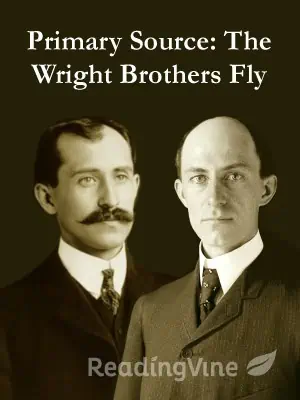
Brothers Orville and Wilbur Wright are credited with building and flying the first powered airplane. The first flights took place December 17, 1903 in North Carolina. Below is an article about the historic moment from The Philadelphia Inquirer, January 7, 1904. ————————— FLYING MACHINE HAS COME AT LAST…

Written right after the American Civil War, Little Women tells the story of the four March sisters. Margaret, know as Meg, is the oldest. Josephine, or Jo, is next, followed by the younger Beth and Amy. Once wealthy, the girls’ father lost his money. Aunt March is the girls’ great-aunt.…

Matteo had come to babysit. “I am too big for a sitter!” Sonja said. “We will have fun,” said Matteo “We will not!” said Sonja. She went to her room. She stayed there for a long time. She did not have any fun. Then, Sonja heard something. It was singing.…

Astrid was only three hundred years old, and therefore, still just a kid when it came to the heavenly bodies in her galaxy. It was quiet out in space, and Astrid’s neighbors were light years away; much too far to be able to have a conversation, let alone become friends.…
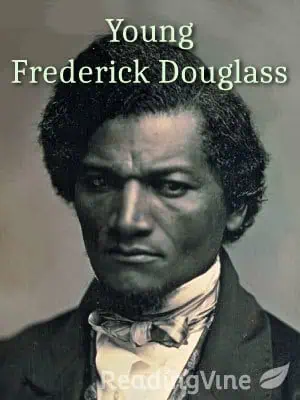
Frederick Douglass (c. 1818-1895) was born into slavery in Maryland. As an adult, he escaped into freedom. He became a writer, orator and advocate for the abolition of slavery. In 1845, 16 years before the start of the Civil War, Douglass published his autobiography, Narrative of the Life of Frederick…
The North went traveling, and after going far and meeting many different tribes he finally fell in love with the daughter of the South and wanted to marry her. The girl was willing, but her parents objected and said, “Ever since you came the weather has been cold, and if…
The fox sped after a rabbit. He dashed across undergrowth and jumped over logs. He raced faster and faster and faster. PLOP. The fox fell into quicksand. “AGHHHHHHHHH!” he screamed. With every movement he made, he went deeper into the muddy sand. Finally, he realized the less he moved the…
This passage is from Act V, Scene 5 of Shakespeare’s tragedy Macbeth. The title character Macbeth is a Scottish general who receives a prophecy that he would one day be King of Scotland. He becomes ambitious and eager to make the prophecy come true. He is encouraged by his wife,…
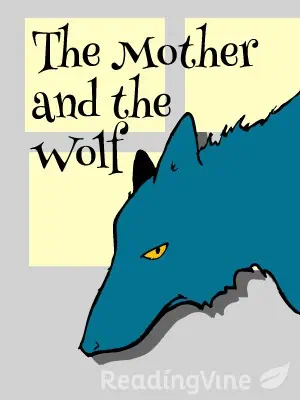
Early one morning a hungry Wolf was prowling around a cottage at the edge of a village, when he heard a child crying in the house. Then he heard the Mother’s voice say: “Hush, child, hush! Stop your crying, or I will give you to the Wolf!” Surprised but delighted…

This poem appears at the base of the Statue of Liberty in New York Harbor. The opening is comparing the statue to the ancient Colossus of Rhodes. ——————————————- Not like the brazen giant of Greek fame, With conquering limbs astride from land to land; Here at our sea-washed, sunset gates…
