
 = Partner Site
Ground Zero Reading Level: A Complete Guide
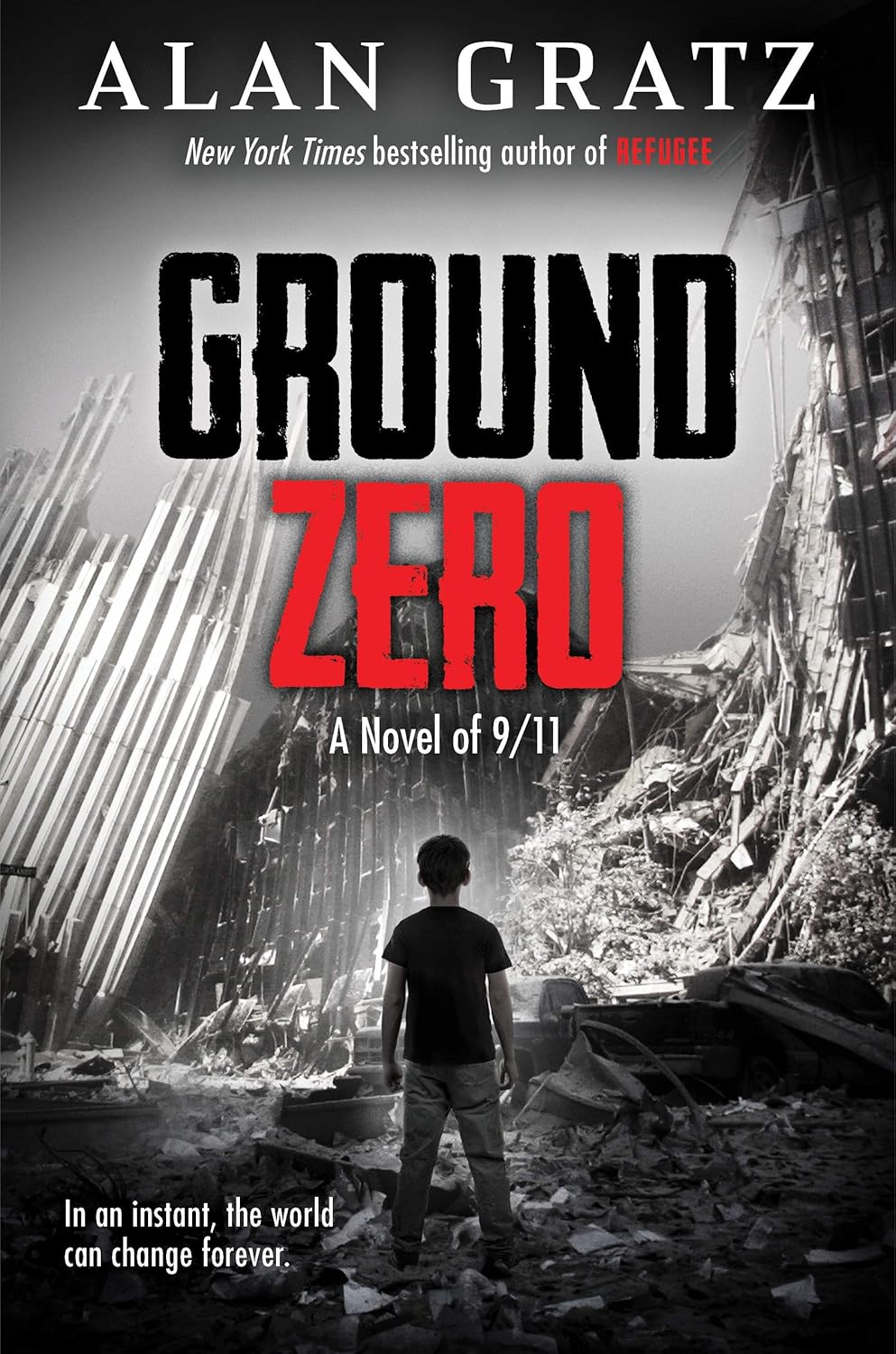
Ground Zero, written by Alan Gratz, is a 336-page historical fiction novel with two alternating protagonists connected by a single devastating day — September 11 — eighteen years apart. Brandon is in the World Trade Center on September 11, 2001, visiting his father at work on the 107th floor when a plane strikes the tower. Reshmina is an Afghan girl living in a village in Afghanistan on September 11, 2019, when a battle erupts outside her door and she discovers a wounded American soldier named Taz. The two stories move forward in alternating chapters until they converge — and until the connection between them becomes clear. Published in 2021 by Scholastic in time for the twentieth anniversary of 9/11, it immediately reached #1 on the New York Times bestseller list. Gratz, who also wrote Refugee, brings the same dual-narrative structure, the same emotional propulsion, and the same commitment to making distant historical events felt in the gut. This guide covers reading level, age appropriateness, content, themes, and similar books.
For Parents
A dual-narrative historical fiction novel — one story set in the World Trade Center on 9/11/2001, one in Afghanistan on 9/11/2019 — that connects the two events through their human costs. Ages 9–13, grades 5–7. Content includes terrorism, war, death of family members, and the realities of the Afghan conflict. Handled with sensitivity but not sanitized. An important book for children born after 9/11.
For Teachers
A grades 5–7 classroom text for 9/11 units and for discussions of the twenty-year war in Afghanistan — one of the few middle-grade novels that gives Afghan civilian perspective equal narrative weight to the American experience. The dual-narrator structure is excellent for teaching how two storylines can illuminate each other. Pairs well with primary sources from both events.
Ground Zero at a Glance
Find on Amazon →| Author | Alan Gratz |
| Published | 2021 (Scholastic Press) |
| Grade Level | 5–7 (our assessment) |
| Recommended Age | 9–13 |
| Lexile | 690L |
| ATOS Level | 4.8 |
| Word Count | 60,520 |
| Pages | 336 |
| Genre | Historical fiction |
| Setting | New York City, September 11, 2001; Afghanistan, September 11, 2019 |
For official Lexile and AR levels, visit Lexile.com or AR BookFinder. ReadingVine provides independent editorial assessments.
What Reading Level Is Ground Zero?
Lexile 690L, ATOS 4.8, interest level grades 4–7. Our assessment: grades 5–7, ages 9–13. The prose is accessible and propulsive — Gratz writes thriller-paced historical fiction and the alternating chapters keep momentum high across 336 pages. The reading challenge is emotional and contextual rather than linguistic: children who have no framework for 9/11 or the Afghan War will need some background; children with context will find the book moves very fast. For official scores, visit Lexile.com or AR BookFinder.
What Age Is Ground Zero Appropriate For?
Ages 9–13, grades 5–7. The content is the subject matter: terrorism, war, civilian casualties, the death of family members, and the generational costs of the Afghan conflict. Scholastic’s own listing notes it “contains language or content that may be considered inappropriate for younger readers.” The violence is war-level — present and real, not gratuitous. Parents reading with children under 10 should preview the material first, particularly if their child has no prior exposure to 9/11 or its context.
What Is Ground Zero About?
Brandon’s story: September 11, 2001. Brandon is a ten-year-old boy visiting his father at work in the World Trade Center — 107th floor. A plane hits the tower above them. Brandon and his father are separated in the chaos, and Brandon must find his way down through a burning, collapsing building. Gratz’s account of Brandon’s escape is moment-by-moment survival fiction grounded in the real geography and sequence of events of that morning.
Reshmina’s story: September 11, 2019. Reshmina is a twelve-year-old Afghan girl in a small village who has grown up entirely in the shadow of the war that America’s response to 9/11 began. She dreams of becoming a teacher. When fighting breaks out in her village, she finds a wounded American soldier named Taz. Helping him means putting her family in mortal danger — from the Taliban, who will punish any collaboration with Americans. Not helping him means letting him die.
The two stories alternate chapters until their connection through Taz becomes clear. The novel’s central argument — that 9/11 created two ground zeros, one in New York and one in Afghanistan — is built into its structure rather than stated.
Ground Zero Themes and Lessons
The book’s structural argument is its most powerful: by giving Reshmina’s story equal weight and equal pages to Brandon’s, Gratz insists that the Afghan civilian experience of the twenty-year war that followed 9/11 is as real and as important as the American experience of the attack that started it. Reshmina has never known a world without this war. She was born into it. The war that Americans experienced as beginning on September 11, 2001 is simply the world she has always lived in — and the novel asks readers to hold both truths simultaneously.
For classrooms using this book around 9/11 anniversaries, the most important discussion is not “what happened on 9/11” but “what happened because of 9/11” — and specifically, what it cost the people of Afghanistan across twenty years of a war that ended as it began, with the Taliban in power.
Discussion questions: Why does Gratz set Reshmina’s story on September 11, 2019 — exactly eighteen years later? What does Reshmina’s story tell us that Brandon’s can’t? What does Taz represent in the connection between the two storylines? What does the title mean — how many ground zeros are there in this book?
Books Similar to Ground Zero
About Alan Gratz
Alan Gratz is the author of more than a dozen novels for children and young adults, including the #1 New York Times bestseller Refugee (2017), Allies (2019, set on D-Day), Ground Zero (2021), and Prisoner B-3087. He is known for rigorously researched historical fiction that moves at thriller speed, told through child protagonists in the middle of major historical events. His dual- and multi-narrator structure — used in both Refugee and Ground Zero — is his most distinctive technique: showing how the same event or the same conflict looks from the inside of different lives. He lives in western North Carolina.
Ground Zero: Frequently Asked Questions
What reading level is Ground Zero?
Lexile 690L, ATOS 4.8. Our assessment: grades 5–7, ages 9–13. The prose is accessible and fast-moving; the challenge is emotional and contextual. Children with no prior exposure to 9/11 or the Afghan War will benefit from background context before reading. For official scores, visit Lexile.com or AR BookFinder.
What is Ground Zero about?
Two stories in alternating chapters: Brandon, a ten-year-old boy escaping the World Trade Center on September 11, 2001; and Reshmina, an Afghan girl who finds a wounded American soldier in her village on September 11, 2019. The two stories converge through the soldier — and through the argument that 9/11 created two ground zeros, one in New York and one in Afghanistan.
Is Ground Zero appropriate for younger readers?
Ages 9–13, grades 5–7. The subject matter — terrorism, war, civilian casualties, family death — is handled with sensitivity but not sanitized. Scholastic notes it “contains language or content that may be considered inappropriate for younger readers.” Parents should preview for children under 10, particularly those with no prior 9/11 context.
How is Ground Zero related to Refugee by the same author?
Both use alternating narrators from different historical contexts to make the same structural argument: that displaced and endangered people’s experiences deserve full narrative attention, not just background context. Refugee covers three refugee crises (1939, 1994, 2015); Ground Zero focuses specifically on 9/11 and the Afghan War. Both are standalone; either can be read first.