
 = Partner Site
Big Nate: In a Class by Himself Reading Level: A Complete Guide
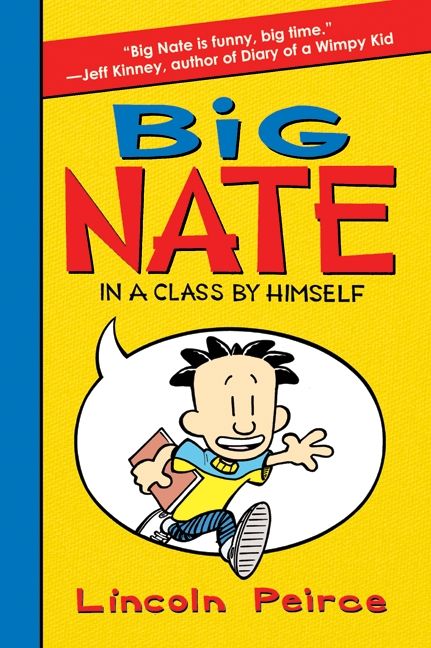
Big Nate: In a Class by Himself by Lincoln Peirce is the first novel in the Big Nate series, following eleven-year-old Nate Wright through a single catastrophic school day that he is convinced will end in glory — because a fortune cookie told him so. A hybrid of illustrated chapter book and comic novel, it is fast, funny, and tailor-made for reluctant readers. This complete guide covers Big Nate: In a Class by Himself‘s reading level, recommended age, content considerations, characters, themes, and books similar to Big Nate: In a Class by Himself, designed for parents, teachers, and students.
For Parents
Reliably entertaining and thoroughly harmless, with broad humor and comic-strip illustrations that make the page count feel manageable. Especially effective with children who resist reading. Best for ages 8–12.
For Teachers
A strong independent reading choice for grades 3–5, particularly for reluctant readers. The hybrid prose-and-comics format lowers visual density without reducing the reading experience. Pairs well with Diary of a Wimpy Kid for a unit on comic novels and unreliable narrators.
Big Nate: In a Class by Himself at a Glance
Find on Amazon →| Author / Illustrator | Lincoln Peirce |
| Published | 2010 |
| Grade Level | 3–5 (our assessment) |
| Recommended Age | 8–12 |
| Flesch-Kincaid Grade | ~3.5 |
| Word Count | ~22,000 |
| Pages | 224 (HarperCollins paperback) |
| Chapters | 13 |
| Genre | Realistic fiction / comic novel |
| Setting | P.S. 38 middle school, contemporary |
| Series | Big Nate, Book 1 |
For official Lexile and AR levels, visit Lexile.com or AR BookFinder. ReadingVine provides independent editorial assessments.
What Reading Level Is Big Nate: In a Class by Himself?
Big Nate: In a Class by Himself reads at approximately a 3rd–5th grade level by our editorial assessment, with a Flesch-Kincaid grade level of around 3.5. The prose is conversational and breezy, Peirce writes in Nate’s voice with immediate energy, and the pages are broken up throughout with comic strips, lists, and drawings that keep the visual density low and the pace brisk. A confident 3rd-grade reader can handle it comfortably, and strong 2nd-graders who enjoy chapter books will too.
The illustrated format means a child who might balk at 224 pages of unbroken prose encounters something much more approachable on the page — the actual prose word count is closer to a 150-page novel. This makes Big Nate particularly effective with reluctant readers in grades 3–5 who need a book that feels manageable and pays off quickly. Nate’s voice is funny from the first paragraph. For official Lexile and AR scores, visit Lexile.com or AR BookFinder. ReadingVine’s assessments are independent editorial judgments.
What Age Is Big Nate: In a Class by Himself Appropriate For?
We recommend Big Nate: In a Class by Himself for readers ages 8–12. There is nothing in the novel that requires a content note — no violence, no profanity, no mature themes. The humor is entirely school-centered: detention, bad grades, a nemesis teacher, a crush, a best friend. Younger readers at the lower end who are strong readers will have no trouble with the content; older readers at the upper end may find it a light read but will still enjoy the humor. It is one of the safest and most reliably funny recommendations in the middle-grade catalog.
What Is Big Nate: In a Class by Himself About?
Nate Wright is eleven years old, P.S. 38’s reigning detention record holder, and absolutely certain he is destined for greatness — just not in school. When a fortune cookie at breakfast tells him he will surpass all others today, Nate takes it as confirmation of what he has always known: this is his day. It does not go as planned. The novel follows him through a single school day that accumulates disasters with cheerful inevitability — a failed test, a run-in with his arch-nemesis Mrs. Godfrey, mishaps with his best friends Francis and Teddy, and a growing collection of detention slips — while Nate remains serenely convinced that glory is still coming.
The comedy comes entirely from the gap between Nate’s self-belief and reality, and Peirce plays it with consistent good humor. Interspersed throughout are Nate’s own comic strips, doodles, and lists. The resolution is genuinely funny and earns the fortune cookie’s promise in a way that is both unexpected and completely right.
Big Nate: In a Class by Himself Characters
Is Big Nate: In a Class by Himself Banned?
Big Nate: In a Class by Himself has not been banned or formally challenged in American schools or libraries. It does not appear on any lists of frequently challenged books and is considered a thoroughly age-appropriate, uncontroversial title.
Big Nate: In a Class by Himself Themes and Lessons
Big Nate does not carry its themes heavily — this is a comedy first. But there is genuine warmth underneath the laughs. Nate’s refusal to be defeated by a bad day, a bad grade, or a bad teacher reads as resilience rather than delusion: he is a kid who keeps going and keeps believing in himself through a day that would flatten a less buoyant personality. Readers who feel the school system is unkind to their particular talents tend to recognize something of themselves in him.
The friendship between Nate, Francis, and Teddy is the book’s warmest element — three kids who simply like each other, show up for each other, and make the bad day better by going through it together. For younger readers especially, this uncomplicated loyalty is the emotional core.
Discussion questions for families: Why does Nate keep believing the fortune cookie even when things keep going wrong? What does Nate think his strengths are — and do you agree? Is Mrs. Godfrey actually unfair, or does Nate just see it that way?
How Many Pages and Chapters in Big Nate: In a Class by Himself?
The HarperCollins paperback is 224 pages across 13 chapters. The word count is approximately 22,000 words of prose — the page count runs higher because a significant portion of each chapter is occupied by comic strips, doodles, and lists. For readers in the target age range, the actual reading experience is closer to a 150-page novel: two to four hours, or a few evenings of comfortable reading. The short chapters and natural visual breaks make it an excellent choice for readers who are still building stamina with longer books.
Books Similar to Big Nate: In a Class by Himself
About Lincoln Peirce
Lincoln Peirce was born in 1963 in Ithaca, New York, and grew up in Durham, New Hampshire — the fictional setting he later used for P.S. 38. He began creating the Big Nate comic strip in 1991; it has since been syndicated in more than 400 newspapers worldwide. The strip ran for nearly two decades before Peirce adapted the character into novel form in 2010.
The Big Nate novel series has sold more than 14 million copies and spawned an animated series on Paramount+ that premiered in 2022. Peirce has said Nate is based in part on his own experiences as a student — which will surprise no one who has read the books. He lives in Portland, Maine.
Big Nate: In a Class by Himself: Frequently Asked Questions
What reading level is Big Nate: In a Class by Himself?
Big Nate: In a Class by Himself has a Flesch-Kincaid grade level of approximately 3.5. Our editorial assessment places it at grades 3–5 (ages 8–12). The illustrated format makes the page count less daunting than it appears and the book is particularly effective with reluctant readers. For official Lexile and AR scores, visit Lexile.com or AR BookFinder.
What grade is Big Nate: In a Class by Himself appropriate for?
We recommend grades 3–5 as the primary range. Strong 2nd-grade readers can handle the text comfortably, and the book remains entertaining through 6th grade. It is a reliable choice any time a child wants something funny and fast-paced without heavy content.
How many pages are in Big Nate: In a Class by Himself?
The HarperCollins paperback is 224 pages across 13 chapters. A significant portion of those pages are comic strips and drawings, so the prose word count — around 22,000 words — reads more like a 150-page novel. Most readers in the target age range finish it in a few sittings.
What is Big Nate: In a Class by Himself about?
Eleven-year-old Nate Wright is convinced a fortune cookie predicting he will “surpass all others” means today is his day for greatness. The novel follows him through a single catastrophically bad school day — detentions, failed tests, and run-ins with his nemesis teacher Mrs. Godfrey — as he waits for the prophecy to come true. It does, just not the way he expected.
Is Big Nate: In a Class by Himself good for a reluctant reader?
Yes — one of the best recommendations in the catalog for reluctant readers in grades 3–5. The illustrated format breaks up the text, the chapters are short, and Nate’s voice is immediately funny. It is also the first in a long series, giving a newly engaged reader a clear next step.
Is Big Nate: In a Class by Himself part of a series?
Yes — the first book in the Big Nate novel series, which currently runs to more than a dozen volumes. Each book is largely self-contained; no book requires having read the previous ones. The series also has a companion line of activity books, comic collections, and an animated series on Paramount+.
How is Big Nate different from Diary of a Wimpy Kid?
Both are illustrated comic novels about a middle-schooler navigating school with more confidence than competence, and the audiences overlap significantly. Diary of a Wimpy Kid leans toward social anxiety and embarrassment humor; Big Nate leans toward cheerful chaos and impervious self-belief. Both are excellent; neither requires having read the other.
Is there a Big Nate TV show?
Yes. An animated series premiered on Paramount+ in 2022, rated TV-Y7 and generally appropriate for the same age range as the books. Fans of the books tend to enjoy it, though some details differ from the source material.