
 = Partner Site
Diary of a Wimpy Kid Reading Level: A Complete Guide
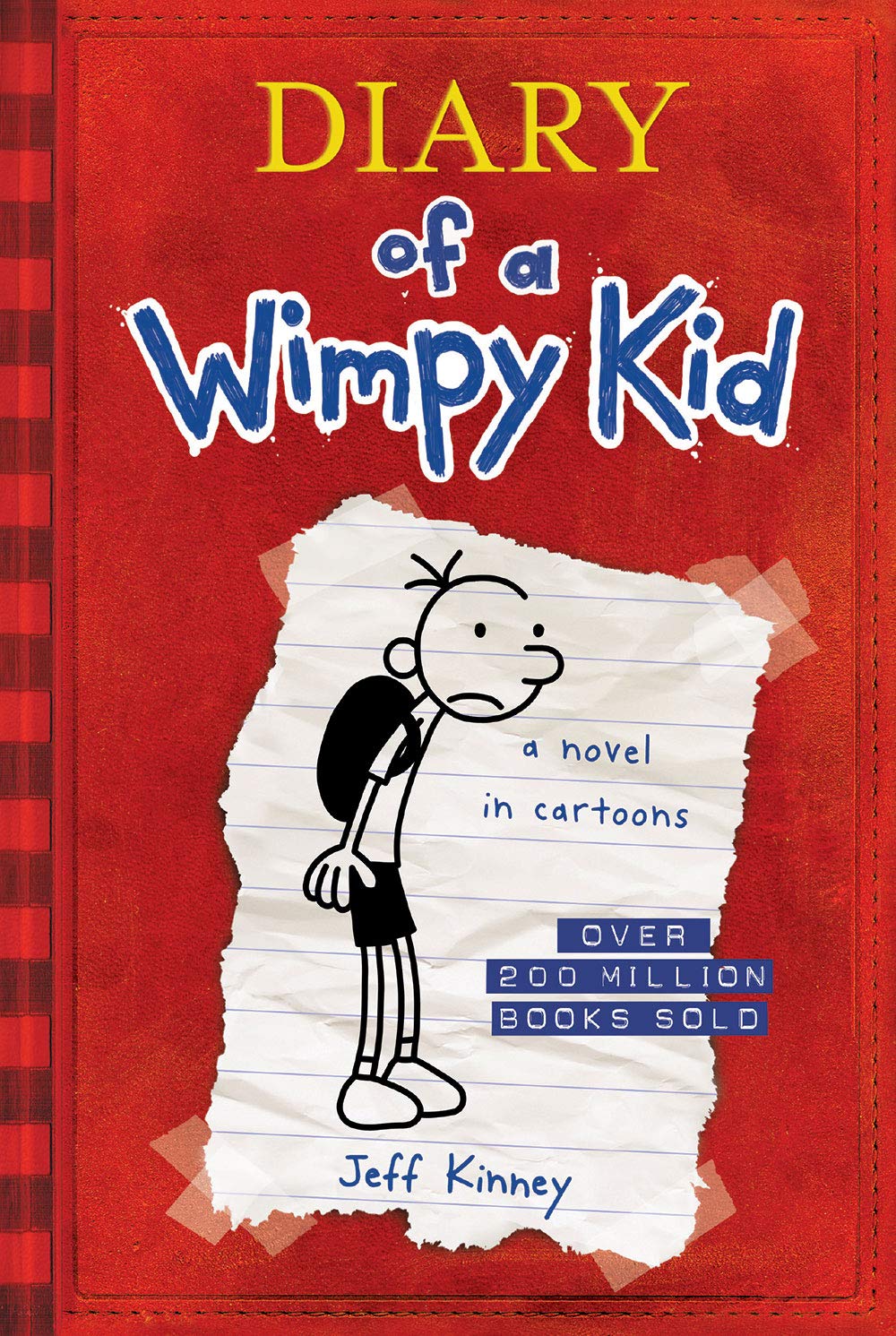
Diary of a Wimpy Kid by Jeff Kinney tells the hilarious story of Greg Heffley, a middle school student navigating the trials of adolescence, friendship, and family life through his illustrated journal. This guide provides parents and teachers with reading level information, age recommendations, content insights, and discussion questions for the first book in this wildly popular series about surviving middle school with humor and honesty.
For Parents
Find the right reading level for your child, understand the book’s themes around friendship and growing up, and get conversation starters to help your child explore questions about peer pressure, honesty, and what it means to be a good friend.
For Teachers
Access grade-level guidance, reading metrics, character analysis support, and thematic discussion questions perfect for classroom use. This modern classic offers rich opportunities for engaging reluctant readers and discussing social dynamics, choices, and consequences.
Diary of a Wimpy Kid at a Glance
Find on Amazon →| Author | Jeff Kinney |
| Illustrator | Jeff Kinney |
| Published | 2007 |
| Grade Level | 3–5 (our assessment) |
| Recommended Age | 8–12 |
| Flesch-Kincaid Grade | 5.2 |
| Word Count | ~19,000 |
| Pages | 217 (hardcover) |
| Format | Illustrated journal with cartoons on every page |
| Genre | Realistic fiction / humor / graphic novel hybrid |
| Setting | Contemporary suburban America, middle school |
| Awards | Multiple state book awards, New York Times bestseller |
For official Lexile and AR levels, visit Lexile.com or AR BookFinder. ReadingVine provides independent editorial assessments.
What Reading Level Is Diary of a Wimpy Kid?
Diary of a Wimpy Kid is appropriate for grades 3–5, with a Flesch-Kincaid grade level of 5.2. The vocabulary is contemporary and conversational, matching how middle schoolers actually talk. The sentence structure is simple and straightforward, making the text accessible even to reluctant readers. However, the book’s unique format—combining text with cartoon illustrations on every page—makes it feel easier than the grade level suggests, which is part of its appeal to struggling readers.
Kinney writes in Greg’s authentic voice—self-centered, somewhat oblivious, and hilariously honest about his own flaws. The diary format creates intimacy, as readers feel like they’re reading Greg’s private thoughts. The humor comes from the gap between how Greg sees himself (clever, misunderstood, destined for greatness) and how readers see him (often selfish, sometimes cowardly, frequently making bad choices). The cartoons illustrate Greg’s stories and add visual humor that supports the text.
While the reading level is comfortable for third graders, the book resonates most with readers ages 8–12 who are experiencing or about to experience the social dynamics of middle school—popularity hierarchies, changing friendships, peer pressure, and the general awkwardness of early adolescence. It’s particularly beloved by reluctant readers because the illustrations break up the text, the humor keeps them engaged, and the short diary-entry format makes it feel less intimidating than traditional chapter books.
What Age Is Diary of a Wimpy Kid Appropriate For?
Diary of a Wimpy Kid is most appropriate for readers ages 8–12. The story deals with typical middle school situations—bullying, peer pressure, social hierarchies, and family conflicts—but handles them with humor rather than darkness. Greg makes questionable moral choices throughout, which creates opportunities for discussing ethics, friendship, and consequences, but nothing is inappropriate or too mature for upper elementary readers.
Questionable protagonist behavior: Greg is often selfish, manipulative, and a bad friend. He lies, blames others for his mistakes, and prioritizes popularity over loyalty. While funny, his behavior isn’t admirable and warrants discussion.
Bullying and social cruelty: The book depicts realistic middle school bullying, including physical intimidation (older kids), social exclusion, and the “Cheese Touch” game that ostracizes kids. Nothing is graphic but the cruelty is present.
Bathroom humor: Typical middle school gross-out humor including references to farting, boogers, and other bodily functions. It’s juvenile but not inappropriate.
Mild language: Words like “stupid,” “moron,” “idiot,” and “shut up.” No profanity but the casual insults may concern some parents.
Bad role modeling: Greg frequently makes poor choices and doesn’t always face appropriate consequences. Parents may want to discuss that Greg’s behavior isn’t meant to be emulated.
Sibling conflict: Greg and his older brother Rodrick have a contentious relationship with pranks and meanness that goes beyond typical sibling rivalry.
What’s NOT in the book: No violence beyond schoolyard scuffles, no sexual content, no profanity, no truly dark or traumatic content. The humor is juvenile but innocent. Greg’s bad behavior is presented honestly—the book doesn’t pretend he’s a hero, and readers can see his flaws clearly. The book works well for prompting discussions about friendship, honesty, and treating people with respect.
What Is Diary of a Wimpy Kid About?
Greg Heffley is starting middle school, and his mother gives him a journal to record his experiences. Greg insists it’s NOT a diary (that’s for girls)—it’s a journal. He’s convinced that one day he’ll be rich and famous, and this journal will be valuable evidence of his early genius. Greg has big plans to become popular and cool in middle school, but reality doesn’t cooperate.
Greg’s main problem is his best friend, Rowley Jefferson. Rowley is immature, naive, and completely uncool. He plays with action figures, says “zoo-wee mama!” when excited, and doesn’t understand social hierarchies at all. Greg is constantly embarrassed by Rowley but also depends on him because Rowley is basically his only friend. Throughout the book, Greg tries to manage Rowley—teaching him how to be cool, protecting him from social mistakes, and occasionally throwing him under the bus to save his own reputation.
The social landscape of middle school is treacherous. There’s the Cheese Touch—a piece of moldy cheese on the basketball court that’s become a curse. Whoever touches it gets the Cheese Touch and is essentially socially radioactive until they pass it to someone else. The Cheese Touch represents the arbitrary cruelty of middle school social dynamics where one mistake can make you an outcast. Greg is desperate to avoid the Cheese Touch and stay within acceptable social boundaries.
Greg also deals with his family. His older brother Rodrick is a high school student in a terrible band called Löded Diper who takes pleasure in tormenting Greg. His little brother Manny is spoiled and gets away with everything. His dad is practical and frequently disappointed in Greg’s lack of toughness or work ethic. His mom is well-meaning but often embarrassing, trying to get Greg involved in activities he finds humiliating.
Throughout the school year, Greg gets into a series of misadventures. He tries out for the school play to meet girls but ends up as a tree in the background. He joins the Safety Patrol to get out of P.E., only to discover that many students see Safety Patrol members as uncool and that they can become targets for teasing by older kids. He tries to become the class clown but gets in trouble when teachers don’t find him funny. He even attempts to start a band to compete with Rodrick but can’t get it together.
Greg’s relationship with Rowley becomes increasingly strained. Greg is embarrassed by Rowley’s immaturity and tries to make him cooler. When they start a lawn service together called “V.I.P. Lawn Service,” Greg bosses Rowley around and takes credit for work Rowley does. When older teenagers chase them, Greg abandons Rowley to save himself. Despite treating Rowley badly, Greg expects Rowley to remain loyal.
The friendship reaches a breaking point during the Safety Patrol incident. Greg and Rowley are on Safety Patrol together. When kids are misbehaving during a rainy day, Rowley tries to control them and accidentally bumps a kindergartener, causing him to scrape his knee on the pavement. The kid’s mom complains, and the Safety Patrol program is nearly shut down. The whole school blames the Safety Patrols, and specifically Rowley. Greg, who was actually there and could defend Rowley, stays silent to protect his own reputation.
Later, the older teenagers who have been terrorizing the Safety Patrols corner Greg and Rowley. They force Rowley to eat the Cheese—the ultimate humiliation. Greg watches this happen but doesn’t help. However, when the bullies turn on Greg next, Greg lies and claims he already has the Cheese Touch, which he got from touching the cheese ages ago. This lie saves them both but means Greg now “has” the Cheese Touch as far as the school is concerned.
The book ends with Greg and Rowley’s friendship damaged but intact. Greg lies and claims he already has the Cheese Touch, which saves both of them from further humiliation. It’s not a heroic moment—more a self-protective decision that happens to help Rowley too. Greg is still fundamentally self-centered and hasn’t learned huge lessons, but there’s a glimmer of genuine friendship and loyalty beneath his shallow concerns about popularity.
The ending also includes the school play disaster where Greg accidentally gets a laugh during the serious climax, embarrassing himself in front of the whole school. Greg’s year doesn’t end with triumph or social success—it ends with awkwardness, embarrassment, and the same social struggles he started with. But he’s survived middle school for another year, and Rowley is still his friend despite everything.
Diary of a Wimpy Kid Characters
Diary of a Wimpy Kid Themes and Lessons
At its heart, Diary of a Wimpy Kid explores the tension between who you are and who you want to be seen as. Greg is obsessed with his image and popularity, constantly trying to appear cooler, tougher, or more impressive than he actually is. Meanwhile, Rowley is completely authentic—he doesn’t pretend to be anything he’s not, which makes him uncool but also genuinely likable. The book shows that caring too much about image leads Greg to make bad choices—lying, betraying friends, avoiding responsibility—while Rowley’s authenticity, though socially costly, maintains his integrity and ultimately earns respect.
The book also honestly portrays the moral ambiguity of middle school social dynamics. Greg isn’t a villain, but he’s not a hero either—he’s a realistic middle schooler who makes selfish choices, rationalizes bad behavior, and doesn’t always face consequences. This creates opportunities for readers to think critically about friendship and ethics. When Greg abandons Rowley to the teenagers, was that okay because he was scared? When he stays silent while Rowley is blamed, was that smart self-preservation or cowardly betrayal? The book doesn’t spell out the answers, trusting readers to evaluate Greg’s choices themselves.
Discussion questions for families:
- Is Greg a good friend to Rowley? What are examples of when Greg is a bad friend? Why does Rowley stay friends with Greg?
- Greg cares a lot about being popular and cool. Does caring about popularity make him happier or less happy? What does the book suggest about popularity?
- What is the Cheese Touch, and what does it represent? Have you seen similar things happen at your school?
- At the end, Greg claims he has the Cheese Touch to protect himself and Rowley. Was this brave or selfish? Why?
How Many Pages and Chapters in Diary of a Wimpy Kid?
Diary of a Wimpy Kid has 217 pages in the hardcover edition and is divided into monthly sections (September through June) rather than traditional numbered chapters. However, every page includes cartoon illustrations, and the actual word count is only approximately 19,000 words—much shorter than a typical 200+ page novel. The illustrated format means readers can finish it much faster than the page count suggests.
For independent readers in the target age range (8–12), the book typically takes 2–3 hours to complete, or about one week of reading 20–30 minutes per day. The combination of illustrations, short diary entries, and humor makes it a very quick read. Many readers finish it in one or two sittings. This quick-read quality is part of why it’s so beloved by reluctant readers—it provides a sense of accomplishment without requiring the stamina needed for longer chapter books.
As a read-aloud, Diary of a Wimpy Kid takes approximately 2–2.5 hours total. The book works well as a read-aloud for younger students (first through third grade) who can enjoy the humor even if they’re not ready to read it independently. The illustrations can be shown to listeners, and Greg’s voice is fun to perform. However, parents and teachers should be prepared to discuss Greg’s questionable behavior and help younger listeners understand that Greg’s choices aren’t meant to be emulated.
Books Similar to Diary of a Wimpy Kid
If your child enjoyed Diary of a Wimpy Kid, here are six similar books that explore themes of friendship, school life, and growing up with humor:
About Jeff Kinney
Jeff Kinney (born 1971) is an American author, cartoonist, and game designer who created one of the most successful children’s book series of all time. Born in Maryland, Kinney studied computer science at the University of Maryland and worked in the tech industry while pursuing his dream of becoming a newspaper cartoonist. The idea for Diary of a Wimpy Kid came to him in 1998 when he began developing the story as an online comic for adults who wanted to remember what middle school was like. He worked on the project for eight years, posting daily installments on FunBrain.com where it became extremely popular with actual middle schoolers rather than the adult audience he’d intended. Publisher Harry Abrams approached Kinney about turning the online comic into a book series. Diary of a Wimpy Kid was published in April 2007 and became an immediate phenomenon. The book’s unique format—combining handwritten text with simple cartoon illustrations—created a hybrid between a novel and a graphic novel that appealed especially to reluctant readers. The authenticity of Greg’s voice and the honest (if unflattering) portrayal of middle school social dynamics resonated with kids who felt their experiences were finally being represented accurately. The series has grown to include 18+ books (and counting), selling over 250 million copies worldwide and being translated into more than 70 languages. The books have spawned animated films, live-action movies, merchandise, and even a Wimpy Kid-themed cruise. Kinney has won numerous awards and appeared on Time magazine’s list of the world’s most influential people. He’s credited with getting millions of reluctant readers excited about books, particularly boys who often struggle to find books that speak to them. Kinney continues to write Wimpy Kid books while also running Poptropica, an online virtual world he created. He’s known for maintaining the series’ quality and authenticity, never talking down to readers and trusting them to understand Greg’s flaws without needing heavy-handed moral lessons. Diary of a Wimpy Kid remains his signature work and a defining book series for millennial and Gen Z childhoods, capturing the universal awkwardness of middle school with humor, honesty, and surprising emotional insight beneath the laughs.
Diary of a Wimpy Kid: Frequently Asked Questions
What grade is Greg Heffley in Diary of a Wimpy Kid?
Greg is in middle school, though the specific grade varies. In the first book, he’s starting what appears to be 6th or 7th grade (the book doesn’t specify exactly, just that it’s his first year of middle school). The ambiguity about specific grade level is intentional—Kinney wanted the books to feel relatable to anyone experiencing middle school, regardless of whether middle school in their district is grades 6–8 or 7–9. Throughout the series, Greg progresses through middle school years, but the focus is always on the universal experiences of that awkward in-between stage rather than specific grade-level academics or milestones.
What is the Cheese Touch in Diary of a Wimpy Kid?
The Cheese Touch is a “curse” that spreads among the students. It started when someone dropped a piece of cheese on the basketball court. The cheese sat there getting moldy and disgusting for months. Eventually, someone touched it, and that person got the “Cheese Touch”—meaning everyone avoided them like they had a contagious disease. The only way to get rid of the Cheese Touch is to pass it to someone else by touching them. It’s essentially a game of tag, but with social ostracism as the consequence. The Cheese Touch represents the arbitrary cruelty of middle school social hierarchies, where something completely meaningless (touching old cheese) can destroy your social status. Near the end of the book, Rowley is forced to eat the Cheese by bullies, and Greg claims he already has the Cheese Touch to save them both, meaning Greg becomes socially “infected” but protects Rowley from further humiliation.
Is Greg Heffley a good person?
Greg is not meant to be a role model—he’s meant to be realistic. He’s selfish, often mean to his best friend Rowley, lies to avoid consequences, and prioritizes popularity over kindness. He’s lazy, manipulative, and frequently makes bad choices. However, he’s also relatable, funny, and occasionally shows glimpses of actual friendship and loyalty (like taking the Cheese Touch to protect Rowley). The book doesn’t pretend Greg is admirable—readers can clearly see his flaws. This honesty is part of the book’s appeal: it acknowledges that middle schoolers are often self-centered and make questionable choices, without either condemning them completely or pretending they’re perfect. Greg is a realistic portrayal of an average kid struggling with middle school pressures, not a hero to emulate. Parents often use the books as springboards for discussions about ethics, friendship, and making better choices than Greg does.
Why is it called Diary of a Wimpy Kid if Greg isn’t wimpy?
The title is somewhat ironic. Greg insists the book isn’t a “diary” (which he associates with girls) but a journal. And while “wimpy” suggests cowardly or weak, Greg doesn’t see himself that way—he sees himself as smart, strategic, and misunderstood. The “wimpy” in the title refers more to Greg’s social status and physical presence than to actual cowardice. He’s not the tough, athletic, traditionally masculine kid. He’s small for his age, not particularly brave, not good at sports, and often avoids physical confrontations. But he’s also clever, funny, and survives middle school through wit rather than strength. The title captures both the reality of how someone like Greg might be perceived (as a “wimpy kid”) and the gap between that perception and Greg’s own inflated self-image. It’s also just a catchy, memorable title that appealed to the target audience.
Is Diary of a Wimpy Kid appropriate for 2nd graders?
Diary of a Wimpy Kid can be read by some advanced 2nd graders, but it’s really best suited for grades 3–5. The reading level (Flesch-Kincaid 5.2) is technically manageable for strong 2nd grade readers, and the illustrations help support comprehension. However, the content—middle school social dynamics, peer pressure, Greg’s questionable moral choices—resonates more with kids who are closer to experiencing those situations themselves. Second graders may not understand the social nuances or why Greg’s behavior is problematic. That said, many parents successfully read it aloud to younger children (including 2nd graders) and use it as an opportunity to discuss friendship, honesty, and making good choices. If reading it with younger kids, parents should be prepared to provide context and help them understand that Greg’s choices aren’t meant to be copied.
How many Diary of a Wimpy Kid books are there?
As of 2024, there are 18 main books in the Diary of a Wimpy Kid series, with more planned. The books follow Greg through different years of middle school and various adventures. The main series includes: Diary of a Wimpy Kid, Rodrick Rules, The Last Straw, Dog Days, The Ugly Truth, Cabin Fever, The Third Wheel, Hard Luck, The Long Haul, Old School, Double Down, The Getaway, The Meltdown, Wrecking Ball, The Deep End, Big Shot, Diper Överlöde, and No Brainer. There are also companion books including The Wimpy Kid Do-It-Yourself Book, The Wimpy Kid Movie Diary, and others. Jeff Kinney continues to write new books in the series, typically releasing one per year. The series has also been adapted into movies and an animated Disney+ series.
What reading level is Diary of a Wimpy Kid?
Diary of a Wimpy Kid is appropriate for grades 3–5 (ages 8–12). The Flesch-Kincaid grade level is 5.2, but the illustrated format and short text blocks make it feel easier and more accessible than a traditional chapter book at that level. The vocabulary is contemporary and conversational. It’s particularly popular with reluctant readers because the illustrations break up the text, the humor is engaging, and the format is less intimidating than dense prose. Strong third graders can read it independently, while it remains engaging for fifth graders. Some advanced second graders can handle it, and it works well as a read-aloud for younger students. The series is often used in schools to engage students who struggle with or resist reading.
What is the main message of Diary of a Wimpy Kid?
Unlike many children’s books, Diary of a Wimpy Kid doesn’t have one clear moral lesson—it’s more about capturing the reality of middle school honestly. If there’s a central theme, it’s that middle school is awkward and difficult, that everyone is trying to figure out who they are and where they fit in, and that image and reality are often very different. The book also explores the tension between authenticity (Rowley) and trying to be someone you’re not (Greg), suggesting that being yourself, while socially costly, maintains your integrity and real friendships. It shows that caring too much about popularity can lead you to make selfish choices that hurt the people who actually care about you. The book doesn’t preach—it trusts readers to see Greg’s flaws and think about friendship, loyalty, and honesty for themselves. Ultimately, it’s about surviving middle school with your sense of humor intact.