
 = Partner Site
I Survived the Sinking of the Titanic Reading Level: A Complete Guide
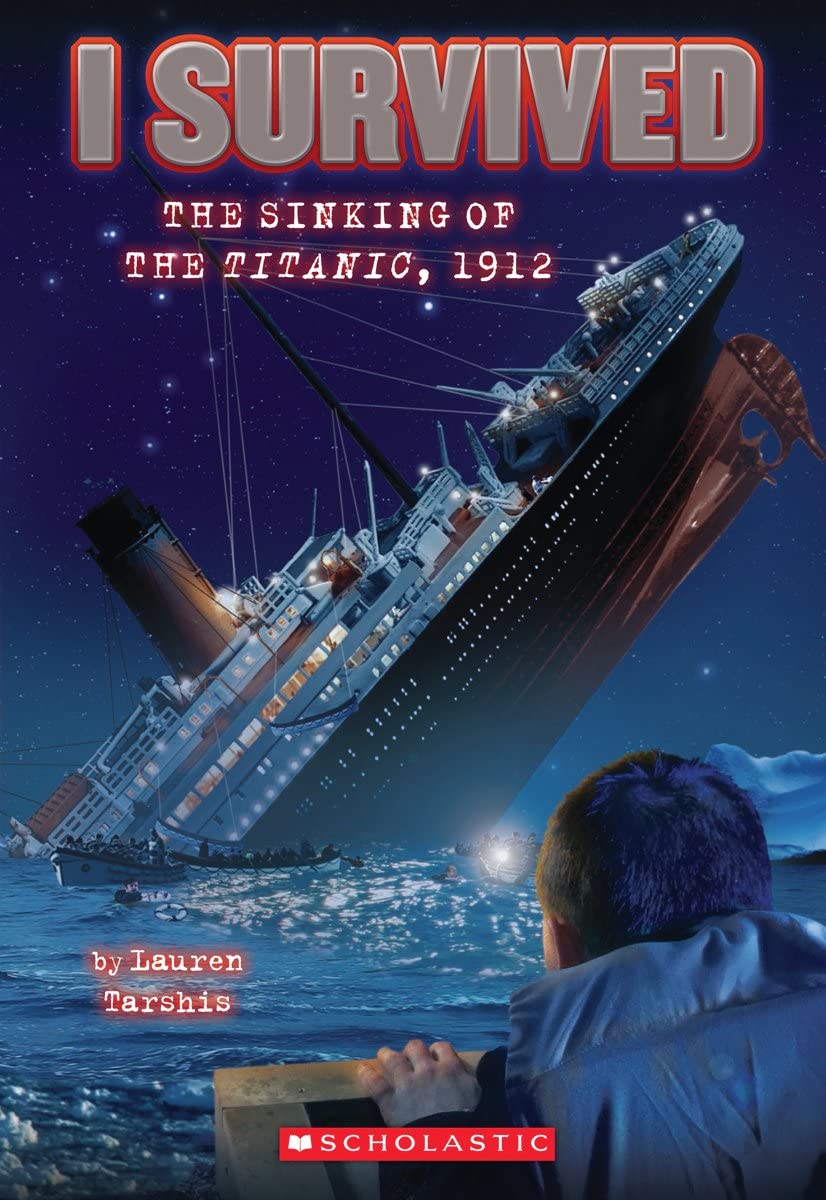
I Survived the Sinking of the Titanic, 1912, written by Lauren Tarshis and illustrated by Scott Dawson, is a 112-page historical fiction novel about ten-year-old George Calder, who is crossing the Atlantic aboard the Titanic with his little sister Phoebe and their Aunt Daisy. While exploring the first-class storage hold, George is trapped below deck when the ship strikes the iceberg. What follows is a moment-by-moment survival story grounded in real details of the disaster. Published in 2010 as the first book in what has become Scholastic’s most successful chapter book series — now spanning more than 25 volumes covering historical disasters from the Chicago Fire to the September 11 attacks — it immediately reached the New York Times bestseller list and has remained a classroom and library staple ever since. Both a prose chapter book and a 2020 graphic novel adaptation are available. This guide covers reading level, age appropriateness, content, themes, and similar books.
For Parents
A fast-paced survival story about a ten-year-old boy on the Titanic — one of the most reliable reluctant-reader chapter books in print, and the gateway to a 25-book series covering major historical disasters. Ages 7–12, grades 2–5. Mild content: the Titanic sinks, people die, George is in genuine danger. No graphic content. Includes back-matter facts about the real disaster.
For Teachers
A grades 2–5 classroom and library staple — the most effective introductory historical fiction chapter book series for reluctant readers in current children’s publishing. Each book in the I Survived series is an entry point to a real historical event; this one pairs naturally with Titanic history units. The graphic novel edition (2020) provides an accessible alternate format for struggling readers.
I Survived the Sinking of the Titanic, 1912 at a Glance
Find on Amazon →| Author | Lauren Tarshis |
| Illustrator | Scott Dawson |
| Published | 2010 (Scholastic Press) |
| Grade Level | 2–5 (our assessment) |
| Recommended Age | 7–12 |
| Lexile | 590L |
| ATOS Level | 3.9 |
| Word Count | 10,437 |
| Pages | 112 |
| Series | I Survived (25+ books) |
| Genre | Historical fiction / survival |
| Setting | RMS Titanic; April 1912 |
| Also Available As | Graphic novel (2020; GN390L, ATOS 2.7) |
For official Lexile and AR levels, visit Lexile.com or AR BookFinder. ReadingVine provides independent editorial assessments.
What Reading Level Is I Survived the Sinking of the Titanic?
I Survived the Sinking of the Titanic has a Lexile of 590L and an ATOS of 3.9 — grades 2–5, interest level grades 2–5. These scores are consistent with a third- to fourth-grade independent reading level. The prose is clear, fast-moving, and entirely focused on immediate action; vocabulary is accessible; sentences are short and punchy. The 10,437-word count makes it comparable in length to My Father’s Dragon (7,682 words) — short enough to read in a sitting or two. The graphic novel edition (590L prose → GN390L, ATOS 2.7) offers an accessible alternative for struggling readers or graphic novel fans. For official scores, visit Lexile.com or AR BookFinder.
What Age Is I Survived the Sinking of the Titanic Appropriate For?
Ages 7–12, grades 2–5. The Titanic sinks and people die — George witnesses adults struggling in icy water and is aware that many do not survive. This is handled with age-appropriate restraint rather than graphic depiction. Common Sense Media rates it appropriate for ages 7 and up. The survival tension is genuine but never traumatizing. Children who are particularly sensitive to disaster or drowning themes should be aware of the subject matter before starting.
What Is I Survived the Sinking of the Titanic About?
Ten-year-old George Calder is on the Titanic with his little sister Phoebe and their Aunt Daisy, who is a journalist. George can’t resist exploring — and while poking around the first-class storage hold, the ship strikes the iceberg. George is trapped below deck as water rushes in. He must find Phoebe and Aunt Daisy, make it to the lifeboats, and survive the North Atlantic — all while the most unsinkable ship ever built sinks around him. The back matter includes real facts about the Titanic disaster, photographs, and historical context that extend the fiction into genuine history education.
The I Survived Series
The I Survived series now spans more than 25 books, each a standalone survival story set during a real historical disaster: the shark attacks of 1916, the Nazi invasion of 1944, Hurricane Katrina, the eruption of Pompeii, the attacks of September 11, the battle of D-Day, and many more. Each follows the same formula — a fictional child protagonist in genuine historical danger, grounded in real facts, with back-matter history at the end — and each works as a standalone regardless of reading order. The series is Scholastic’s most successful chapter book series of the past fifteen years. Graphic novel adaptations of many volumes are available. Once children find one book in the series, they typically read many more; the consistent format and the varied historical settings make them ideal for building reading momentum.
I Survived the Sinking of the Titanic Themes and Lessons
The series’ central argument is embedded in its format: historical disasters become more comprehensible and more emotionally real when approached through the experience of a specific child protagonist. George Calder is not a historical figure, but the Titanic is — and everything that happens to him is grounded in what actually happened on April 14–15, 1912. The class divisions aboard the ship (George is in first class; the back matter addresses the survival rate disparity between classes) are present in the narrative and worth discussing.
Talking with your child: What choices did George make that helped him survive? What do you know about the Titanic now that you didn’t before reading? What does the back matter tell us that the story doesn’t?
Books Similar to I Survived the Sinking of the Titanic
About Lauren Tarshis
Lauren Tarshis is the editor-in-chief of Scholastic Classroom Magazines, which reach approximately 25 million students in the United States, and the creator of the I Survived series. She began the series in 2010 with the Titanic book after observing that children who were reluctant readers would nonetheless devour books about real disasters and survival situations. The series has now sold tens of millions of copies and is one of the most successful children’s chapter book series in the history of American publishing. Each book in the series includes back-matter history sections that she researches carefully, making the fiction a genuine gateway to historical learning. She lives in Connecticut.
I Survived the Sinking of the Titanic: Frequently Asked Questions
What reading level is I Survived the Sinking of the Titanic?
Lexile 590L, ATOS 3.9, interest level grades 2–5. Our assessment: grades 2–5, ages 7–12. The graphic novel edition is GN390L, ATOS 2.7, and provides an accessible alternative format. For official scores, visit Lexile.com or AR BookFinder.
What is I Survived the Sinking of the Titanic about?
Ten-year-old George Calder is exploring the first-class hold of the Titanic when the ship strikes the iceberg. He must find his sister and aunt, escape the flooding ship, and survive the North Atlantic. Grounded in real details of the April 1912 disaster, with back-matter historical facts and photographs.
Is I Survived appropriate for young children?
Ages 7 and up, grades 2–5. People die when the Titanic sinks — handled with restraint rather than graphic depiction. Common Sense Media rates it 7+. Children sensitive to disaster or drowning themes should know the subject matter before starting.
How many I Survived books are there?
More than 25 books, each covering a different historical disaster: the Titanic, the shark attacks of 1916, the Nazi invasion, Hurricane Katrina, September 11, Pompeii, D-Day, and many more. Each stands alone; no required reading order. Graphic novel adaptations of many volumes are also available.
Is I Survived good for reluctant readers?
One of the most effective reluctant-reader chapter book series in current publishing. The short length (about 100 pages), fast pacing, familiar disaster subjects, and consistent format make it exceptionally accessible. Children who finish one book in the series almost universally want more.