
 = Partner Site
James and the Giant Peach Reading Level: A Complete Guide
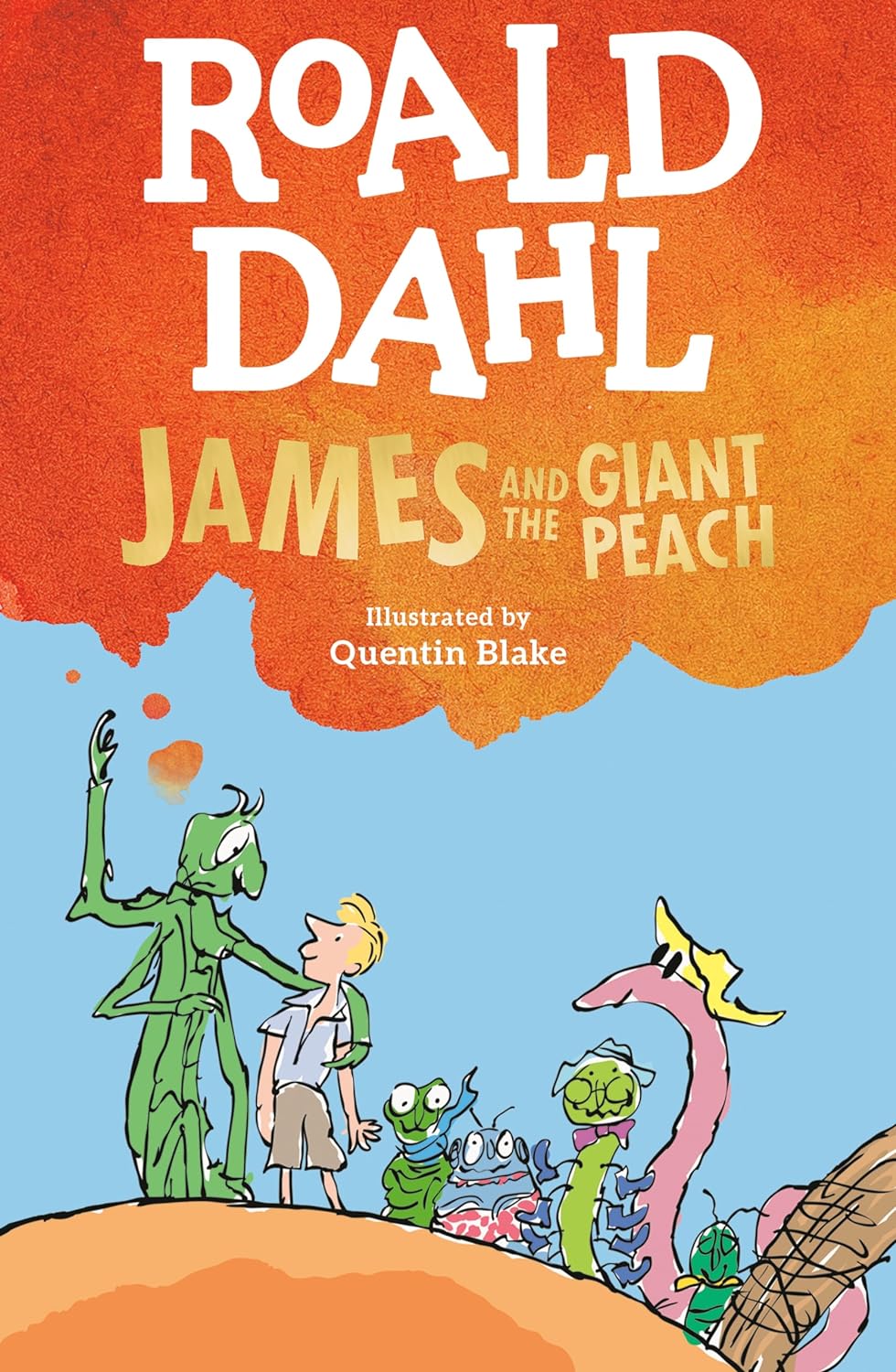
James and the Giant Peach by Roald Dahl tells the magical story of an orphaned boy who escapes his cruel aunts inside a giant, rolling peach with a group of oversized insect friends. This guide provides parents and teachers with reading level information, age recommendations, content insights, and discussion questions for this beloved fantasy classic about courage, friendship, and the power of imagination.
For Parents
Find the right reading level for your child, understand the book’s darker elements balanced with humor and wonder, and get conversation starters to help your child explore themes of resilience, found family, and overcoming adversity.
For Teachers
Access grade-level guidance, reading metrics, character analysis support, and thematic discussion questions perfect for classroom use. This fantasy classic offers rich opportunities for exploring creativity, character development, and Roald Dahl’s distinctive storytelling style.
James and the Giant Peach at a Glance
Find on Amazon →| Author | Roald Dahl |
| Published | 1961 |
| Grade Level | 3–5 (our assessment) |
| Recommended Age | 7–10 |
| Flesch-Kincaid Grade | 4.8 |
| Word Count | ~28,000 |
| Pages | 126 (standard paperback) |
| Chapters | 39 (short chapters) |
| Genre | Children’s fiction / fantasy / adventure |
| Setting | England and across the Atlantic Ocean |
| Awards | Classic (no specific awards, but enduringly popular) |
For official Lexile and AR levels, visit Lexile.com or AR BookFinder. ReadingVine provides independent editorial assessments.
What Reading Level Is James and the Giant Peach?
James and the Giant Peach is appropriate for grades 3–5, with a Flesch-Kincaid grade level of 4.8. The vocabulary is accessible with some challenging words that Dahl uses for creative effect, and the sentence structure varies from simple to complex. The chapters are very short—averaging just 3 pages each—which makes the book less intimidating for younger readers and provides frequent stopping points.
Dahl’s writing style is distinctive, with vivid descriptions, playful language, and sudden shifts from dark to humorous. He doesn’t talk down to children, and he includes some sophisticated vocabulary and imaginative wordplay. The fantastical elements—a giant peach, talking insects, magical adventures—are easy to follow, but readers need to accept the story’s surreal logic and not worry about realistic explanations.
While strong third graders can handle the reading mechanics, the story’s darker opening (James’s parents die, his aunts are cruel) and occasional scary moments make it most suitable for readers ages 7–10 who can handle some frightening content balanced by humor and magic. The book rewards readers who enjoy imaginative, slightly absurd adventures and aren’t put off by Dahl’s characteristic blend of darkness and delight.
What Age Is James and the Giant Peach Appropriate For?
James and the Giant Peach is most appropriate for readers ages 7–10. The story deals with death, cruelty, and some frightening situations, but Dahl balances these with humor, magic, and ultimately a happy ending. The book is darker than many modern children’s books, which is characteristic of Dahl’s style, so parents should consider their child’s sensitivity.
Death of parents: James’s parents are eaten by a rhinoceros that escaped from the zoo (presented matter-of-factly in the opening). This happens before the main story begins but is stated directly.
Child abuse and cruelty: James’s aunts, Aunt Sponge and Aunt Spiker, are cruel to him—they beat him, starve him, make him work constantly, and verbally abuse him. These scenes are disturbing but not graphic.
The aunts’ deaths: Both aunts are killed when the giant peach rolls over them. This is presented with dark humor rather than tragedy, but it is violent.
Scary moments: Cloud-Men attack the peach, sharks circle below it, and there are other moments of peril. These are exciting rather than truly terrifying but may frighten very sensitive readers.
Some gross/dark humor: Dahl includes descriptions of the aunts being squashed, earthworm fears of being eaten, and other elements of his characteristic dark comedy.
What’s NOT in the book: No sexual content, no profanity, no graphic violence. The difficult content is balanced with magic, humor, friendship, and adventure. Dahl treats serious topics (death, abuse) directly but moves quickly to the fantastic adventure that becomes James’s escape and salvation.
What Is James and the Giant Peach About?
Four-year-old James Henry Trotter lives happily with his parents in London until tragedy strikes: a rhinoceros that escaped from the zoo eats both of his parents. James is sent to live with his two horrible aunts, Aunt Sponge and Aunt Spiker, who live on a desolate hill by the sea. The aunts force James to work constantly, beat him, starve him, and never let him have friends or leave the property. James is miserable and lonely, dreaming of escaping to magical places.
One day, a mysterious old man appears and gives James a bag of magical green crystals, promising they’ll bring him wonderful things. But James trips and spills the crystals, and they disappear into the ground beneath an old peach tree. Almost immediately, a peach on the tree begins growing larger and larger until it’s the size of a house. The cruel aunts plan to charge admission for people to see the giant peach, but James discovers a secret tunnel into it.
Inside the peach, James finds an enormous pit and, more remarkably, a group of human-sized insects who have also been transformed by the magic: Old-Green-Grasshopper (wise and musical), Centipede (cocky and rude but brave), Ladybug (kind and maternal), Earthworm (anxious and gloomy), Spider (talented and artistic), Silkworm (quiet and productive), and Glow-worm (provides light). These insects become James’s friends and family.
That night, the Centipede gnaws through the peach’s stem, and it rolls down the hill, squashing Aunt Sponge and Aunt Spiker (much to no one’s regret). The peach rolls into the ocean, where it floats like a boat. The travelers face many dangers: sharks attack from below, but James cleverly uses Spider’s and Silkworm’s silk to tie hundreds of seagulls to the peach, lifting it into the sky to safety.
As they float through the clouds, they encounter Cloud-Men who make weather. The Cloud-Men attack with hailstones, and in the chaos, the Centipede taunts them, leading to a pursuit. James and his friends barely escape. They drift across the Atlantic Ocean, eventually arriving in New York City, where the peach is impaled on the Empire State Building’s spike.
At first, New Yorkers panic at the giant peach and its strange inhabitants, but James explains their adventures and charms everyone. The city celebrates the travelers as heroes. The peach pit is placed in Central Park as a monument, and James lives inside it happily ever after. Each of his insect friends finds success in New York (Centipede works in advertising, Ladybug marries the Head of the Fire Department, etc.), but they all remain close, visiting James regularly. James, who started as a lonely, abused orphan, ends the story surrounded by friends and living in wonder—inside the magical peach that saved him.
James and the Giant Peach Characters
James and the Giant Peach Themes and Lessons
At its heart, James and the Giant Peach is about finding family and home where you least expect it. James loses his biological parents and suffers under cruel relatives, but inside the peach, he discovers something better: friends who love him, protect him, and create a real family. The insects are outcasts too—they’re different, strange, and don’t fit in the normal world—which makes them perfect companions for James. The book teaches that family isn’t always about blood; it’s about who cares for you and stands by you.
The story also celebrates courage and cleverness in the face of adversity. James doesn’t just escape his terrible situation through luck—he actively solves problems, thinks creatively (using silk and seagulls to lift the peach), and shows leadership. Each character contributes their unique abilities to overcome obstacles, teaching readers that everyone has value and that working together makes you stronger than facing challenges alone.
Discussion questions for families:
- How does James change from the beginning to the end of the story? What makes him braver?
- Each insect has different personality traits and abilities. How do they work together as a team?
- The book starts very sadly with James losing his parents. How does Dahl balance the sad and scary parts with the magical and funny parts?
- What makes the insects and James a real family, even though they’re not related?
How Many Pages and Chapters in James and the Giant Peach?
James and the Giant Peach has 126 pages in the standard paperback edition and is divided into 39 chapters. The word count is approximately 28,000 words, making it a relatively short novel perfect for younger readers. The chapters are very short—averaging just 3 pages each—which makes the book feel fast-paced and provides natural stopping points for young readers or read-aloud sessions.
For independent readers in the target age range (7–10), the book typically takes 3–4 hours to complete, or about a week of reading 30 minutes per day. The short chapters and exciting adventure keep readers engaged, and many children find it difficult to put down once the peach starts rolling and the real adventure begins.
As a read-aloud, James and the Giant Peach takes approximately 2.5–3 hours total. The brief chapters make it ideal for bedtime reading—you can easily read 2–3 chapters in one sitting (about 10 minutes). The fantastical elements and Dahl’s humor make it entertaining for both children and adults. Many families find this is an excellent first chapter book for reading aloud together because it’s engaging without being overwhelming.
Books Similar to James and the Giant Peach
If your child enjoyed James and the Giant Peach, here are six similar books that explore themes of magic, adventure, and finding where you belong:
About Roald Dahl
Roald Dahl (1916–1990) was a British author who became one of the world’s most beloved children’s writers, known for his darkly humorous stories that never talked down to young readers. Born in Wales to Norwegian parents, Dahl had a difficult childhood marked by the death of his sister and father, and he attended harsh boarding schools—experiences that influenced his stories about children suffering under cruel adults. During World War II, he was a Royal Air Force pilot and was seriously injured in a plane crash. James and the Giant Peach, published in 1961, was Dahl’s first major children’s book and established his signature style: fantastical adventures, wicked humor, terrible adults, and clever children who triumph through courage and wit. Dahl went on to write numerous classics including Charlie and the Chocolate Factory, Matilda, The BFG, and The Witches. His books have sold over 250 million copies worldwide and continue to captivate children with their perfect blend of darkness and delight, terror and humor, cruelty and kindness. Dahl believed children could handle scary, sad, and unfair things in stories as long as the good characters ultimately triumphed. His distinctive voice—irreverent, imaginative, and uncompromisingly honest about both the darkness and magic in the world—has made him one of the most enduring and influential children’s authors of all time.
James and the Giant Peach: Frequently Asked Questions
How did James’s parents die?
James’s parents were eaten by a rhinoceros that escaped from the London Zoo. This happens at the very beginning of the book, before the main story starts. Dahl presents this shocking death matter-of-factly, which is characteristic of his dark humor. While it sounds absurd and frightening, Dahl moves quickly past it to focus on James’s new life with his aunts and then his magical adventure. The rhinoceros death is so fantastical and briefly mentioned that most children don’t find it as disturbing as a more realistic death would be.
What happens to the aunts in James and the Giant Peach?
Aunt Sponge and Aunt Spiker are killed when the giant peach rolls down the hill and squashes them flat. This happens early in the book, just as James’s adventure is beginning. Dahl presents their deaths with dark humor rather than tragedy—they were cruel and terrible to James, and their deaths free him to have his adventure. While this is violent, it’s treated with Dahl’s characteristic dark humor rather than graphic detail. The aunts simply disappear from the story, and no one mourns them. This reflects Dahl’s theme that bad people get what they deserve.
Is James and the Giant Peach too scary for kids?
Whether James and the Giant Peach is too scary depends on the child’s age and sensitivity. The book includes some frightening elements: James’s parents die, his aunts are cruel, the aunts are killed, there are sharks and Cloud-Men that attack, and there are moments of peril. However, Dahl balances these scary moments with humor, magic, and friendship. The overall tone is adventurous and hopeful, not terrifying. Most children ages 7–10 handle the scary parts well, especially when reading with a parent who can provide reassurance. Very sensitive children under 7 might find the beginning too upsetting, while older children typically enjoy the darker elements as part of the story’s excitement.
Why does the peach grow so large?
The peach grows enormous because of magical green crystals that an old man gives to James. The man tells James that if he drinks the crystals mixed with water, wonderful things will happen to him. But James trips and drops the bag, spilling all the crystals on the ground beneath the old peach tree. The magic seeps into the earth and causes a single peach to grow to enormous size—as big as a house. The same magic also transforms several ordinary insects into human-sized creatures who become James’s friends. Dahl never explains where the magic comes from or how it works; it’s simply presented as mysterious and wonderful, which is typical of his fantastical storytelling style.
What are the Cloud-Men in James and the Giant Peach?
The Cloud-Men are mysterious giant creatures who live in the clouds and create weather. When James and his friends float up to the clouds on the peach, they discover the Cloud-Men making hailstones, shoveling snow, creating rainbows, and stirring up storms. The Cloud-Men are initially curious but become hostile when the Centipede insults them and kicks some of their hailstones overboard. They chase the peach and attack it, making the journey more dangerous. The Cloud-Men represent the wild, unpredictable forces of nature—they’re not exactly evil, but they’re not friendly either, and they don’t like trespassers in their cloud kingdom. Dahl never fully explains what they are; they’re simply part of the magical world James discovers.
Where does James end up at the end of the book?
James ends up in New York City, where he lives happily inside the giant peach pit in Central Park. After the peach is impaled on the Empire State Building, James and his insect friends become celebrities. The city gives James the peach pit as a home, and it becomes a popular attraction where children come to visit and hear James tell stories of his adventures. Each of his insect friends finds success in New York—Centipede becomes a Vice President of a boot company, Ladybug marries the Head of the Fire Department, Old-Green-Grasshopper performs in the New York Symphony Orchestra, and so on. But they all stay close and visit James regularly. James goes from being a lonely, abused orphan to living surrounded by friends and wonder.
Is James and the Giant Peach appropriate for 2nd grade?
James and the Giant Peach can be appropriate for mature second graders, though it’s more commonly read in third through fifth grade. The reading level (4.8 Flesch-Kincaid) is slightly above typical second grade level, but the short chapters and exciting story make it accessible to strong second grade readers. However, the content—parent death, child abuse, violence against the aunts, scary moments—may be too intense for some seven-year-olds. It works best as a read-aloud for second graders, where an adult can help them process the darker elements and reassure them that it’s ultimately a happy story. For independent reading, third grade and up is generally more appropriate.
What is the main message of James and the Giant Peach?
The main message is that you can find family, home, and happiness even after terrible loss and suffering. James loses his parents, suffers abuse from his aunts, and seems to have no hope for a better life. But through magic, courage, and friendship, he creates a new family with the insects and finds a wonderful home. The book teaches that family doesn’t have to be blood relatives—it’s the people (or insects) who care about you, support you, and make you feel like you belong. It also shows that even when things seem impossibly bad, adventure and joy can be just around the corner if you’re brave enough to take chances and accept help from unexpected friends.