
 = Partner Site
The Cricket in Times Square Reading Level: A Complete Guide
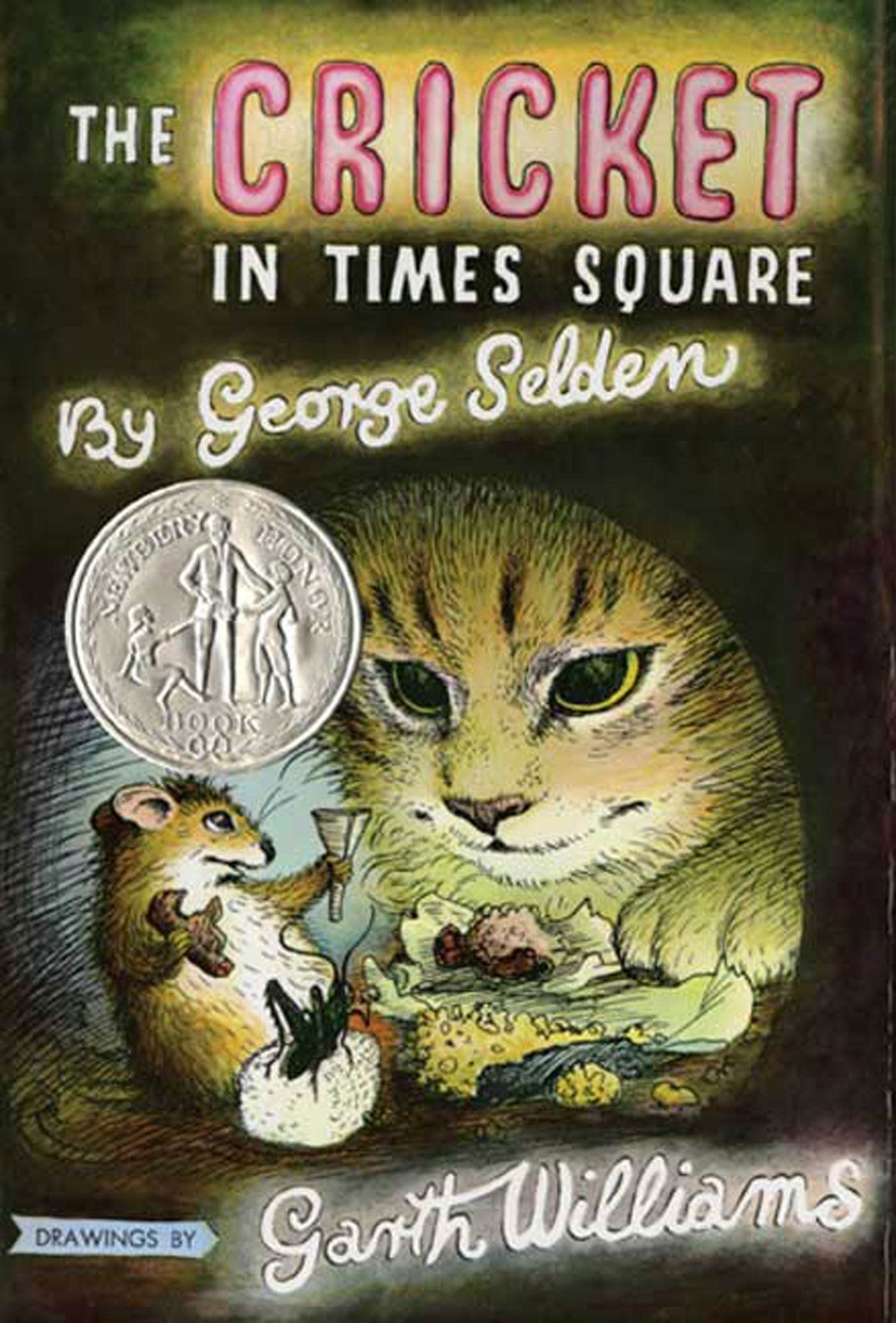
The Cricket in Times Square by George Selden tells the charming story of Chester Cricket, who accidentally travels from Connecticut to New York City and finds friendship, fame, and a life-changing decision. This guide provides parents and teachers with reading level information, age recommendations, content insights, and discussion questions for this Newbery Honor classic about friendship, home, and what it means to be happy.
For Parents
Find the right reading level for your child, understand the book’s themes around friendship and belonging, and get conversation starters to help your child explore questions about where home is, what makes us happy, and the importance of being true to yourself.
For Teachers
Access grade-level guidance, reading metrics, character analysis support, and thematic discussion questions perfect for classroom use. This Newbery Honor book offers rich opportunities for exploring urban settings, friendship across differences, and the meaning of success.
The Cricket in Times Square at a Glance
Find on Amazon →| Author | George Selden |
| Illustrator | Garth Williams |
| Published | 1960 |
| Grade Level | 4–5 (our assessment) |
| Recommended Age | 8–11 |
| Flesch-Kincaid Grade | 5.1 |
| Word Count | ~29,000 |
| Pages | 151 (standard paperback) |
| Chapters | 15 |
| Genre | Fantasy / animal fiction |
| Setting | Times Square subway station, New York City |
| Awards | Newbery Honor (1961) |
For official Lexile and AR levels, visit Lexile.com or AR BookFinder. ReadingVine provides independent editorial assessments.
What Reading Level Is The Cricket in Times Square?
The Cricket in Times Square is appropriate for grades 4–5, with a Flesch-Kincaid grade level of 5.1. The vocabulary is accessible, though it includes some sophisticated urban and musical terms that reflect the New York City setting. The sentence structure is straightforward, making the mechanics manageable for fourth graders, while the themes and gentle humor appeal to fifth graders as well.
Selden writes with warmth and charm, creating vivid characters through dialogue and action. The prose is more formal than contemporary middle-grade fiction, reflecting the book’s 1960 publication date, but it’s never stuffy or difficult. The pacing is gentle and episodic, with each chapter typically presenting a new adventure or challenge for Chester and his friends. The tone is light and optimistic, making it an accessible introduction to chapter books for younger readers.
While the reading mechanics are comfortable for fourth graders, the book resonates with readers ages 8–11 who can appreciate the friendship between unlikely companions (a cricket, a cat, and a mouse), the contrast between rural Connecticut and urban New York, and Chester’s ultimate decision to choose happiness over fame. It’s an excellent choice for readers who enjoy gentle animal fantasies with heart and humor.
What Age Is The Cricket in Times Square Appropriate For?
The Cricket in Times Square is most appropriate for readers ages 8–11. The story is gentle and wholesome, with no violence, scary moments, or mature themes. The biggest “conflict” comes from Chester accidentally causing problems (like eating a dollar bill or starting a fire), but these incidents are handled with humor rather than trauma. The book is perfect for readers who enjoy heartwarming animal stories.
Minor accidents: Chester accidentally eats part of a one-dollar bill and later causes a small fire in the newsstand. These incidents create problems for the Bellini family but are resolved without serious consequences.
Financial hardship: The Bellini family struggles financially with their newsstand, which is why Chester’s musical performances becoming a draw is so important to them.
Mild peril: There are a couple of tense moments when Chester or his friends face danger (like when Chester is almost stepped on in the subway), but these are brief and not traumatic.
Homesickness: Chester misses Connecticut and eventually chooses to return home despite his success in New York. This theme of missing home may resonate emotionally with some children.
What’s NOT in the book: No violence, no death, no frightening scenes, no inappropriate language. The tone is consistently gentle, warm, and optimistic. The ending is bittersweet as Chester leaves his friends, but it’s ultimately hopeful and affirming of his choice to return to the life that makes him happy.
What Is The Cricket in Times Square About?
Chester Cricket lives in the Connecticut countryside, enjoying the peaceful sounds of nature. One day, he jumps into a picnic basket to sample some liverwurst and accidentally gets trapped. The basket is loaded onto a train bound for New York City, and Chester finds himself in the bustling Times Square subway station—a world completely foreign to a country cricket.
Lost and frightened in the subway, Chester is discovered by Mario Bellini, a boy whose parents run a struggling newsstand in the station. Mario is enchanted by Chester and brings him back to the newsstand, keeping him in a matchbox as a cage. Mario’s mother, Mama Bellini, is skeptical—she thinks crickets are dirty and won’t help their business. But Mario’s father, Papa Bellini, remembers crickets from his childhood in Italy and agrees to let Mario keep Chester for a trial period.
That night, Chester meets two other creatures living in the subway: Tucker Mouse, who lives in a nearby drainpipe and has a comfortable life collecting dropped coins and food, and Harry Cat, Tucker’s best friend and roommate. Tucker is streetwise, practical, and a bit greedy but fundamentally kind. Harry is more cultured, philosophical, and refined. The three form an unlikely friendship, with Tucker and Harry helping Chester navigate city life.
Chester’s troubles begin when he accidentally eats part of a one-dollar bill that was part of the Bellinis’ earnings. Mama Bellini is furious and wants to get rid of the cricket, but Chester manages to avoid being thrown out. Things get worse when Chester, while practicing music, accidentally starts a small fire in the newsstand by knocking over a lit match. The fire is quickly extinguished, but Mama Bellini has had enough—the cricket must go.
Before Chester can be evicted, something remarkable happens. Mama Bellini hears Chester chirping a beautiful Italian song, “Come Back to Sorrento,” which she loved as a girl. Moved by the music and the memories it evokes, she relents and allows Chester to stay. This discovery changes everything: Chester has a natural gift for music. He can hear a piece of music once and reproduce it perfectly through his chirping.
Tucker Mouse, always looking for an angle, suggests that Chester use his musical talent to help the Bellinis’ struggling business. Chester begins performing concerts at the newsstand, and word spreads. Soon, crowds gather to hear the cricket’s music. The Bellinis’ newsstand becomes a sensation—people buy papers just for the chance to hear Chester perform. The family’s financial troubles end as their business flourishes.
Chester becomes famous. Newspapers write about him, musicians come to hear him, and he’s invited to perform on radio programs. He’s a celebrity, beloved throughout New York. The Bellinis prosper, and everyone is happy with Chester’s success. Everyone, that is, except Chester himself.
Despite his fame and the joy he brings others, Chester is homesick. He misses the quiet Connecticut countryside, the sound of wind in the leaves, the freedom of the meadow. The subway station, for all its excitement, isn’t home. Tucker and Harry, understanding their friend’s unhappiness, support his decision to return to Connecticut, even though they’ll miss him terribly.
The book ends with Chester returning to Connecticut, choosing happiness and authenticity over fame and success. Mario is sad but understands. Tucker and Harry remain in Times Square, their lives enriched by having known Chester. The message is clear: being true to yourself and finding where you truly belong is more important than achievement or recognition. Success means different things to different individuals, and real friendship means supporting each other’s choices, even when those choices mean saying goodbye.
The Cricket in Times Square Characters
The Cricket in Times Square Themes and Lessons
The Cricket in Times Square explores the question of what makes us truly happy. Chester achieves fame and success—he’s beloved, helps his friends, and brings joy to thousands. But he’s not happy because he’s not where he belongs. The book teaches that genuine fulfillment comes from being in the right place, doing what feels authentic to who we are, rather than from external achievement or recognition. Chester’s wisdom is recognizing this truth and having the courage to choose accordingly.
The book also celebrates friendship that transcends differences. Tucker and Harry’s friendship (mouse and cat) defies nature, and their welcoming of Chester (cricket from the country) shows how genuine connection can cross boundaries of species, background, and lifestyle. These friendships are based on mutual respect, acceptance, and caring about each other’s happiness rather than what each friend can provide.
Discussion questions for families:
- Why does Chester decide to leave New York even though he’s famous and helping the Bellinis? What does this teach us about success?
- How do Tucker and Harry show real friendship when Chester decides to leave? What would fake friendship look like?
- What are the differences between Connecticut and New York City? Which would you prefer and why?
- Chester has a special talent (perfect musical memory). How does he use this gift? What can we learn from how he handles his talent?
How Many Pages and Chapters in The Cricket in Times Square?
The Cricket in Times Square has 151 pages in the standard paperback edition and is divided into 15 chapters. The word count is approximately 29,000 words. The chapters average about 10 pages each and typically cover a specific event or adventure—Chester’s arrival, meeting Tucker and Harry, the dollar bill incident, the fire, his musical debut, becoming famous, and his decision to return home.
For independent readers in the target age range (8–11), the book typically takes 3–4 hours to complete, or about one week of reading 30 minutes per day. The gentle pacing and episodic structure make it easy to read a chapter or two at a time. The engaging characters and warm humor keep most readers moving steadily through the story.
As a read-aloud, The Cricket in Times Square takes approximately 3–4 hours total. The book works beautifully as a family or classroom read-aloud because Selden’s warm prose and charming characters translate wonderfully when performed aloud, and the episodic chapter structure provides natural stopping points. Teachers commonly use it in fourth grade to discuss themes of friendship, belonging, and making choices aligned with your values. The gentle tone and hopeful message make it accessible to a wide age range.
Books Similar to The Cricket in Times Square
If your child enjoyed The Cricket in Times Square, here are six similar books that explore themes of friendship, animal characters, and finding where you belong:
About George Selden
George Selden (1929–1989) was the pen name of George Selden Thompson, an American author best known for The Cricket in Times Square. Selden was born in Hartford, Connecticut, and many of his books are set in Connecticut or New York City. The Cricket in Times Square, published in 1960, was inspired by Selden hearing a real cricket chirping in a Times Square subway station. The sound struck him as magical—a piece of nature surviving in one of the world’s busiest urban environments. The book won a Newbery Honor in 1961 and became a beloved classic. Selden wrote six sequels featuring Tucker, Harry, and Chester: Tucker’s Countryside (1969), Harry Cat’s Pet Puppy (1974), Chester Cricket’s Pigeon Ride (1981), Chester Cricket’s New Home (1983), Harry Kitten and Tucker Mouse (1986), and The Old Meadow (1987). While the sequels are charming, the original Cricket in Times Square remains the most beloved and widely read. The book’s enduring popularity comes from its gentle humor, lovable characters, and profound message about choosing authenticity over fame. The illustrations by Garth Williams (who also illustrated Charlotte’s Web and Stuart Little) perfectly capture the characters’ personalities and the contrast between urban New York and rural Connecticut. Selden died in 1989, but The Cricket in Times Square continues to be widely read in elementary classrooms, helping children think about friendship, home, and what it means to be truly happy.
The Cricket in Times Square: Frequently Asked Questions
Does Chester stay in New York at the end?
No, Chester decides to return to Connecticut despite his fame and success. Even though he’s helped the Bellini family and brought joy to thousands with his music, Chester is homesick for the countryside. With Tucker and Harry’s support, Chester returns home. The ending affirms Chester’s right to choose authenticity and happiness over fame.
How does Chester Cricket get to New York City?
Chester accidentally gets to New York by jumping into a picnic basket to sample liverwurst sandwiches. The basket is closed and loaded onto a train from Connecticut to New York City. When opened in Times Square subway station, Chester finds himself in a completely foreign environment.
Why are Tucker Mouse and Harry Cat friends?
Tucker and Harry’s friendship defies nature—cats typically hunt mice. But they’re devoted roommates living together in Tucker’s drainpipe. The book presents their friendship as proof that genuine connection can transcend differences, showing that bonds based on mutual respect and affection are more powerful than natural instincts or expectations.
What musical talent does Chester have?
Chester can hear a piece of music once and reproduce it perfectly through his chirping. He can play any genre—classical, opera, popular songs, jazz. His talent makes him famous as people gather for his concerts, but he ultimately values his simple Connecticut life more than his musical career in New York.
What trouble does Chester get into?
Chester accidentally eats part of a one-dollar bill from the Bellinis’ earnings, causing financial strain. Later, while practicing music, he accidentally starts a small fire in the newsstand. These incidents nearly get him evicted, but he’s saved when Mama Bellini hears him play her favorite Italian song.
What grade level is The Cricket in Times Square?
The Cricket in Times Square is appropriate for grades 4–5 (ages 8–11) with a Flesch-Kincaid grade level of 5.1. It’s also popular as a read-aloud for younger children because of its gentle tone and charming characters. Many schools teach it in fourth grade as an introduction to longer chapter books with themes about friendship and belonging.
Are there sequels to The Cricket in Times Square?
Yes, George Selden wrote six sequels: Tucker’s Countryside, Harry Cat’s Pet Puppy, Chester Cricket’s Pigeon Ride, Chester Cricket’s New Home, Harry Kitten and Tucker Mouse, and The Old Meadow. While charming, the original remains the most beloved and widely read.
What is the main message of The Cricket in Times Square?
The main message is that being true to yourself and finding where you truly belong is more important than fame or success. Chester has fame and helps others, but he’s not happy because he’s not where he belongs. The book teaches that happiness comes from authenticity rather than acclaim, and that choosing what genuinely fulfills you is true wisdom.