
 = Partner Site
Strays Like Us Reading Level: A Complete Guide
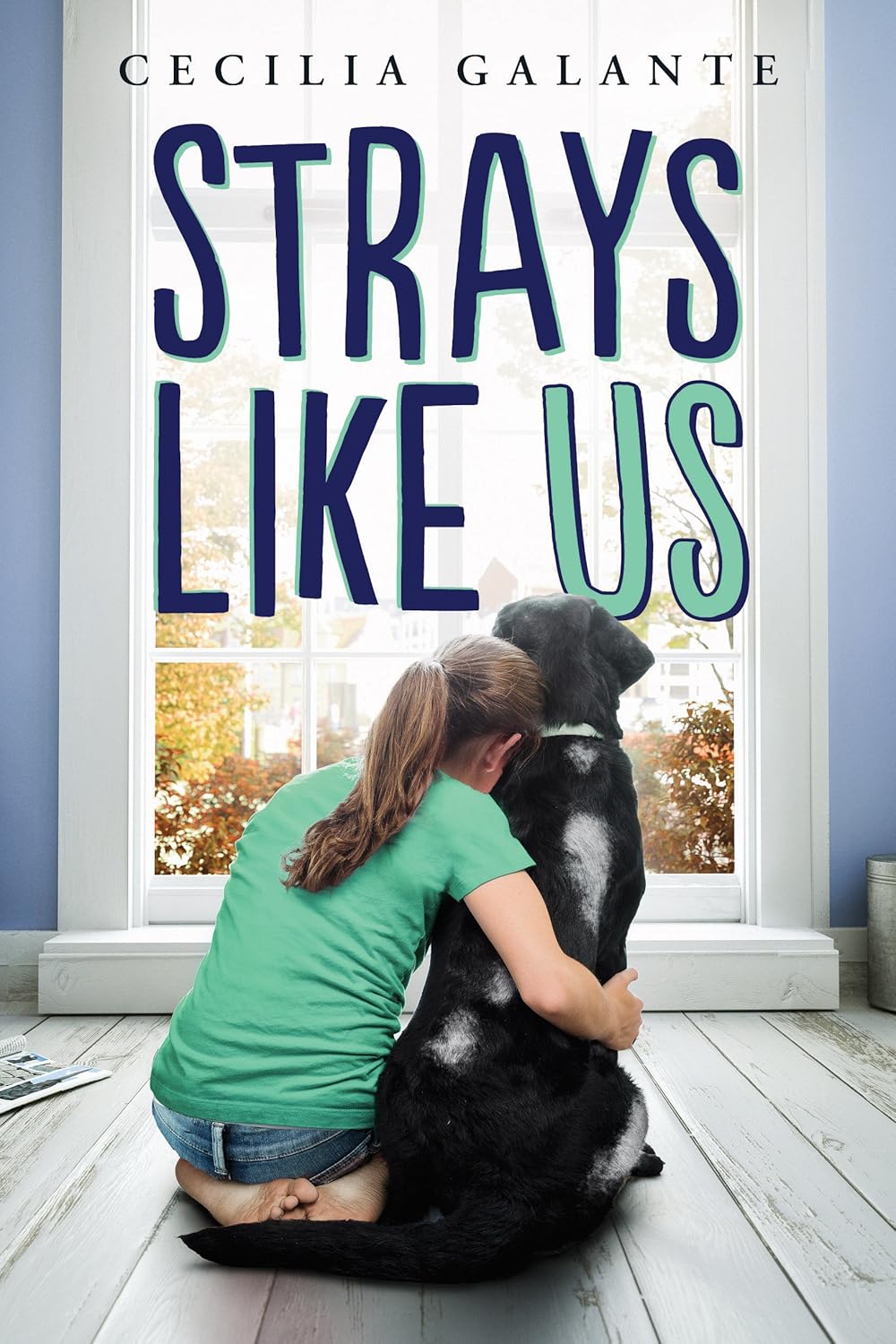
Strays Like Us, written by Richard Peck, is a 155-page novel about twelve-year-old Molly Moberly, who has spent her life following her drug-addicted mother from place to place and whose mother is now in the hospital. Molly is sent to a small Missouri town to stay with her great-aunt Fay — a woman she has never met, in a place she doesn’t know, which she tells herself is temporary. It isn’t. Through a year in this town, Molly meets Will, a boy next door being raised by his grandparents while his father is hidden away in an upstairs room dying of AIDS — and the town’s fear of both the disease and the man’s presence becomes one of the novel’s central events. Molly also meets home-schooled Tracy, from the wealthy side of town, whose comfortable life conceals its own difficulties. What Molly discovers, over the course of the year, is that the town is full of strays — people who ended up somewhere other than where they expected — and that belonging is not something you either have or don’t have but something that grows, slowly, in the right conditions. Published in 1998 by Dial Books and winner of a Publishers Weekly starred review (“this sensitive heroine is one readers will want to take under their wing”), it is one of Richard Peck’s contemporary middle-grade novels — Peck was the Newbery Medal winner for A Year Down Yonder and a Newbery Honor winner for A Long Way from Chicago. This guide covers reading level, age appropriateness, content, themes, and similar books.
For Parents
A quietly moving novel about a girl sent to live with a great-aunt she doesn’t know when her drug-addicted mother is hospitalized — and what belonging means when you’ve never had it. Ages 10–14, grades 4–7. Content: parental drug addiction; a secondary character’s father dies of AIDS in the late 1990s context with period-accurate community fear and stigma. Handled with compassion rather than sensationalism.
For Teachers
A grades 4–7 classroom text with a strong sense of character and place — one of Peck’s less-taught contemporary novels but consistent in craft with his Newbery work. The AIDS subplot and the small-town community response provide historical context for the late 1990s AIDS crisis and its social dimensions. Publishers Weekly starred review. Richard Peck (1934–2018) received the National Humanities Medal.
Strays Like Us at a Glance
Find on Amazon →| Author | Richard Peck (1934–2018) |
| Published | 1998 (Dial Books for Young Readers / Puffin) |
| Grade Level | 4–7 (our assessment) |
| Recommended Age | 10–14 |
| Lexile | ~590L (estimated; see note below) |
| ATOS Level | ~4.0 (estimated) |
| Pages | 155 |
| Genre | Realistic fiction / coming-of-age |
| Setting | Small town, Missouri; late 1990s |
For official Lexile and AR levels, visit Lexile.com or AR BookFinder. ReadingVine provides independent editorial assessments.
What Reading Level Is Strays Like Us?
Note: a 2018 novel by Paula Chase shares the title Strays Like Us, which can cause confusion in reading level databases. The Richard Peck novel discussed in this guide was published in 1998 by Dial Books. The available reading level data for the Peck novel is limited; based on comparable Richard Peck middle-grade titles and the book’s 155-page length and prose style, we estimate Lexile approximately 590L and ATOS approximately 4.0 — consistent with a grades 4–7 placement. Publishers Weekly recommended it for ages 10 and up. Our assessment: grades 4–7, ages 10–14. For official Lexile and AR scores, visit Lexile.com or AR BookFinder, and confirm you are looking at the Richard Peck 1998 edition.
What Age Is Strays Like Us Appropriate For?
Ages 10–14, grades 4–7. Two content areas worth noting for parents:
Molly’s mother is a drug addict — this is the premise of the novel and is handled directly, including the reality that her mother may not recover or return. A secondary plot involves Will’s father, who is dying of AIDS in the upstairs room of his parents’ house, hidden from the community. When Will is cut during a football game and bleeds on the field, classmates refuse to go near him for fear of contracting the disease. This depicts the specific stigma and fear that surrounded AIDS in the late 1990s with historical accuracy. Both content threads are handled with compassion rather than graphic detail, but parents should be aware before sharing with younger or more sensitive readers.
What Is Strays Like Us About?
Molly Moberly has always lived on the move, following her drug-addicted mother from city to city, from one temporary arrangement to the next. When her mother is hospitalized, Molly is sent to stay with her great-aunt Fay in a small Missouri town — a woman Molly has never met, in a community she doesn’t know, which she tells herself is only temporary until her mother gets better and comes for her. As the months pass, the permanence of her situation becomes harder to deny.
The town, which at first seems ordinary and closed to her, gradually reveals its own population of strays: people who ended up somewhere other than where they planned, carrying things they don’t talk about. Next door lives Will, being raised by his grandparents. His father, rumored to be in jail, is actually in an upstairs room dying of AIDS — a secret Aunt Fay knows and keeps, as she nurses him as part of her work. When the community finds out, Will faces the specific cruelty of late-1990s AIDS stigma: classmates who don’t want to be near his blood, adults who whisper. Molly, who knows about being on the outside, finds in Will’s situation something she understands.
Tracy, from the wealthy side of town and home-schooled, seems to have everything Molly lacks. Her inclusion in the novel gives the book its three-stray structure: Molly, Will, and Tracy, each displaced in a different way from where they expected to be.
The AIDS Subplot — Historical Context
The novel was published in 1998, at the tail end of the period of greatest public fear about AIDS in the United States. The fear shown by Will’s classmates when he bleeds on the football field — the refusal to go near him, the assumption that AIDS can be transmitted through casual contact — reflects the specific misinformation and stigma of that era. One Goodreads reviewer compared Will’s situation to that of Ryan White, the Indiana teenager who contracted AIDS through a blood transfusion and faced school exclusion in 1985–1986 before becoming a national advocate.
For contemporary readers, this subplot provides historical context for how AIDS was understood and feared at the time, and for how that fear was directed at the people already most affected. Teachers using the book in classrooms may find the Ryan White connection a productive research extension. Peck handles the subplot with compassion and without preachiness.
Strays Like Us Themes and Lessons
The book’s title operates as both description and argument: everyone in this small town is a stray in some sense — people whose lives didn’t go as planned, who ended up where they are by accident or circumstance rather than choice. Molly’s outsider perspective, which Peck uses to reveal the town’s hidden lives to the reader gradually, is both a narrative technique and a thematic claim: the people who are displaced see more clearly than those who have always belonged, because they have to look more carefully to understand what they’re in.
Aunt Fay, who is presented initially as simply a dutiful relative, emerges across the novel as the book’s most fully realized character — a woman doing genuinely good work (caring for a dying man the community has rejected) without making a performance of it, and building a home for Molly without advertising that either. The relationship between Molly and Aunt Fay is the book’s warmest thread.
Discussion questions: Why does Molly insist for so long that her stay is temporary? What does it mean to be a “stray” — who else in the town fits that description? How does Will’s situation compare to Molly’s? What does Aunt Fay do that makes the house eventually feel like home?
Books Similar to Strays Like Us
About Richard Peck
Richard Peck (1934–2018) was born in Decatur, Illinois, and taught high school English before leaving teaching in 1971 to write fiction. He was the author of more than forty novels for children and young adults. His awards include the Newbery Medal for A Year Down Yonder (2001), a Newbery Honor for A Long Way from Chicago (1999), two Edgar Awards, the Margaret A. Edwards Award from the American Library Association, and the National Humanities Medal — the first children’s author to receive this recognition from the National Endowment for the Humanities. His other notable works include A Season of Gifts, The Teacher’s Funeral, The River Between Us, and Remembering the Good Times. He lived in New York City for nearly fifty years and remained active in children’s literature until shortly before his death.
Strays Like Us: Frequently Asked Questions
What reading level is Strays Like Us by Richard Peck?
Estimated Lexile ~590L and ATOS ~4.0, consistent with Peck’s other middle-grade novels and the book’s 155-page length. Our assessment: grades 4–7, ages 10–14. Note that a 2018 novel by Paula Chase shares this title — confirm you are searching for the Richard Peck 1998 edition. For official scores, visit Lexile.com or AR BookFinder.
What is Strays Like Us about?
Twelve-year-old Molly Moberly is sent to live with her great-aunt Fay in a small Missouri town when her drug-addicted mother is hospitalized. Over the course of a year, she meets Will (being raised by grandparents, his father secretly dying of AIDS upstairs) and Tracy (home-schooled, wealthier but also displaced), and discovers the town is full of people who ended up somewhere they didn’t plan.
Is there a 2018 novel also called Strays Like Us?
Yes — Strays Like Us by Paula Chase was published in 2018 by Greenwillow Books. It is a different novel from the Richard Peck 1998 book covered in this guide. If you are searching databases for reading level information, confirm you have the correct edition by checking the author name and publication date.
Who is Richard Peck?
Richard Peck (1934–2018) was the Newbery Medal-winning author of A Year Down Yonder and more than forty novels for children and young adults. He received the National Humanities Medal — the first children’s author to receive this recognition. Other notable works include A Long Way from Chicago (Newbery Honor), The River Between Us, and The Teacher’s Funeral.