
 = Partner Site
The Glass Menagerie Reading Level: A Complete Guide
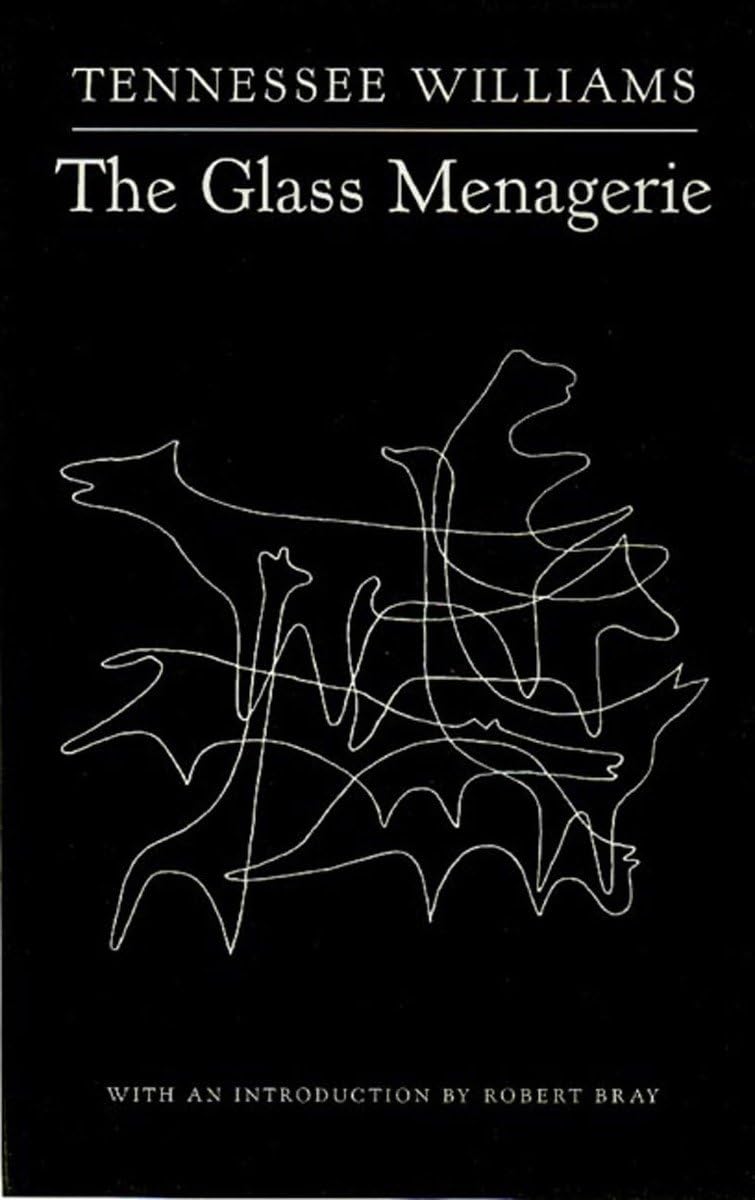
The Glass Menagerie is a play by Tennessee Williams that premiered in Chicago on December 26, 1944, and opened on Broadway in 1945. Williams subtitled it a “memory play” — a term he coined for this work — and it is narrated by Tom Wingfield, who looks back from an unspecified future on his family’s life in a St. Louis tenement apartment in the 1930s. The four characters are Tom; his mother Amanda, a faded Southern belle who presses her children toward security she cannot provide herself; his sister Laura, who is physically disabled and retreats from the world into a collection of glass animal figurines; and Jim O’Connor, Tom’s coworker whom Tom brings home as a potential suitor for Laura. The play is structured in seven scenes across two parts. It won the New York Drama Critics Circle Award in 1945 and is among the most widely assigned American drama texts in high school and college curricula. It is openly autobiographical: Tom is Williams’s surrogate, Amanda is based on his mother Edwina, Laura is based on his sister Rose, and the absent father mirrors Williams’s own. The play is published by New Directions and remains under copyright. This guide covers reading level, age appropriateness, content, structure, themes, and similar texts.
For Parents
A memory play about a Depression-era St. Louis family — a domineering mother, a fragile daughter who retreats from the world, and a son who wants to escape. Ages 14–18, grades 9–12. Content: no graphic violence or sexual content; themes of family dysfunction, poverty, disability, and abandonment. Tom references going to the movies and escaping — the play’s ending makes clear he does leave. Standard 10th–12th grade American drama assignment alongside Death of a Salesman and A Raisin in the Sun.
For Teachers
A grades 9–12 American drama standard — most commonly assigned in 10th–12th grade. Approximately 26,000 words; 7 scenes. Lexile NP (Not Prose — drama); no standard ATOS for the New Directions edition. New York Drama Critics Circle Award 1945. The play’s Production Notes — included in the New Directions edition — describe Williams’s intended staging conventions and are often assigned alongside the play text. The autobiographical context is well documented and productive for classroom discussion. Under copyright; published by New Directions.
The Glass Menagerie at a Glance
Find on Amazon →| Author | Tennessee Williams (1911–1983) |
| Premiered | December 26, 1944 (Chicago); March 31, 1945 (Broadway) |
| Published | 1945 (Random House); standard edition: New Directions |
| Grade Level | 9–12 (our assessment; most commonly 10th–12th grade) |
| Recommended Age | 14–18 |
| Lexile | NP (Not Prose — drama) |
| ATOS Level | Not confirmed for standard edition |
| Word Count | ~26,000 |
| Structure | 7 scenes (two parts); no act divisions |
| Genre | Memory play / American drama |
| Setting | St. Louis, Missouri; 1930s (Depression era) |
| Awards | New York Drama Critics Circle Award (1945) |
| Copyright | Under copyright; published by New Directions |
For official Lexile and AR levels by edition, visit Lexile.com or AR BookFinder and search by ISBN. ReadingVine provides independent editorial assessments.
What Reading Level Is The Glass Menagerie?
Reading level formulas do not apply to drama in the standard way; Lexile designates plays as NP (Not Prose). No confirmed ATOS is available for the standard New Directions edition. Open Library tags for the play span grades 7–12, reflecting the wide range at which it is assigned. The play’s language — Williams’s lyrical, image-rich stage directions and dialogue — is accessible in prose style but requires familiarity with dramatic conventions (stage directions as literary text, the narrator’s direct address to the audience, scene-based rather than chapter-based structure) that students new to reading drama may need support with. Our assessment: grades 9–12, ages 14–18, most commonly assigned in 10th–12th grade. For edition-specific data, visit Lexile.com or AR BookFinder.
The Memory Play — What the Term Means
Tennessee Williams coined the term “memory play” for The Glass Menagerie. The play is narrated by Tom Wingfield, who addresses the audience directly from a position in the future, outside the action of the scenes he is recounting. Tom moves between his role as narrator and his role as a character within the scenes — sometimes stepping in and out of the action. Because the events are filtered through Tom’s memory, Williams indicates in his Production Notes that the staging should not be realistic: lighting, music, and projected screen images were intended to create an atmosphere of memory and nostalgia rather than documentary realism. The Production Notes are included in the New Directions edition and are frequently assigned alongside the play text.
The memory play structure means that the audience is always aware that they are watching Tom’s recollection rather than the events themselves — and that Tom’s guilt about leaving his family shapes how those events are presented. Williams drew on this structure from his influences, particularly Anton Chekhov, and it influenced subsequent American drama, including Arthur Miller’s use of memory and time in Death of a Salesman (1949).
What Is The Glass Menagerie About?
Tom Wingfield lives in a St. Louis tenement apartment with his mother Amanda and his sister Laura during the Depression of the 1930s. Their father abandoned the family years ago — his photograph hangs on the wall. Tom works at a shoe warehouse he despises; he spends his evenings at the movies and has ambitions to be a poet and to escape. Amanda, a former Southern belle, lives partly in her memories of a youth in which she was courted by numerous gentlemen callers; she presses Tom to advance at work and presses Laura to prepare for a future she cannot envision.
Laura has a slight physical disability — a leg brace from a childhood illness — and severe social anxiety that caused her to drop out of business college without telling Amanda. She spends her time at home caring for a collection of glass animal figurines — the glass menagerie of the title — and playing records on an old Victrola. Her most prized piece is a glass unicorn.
Under pressure from Amanda, Tom invites a coworker, Jim O’Connor, to dinner as a potential suitor for Laura. Jim was a popular figure in the high school that he, Tom, and Laura all attended; he nicknamed Laura “Blue Roses” after mishearing her say she had been absent with pleurosis. The evening with Jim is the play’s central dramatic event. Jim is kind to Laura; they talk and dance; he accidentally breaks the horn off the unicorn; he kisses Laura impulsively — and then reveals that he is engaged to be married and cannot be the gentleman caller Amanda hoped for. Amanda blames Tom for not having disclosed this; Tom leaves for good, joining the Merchant Marine. The play ends with Tom’s narration reflecting on his guilt at having left Laura behind.
The Glass Menagerie Characters
The Autobiographical Context
The play is openly autobiographical. Tom Wingfield is Williams’s surrogate — Williams also worked in a shoe warehouse in St. Louis and escaped his family by leaving. Amanda is based on Williams’s mother Edwina Dakin Williams, whose Southern upbringing and social ambitions Williams depicted critically. Laura is based on Williams’s sister Rose Williams, who was shy and withdrawn and suffered from severe mental illness; Rose underwent a lobotomy in 1943, the year before the play premiered, an operation Williams blamed himself for not preventing. The gentleman caller episode is based on a real event — an evening with the only suitor who ever came for Rose. The absent father is based on Williams’s own father, Cornelius Coffin Williams, who was often absent and with whom Williams had a difficult relationship.
Williams described the play in his Production Notes as “a memory play” that is “sentimental” rather than realistic — he did not intend it as documentary autobiography but as a work shaped by memory, guilt, and retrospection.
Key Symbols — The Unicorn and Blue Roses
The glass unicorn is Laura’s most prized figurine. It differs from the other animals in her collection because unicorns do not exist in the real world; Laura notes that the unicorn does not mind being different because it does not have to interact with other horses. When Jim and Laura dance and accidentally knock the unicorn, breaking its horn, Jim observes that it now looks like all the other horses — and Laura says it can be a souvenir for Jim to take, since it no longer needs to feel freakish. The breaking of the horn and Laura’s response are the play’s most discussed symbolic moment.
“Blue Roses” is the nickname Jim gave Laura in high school when he misheard her saying she had been absent with pleurosis — he thought she said “blue roses.” Roses do not come in blue; the nickname marks Laura as beautiful but not of the ordinary world. Williams deliberately chose the echo of his sister Rose’s name.
The Glass Menagerie Themes and Lessons
The play’s three Wingfields each retreat from an unbearable reality into a sustaining illusion: Amanda into her memories of her Southern girlhood, Laura into her glass collection and old records, Tom into the movies and poetry. The play does not present any of these retreats as villainous — it depicts them as the specific survival mechanisms available to specific people in specific circumstances. Jim O’Connor, the only character from outside the Wingfield apartment, represents the world as it actually is — and his brief presence shatters several illusions simultaneously.
The play’s ending — Tom’s monologue about being unable to stop seeing Laura’s face wherever he goes — establishes that escape from the family did not bring the freedom Tom expected. The guilt of abandonment, the play suggests, travels with the person who leaves.
Discussion questions: What does each character retreat into — and what does that retreat cost them? What does the breaking of the unicorn’s horn mean — how does Laura interpret it? Why does Tom leave, and what does his final monologue suggest about whether leaving solved anything? What does the memory play structure — Tom as narrator — add to how we understand the events?
Texts Similar to The Glass Menagerie
About Tennessee Williams
Tennessee Williams was born Thomas Lanier Williams III on March 26, 1911, in Columbus, Mississippi. He grew up primarily in St. Louis, Missouri, after his father Cornelius moved the family there in 1918. He attended the University of Missouri, Washington University in St. Louis, and the University of Iowa, graduating in 1938. He moved to New Orleans in 1939, where he adopted the name Tennessee — the state of his father’s birth. He worked at a variety of jobs, including a stint at a shoe warehouse in St. Louis that he drew on directly in The Glass Menagerie. He received a Rockefeller Foundation fellowship in 1940 and a Group Theatre Award in 1939 for a collection of one-act plays. The Glass Menagerie (1944) was his breakthrough. His subsequent plays include A Streetcar Named Desire (1947, Pulitzer Prize), Cat on a Hot Tin Roof (1955, Pulitzer Prize), Sweet Bird of Youth (1959), and The Night of the Iguana (1961). He died on February 25, 1983, in New York City. His sister Rose Williams, on whom Laura is based, lived until 1996.
The Glass Menagerie: Frequently Asked Questions
What reading level is The Glass Menagerie?
Reading level formulas do not apply to drama in the standard way; Lexile is NP (Not Prose) for plays. No confirmed ATOS for the standard New Directions edition. Our assessment: grades 9–12, ages 14–18, most commonly 10th–12th grade. For edition-specific data, visit Lexile.com or AR BookFinder.
What is The Glass Menagerie about?
Tom Wingfield narrates, from a future vantage point, his family’s life in a Depression-era St. Louis apartment: his mother Amanda’s efforts to find a suitor for his fragile, withdrawn sister Laura, and the disastrous evening when Tom brings home a coworker as a potential gentleman caller — who turns out to be engaged to someone else. Tom eventually leaves his family; the play is his guilt-shaped memory of having done so.
What is a memory play?
A term Tennessee Williams coined for The Glass Menagerie. The play is narrated by Tom from a position in the future, looking back on events he lived through. Because the events are filtered through memory, Williams intended the staging to be non-realistic — with lighting, music, and projected screen images creating an atmosphere of recollection rather than documentary realism. Tom moves between his role as narrator and his role as a character within the scenes.
Is The Glass Menagerie autobiographical?
Yes, openly. Tom is Williams’s surrogate; Amanda is based on his mother Edwina; Laura is based on his sister Rose, who suffered from severe mental illness and underwent a lobotomy in 1943, the year before the play premiered. The absent father is based on Williams’s own father. The gentleman caller episode is based on a real event. Williams described the play not as documentary autobiography but as a work shaped by memory, guilt, and retrospection.
What does the glass unicorn symbolize in The Glass Menagerie?
Laura’s most prized figurine — unusual among the animals because unicorns do not exist in the real world. When Jim accidentally breaks its horn while dancing with Laura, it becomes like all the other horses. Laura gives it to Jim as a souvenir. The moment and Laura’s response to it are among the play’s most discussed scenes.
What grade is The Glass Menagerie typically assigned?
Most commonly in 10th, 11th, or 12th grade American drama or literature courses. It is frequently paired with Death of a Salesman and A Raisin in the Sun in American drama units. It is a standard AP Literature text.