
 = Partner Site
The People of Sparks Reading Level: A Complete Guide
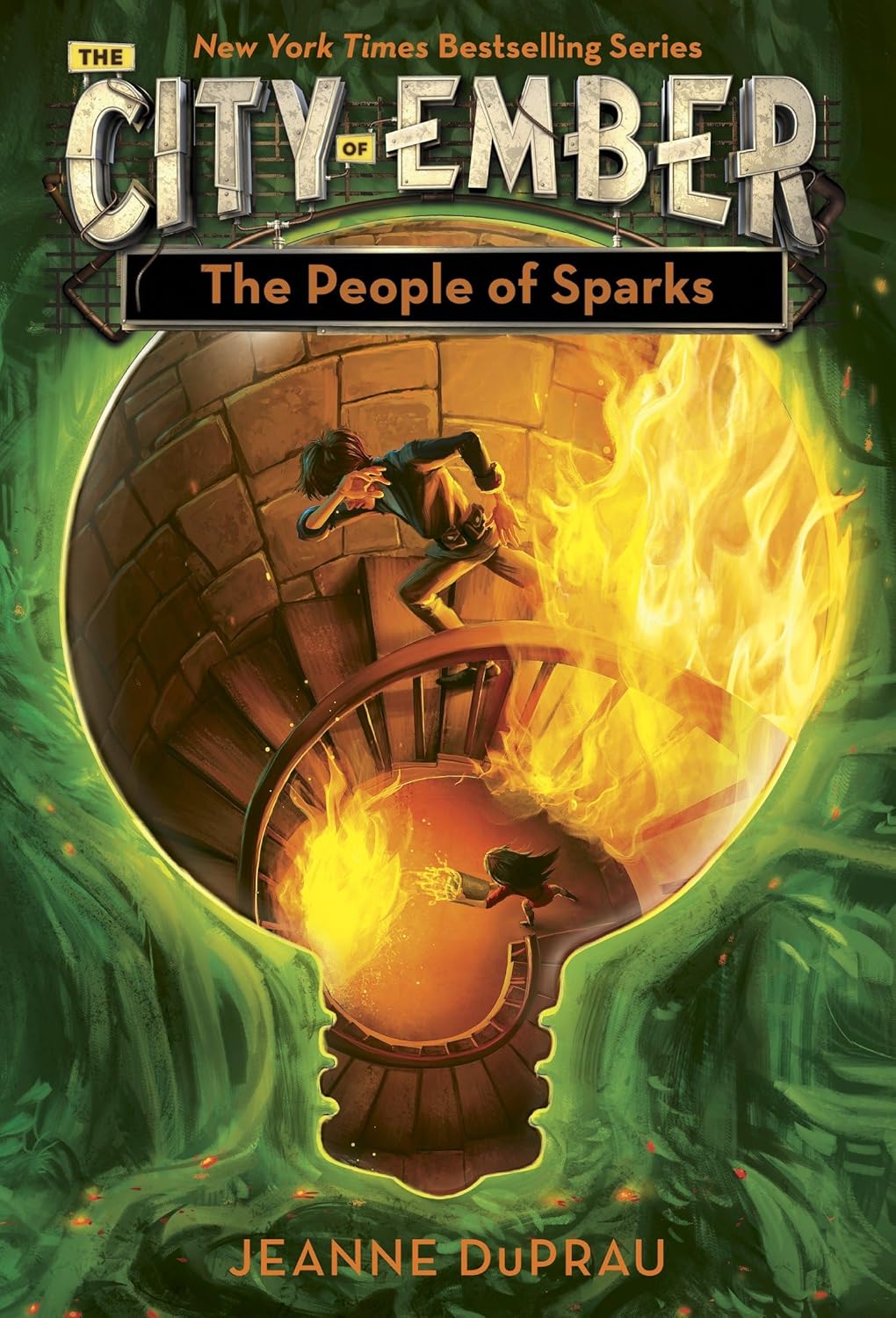
The People of Sparks, written by Jeanne DuPrau, is a 346-page post-apocalyptic science fiction novel and the second book in the Books of Ember series. The residents of the underground city of Ember — roughly four hundred people, including twelve-year-old Lina Mayfleet and Doon Harrow — have found their way to the surface. They are hungry, disoriented, and have never seen sunlight, trees, or animals. They stumble across the small above-ground town of Sparks, which takes them in: a six-month arrangement, the Emberites housed in barns and fed from Sparks’s limited stores while the town’s leaders plan for their eventual settlement elsewhere. The arrangement strains Sparks’s resources and patience. As weeks become months, resentment builds on both sides — anonymous acts of vandalism accelerate the tension — and the two communities slide toward a conflict that neither intended and both struggle to stop. Published in 2004 by Random House and nominated to multiple state award lists, it is a story about intergroup conflict, scapegoating, and the difficulty of sharing when there is not enough to go around. This guide covers reading level, age appropriateness, content, themes, and similar books. Readers who have not read The City of Ember first should start there.
For Parents
The sequel to The City of Ember — Lina and Doon emerge from underground and arrive in a small surface town with limited resources, where the tension between Emberites and locals escalates toward violence. Ages 9–13, grades 4–7. Content: group conflict, vandalism, and near-violence; no graphic content. Read The City of Ember first.
For Teachers
A grades 4–7 classroom text with strong discussion potential around intergroup conflict, resource scarcity, scapegoating, and how communities respond when outsiders arrive with competing needs. Nominated to multiple state award lists. Pairs naturally with The City of Ember for a series unit and with nonfiction on refugee and displacement contexts for thematic extension.
The People of Sparks at a Glance
Find on Amazon →| Author | Jeanne DuPrau |
| Published | 2004 (Random House Books for Young Readers) |
| Grade Level | 4–7 (our assessment) |
| Recommended Age | 9–13 |
| Lexile | 760L |
| ATOS Level | 4.9 |
| Word Count | 71,675 |
| Pages | 346–352 (editions vary) |
| Genre | Post-apocalyptic science fiction |
| Series | Books of Ember, Book 2 of 4 |
| Setting | The town of Sparks; post-apocalyptic future |
For official Lexile and AR levels, visit Lexile.com or AR BookFinder. ReadingVine provides independent editorial assessments.
What Reading Level Is The People of Sparks?
Lexile 760L, ATOS 4.9, interest level grades 4–8. Our assessment: grades 4–7, ages 9–13. The Lexile is slightly higher than The City of Ember (680L), and the word count is larger (71,675 vs. approximately 60,000), reflecting a longer and somewhat more complex narrative. DuPrau’s prose remains accessible — clear sentences, direct vocabulary — but the themes of intergroup conflict and resource scarcity are more socially complex than the underground mystery of the first book. Most readers in the target range complete it in one to two weeks. For official scores, visit Lexile.com or AR BookFinder.
Read The City of Ember First
The People of Sparks begins directly where The City of Ember ends. The Emberites’ emergence from the underground city, their disorientation in the sunlit world above, and their arrival in Sparks all follow immediately from the events of Book 1. Readers who begin here without that context will not understand who the Emberites are, why they know nothing about the surface world, or what their journey out of Ember cost them. See our City of Ember guide for a full introduction to the series.
What Is The People of Sparks About?
Lina Mayfleet, Doon Harrow, and approximately four hundred other Emberites have emerged from underground to find a world of sunlight, trees, animals, and weather that they have never experienced. They are also hungry, frightened, and have nowhere to go. When they find the small town of Sparks — a community of about a thousand people who have rebuilt a functional life above-ground in the generations since the catastrophe that drove humanity underground — the town’s three leaders agree to take the Emberites in for six months, housing them in barns and outbuildings and feeding them while a longer-term plan is devised.
The arrangement does not work smoothly. Sparks has limited food stores; feeding four hundred additional people strains them significantly. The Emberites know nothing about horses, farming, or the surface world’s basic operations, which frustrates the Sparks residents who must teach them. Misunderstandings accumulate. Resentments build on both sides. Someone begins committing anonymous acts of vandalism — small acts that inflame tensions and push both communities toward a confrontation that the leaders struggle to prevent. It falls to Lina, Doon, and a few others who are paying close attention to discover who is behind the vandalism and why — and whether the slide toward violence can be stopped.
The People of Sparks Themes and Lessons
Where The City of Ember is primarily a mystery — what is wrong with Ember, what does the box contain, how do they escape — The People of Sparks is primarily a social study. The central question is not “how do we get out?” but “how do we live together when resources are limited and both groups have legitimate needs?” This is a harder question and a more adult one, and DuPrau takes it seriously: there are no simple villains in Sparks, and the Emberites’ ignorance of surface life is genuinely disruptive rather than charming. Both communities have legitimate grievances; neither is entirely right.
The vandalism subplot — in which an unnamed person commits acts designed to inflame tensions between the two groups — raises the question of who benefits from conflict. The answer, when it comes, is specific and worth discussing: sometimes the person who stirs up a fight is doing so for reasons that have nothing to do with either group’s actual interests. This is a pattern recognizable in historical and contemporary contexts that teachers may find useful as a discussion anchor.
The book has frequently been used in classrooms for units on immigration and refugees — not because DuPrau wrote it as allegory, but because the situation (a community of displaced people arriving in a place with limited resources, needing housing and food, straining the host community’s patience and goodwill) maps cleanly onto that experience. SuperSummary notes this as a productive classroom extension.
Discussion questions: Who do you think is more justified in their frustration — the Emberites or the people of Sparks? Why is it difficult for both groups to see the other’s perspective? What does the vandalism accomplish — and who benefits? What would have to be true for the two communities to actually live together successfully?
The Books of Ember Series
The Books of Ember series includes four novels: The City of Ember (2003), The People of Sparks (2004), The Prophet of Yonwood (2006, a prequel set before the underground cities were built), and The Diamond of Darkhold (2008, which returns to Lina and Doon and concludes their story). The series should be read in publication order; The Prophet of Yonwood, though a prequel chronologically, was written after the first two books and is better read third. A 2008 feature film adapted The City of Ember, starring Saoirse Ronan and Bill Murray.
Books Similar to The People of Sparks
About Jeanne DuPrau
See our City of Ember guide for a full biography of Jeanne DuPrau. The People of Sparks was published in 2004, one year after The City of Ember. DuPrau has noted that the intergroup conflict at the heart of this novel reflects her interest in how communities respond to displacement and scarcity — questions she considers among the most important facing human societies. The Books of Ember series was nominated to multiple state award lists in total.
The People of Sparks: Frequently Asked Questions
What reading level is The People of Sparks?
Lexile 760L, ATOS 4.9, grades 4–8. Our assessment: grades 4–7, ages 9–13. Slightly higher than The City of Ember (680L, ATOS 5.0) in Lexile and longer in word count. For official scores, visit Lexile.com or AR BookFinder.
Do I need to read The City of Ember before The People of Sparks?
Yes — The People of Sparks begins directly where The City of Ember ends. Readers who begin here will not understand who the Emberites are, why they know nothing about the surface world, or what their journey out cost them. Read the series in order.
What is The People of Sparks about?
The Emberites emerge from underground and arrive in the small surface town of Sparks, which takes them in for six months. As the arrangement strains Sparks’s resources and patience, tensions escalate on both sides. Anonymous vandalism pushes both communities toward conflict, and Lina and Doon must discover who is behind it before violence breaks out.
How many Books of Ember are there?
Four: The City of Ember (2003), The People of Sparks (2004), The Prophet of Yonwood (2006, prequel), and The Diamond of Darkhold (2008, concludes Lina and Doon’s story). Read in publication order.