
 = Partner Site
The War That Saved My Life Reading Level: A Complete Guide
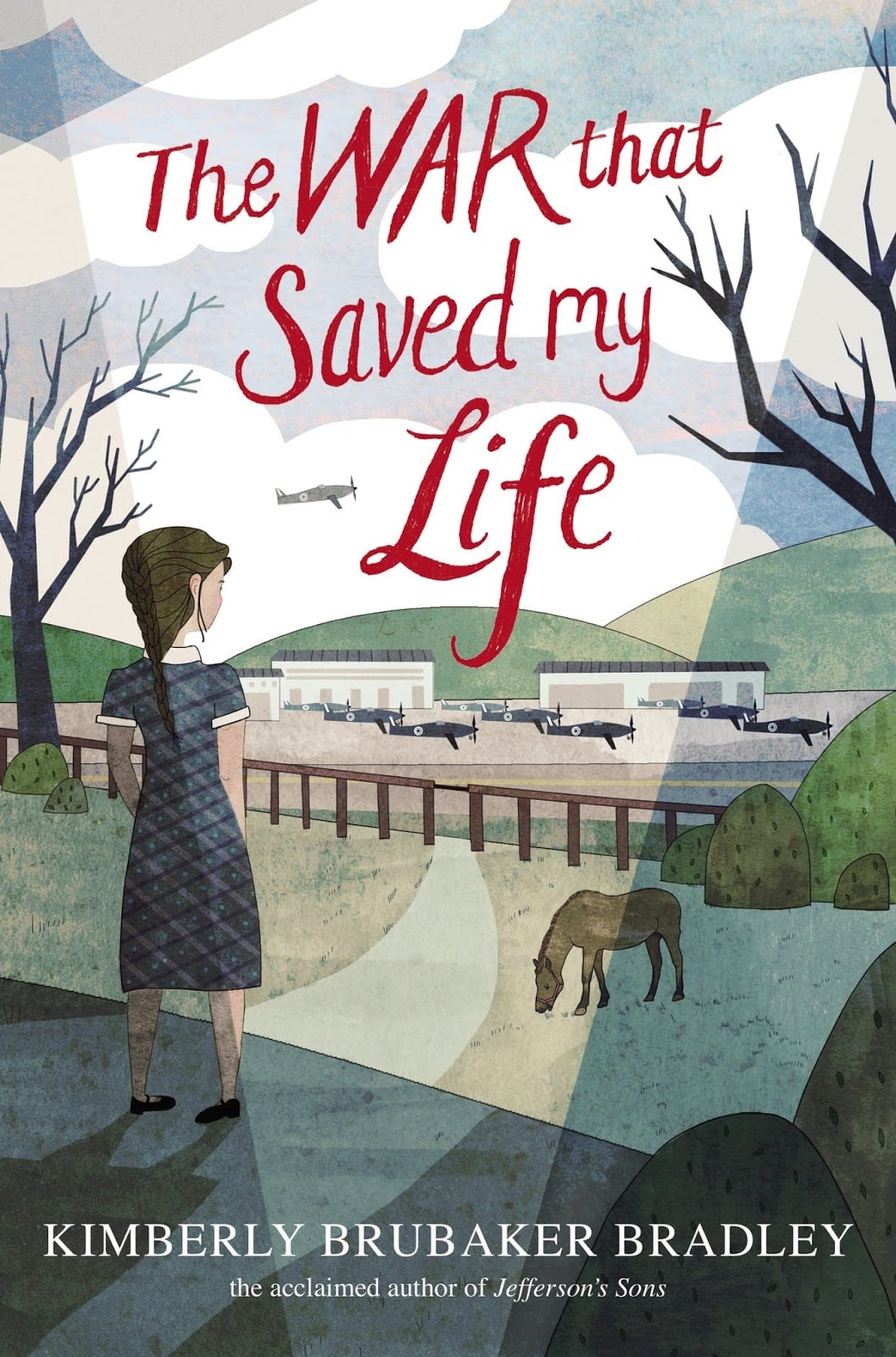
The War That Saved My Life by Kimberly Brubaker Bradley tells the inspiring story of a girl with a clubfoot who escapes abuse and discovers her worth during World War II. This guide provides parents and teachers with reading level information, age recommendations, content insights, and discussion questions for this Newbery Honor novel about resilience, healing from trauma, and finding family in unexpected places.
For Parents
Find the right reading level for your child, understand the book’s portrayal of child abuse and disability, and get conversation starters to help your child explore themes of healing, self-worth, and unconditional love.
For Teachers
Access grade-level guidance, reading metrics, character analysis support, and thematic discussion questions perfect for classroom use. This Newbery Honor book offers rich opportunities for exploring World War II history, disability representation, and trauma recovery.
The War That Saved My Life at a Glance
Find on Amazon →| Author | Kimberly Brubaker Bradley |
| Published | 2015 |
| Grade Level | 4–6 (our assessment) |
| Recommended Age | 9–12 |
| Flesch-Kincaid Grade | 5.0 |
| Word Count | ~77,000 |
| Pages | 316 (standard hardcover) |
| Chapters | 53 |
| Genre | Historical fiction / World War II |
| Setting | London and Kent, England, 1939–1940 |
| Awards | Newbery Honor (2016), Schneider Family Book Award |
For official Lexile and AR levels, visit Lexile.com or AR BookFinder. ReadingVine provides independent editorial assessments.
What Reading Level Is The War That Saved My Life?
The War That Saved My Life is appropriate for grades 4–6, with a Flesch-Kincaid grade level of 5.0. The vocabulary is accessible with some British terms and World War II historical language. Kimberly Brubaker Bradley’s prose is clear and engaging, using a first-person perspective that makes Ada’s voice immediate and compelling. The short chapters and fast-moving plot help maintain reader engagement despite the book’s length.
Bradley’s writing style is direct and emotionally honest. Ada narrates her story in a straightforward voice that reflects both her lack of formal education and her sharp intelligence. The language is simple but never simplistic—Bradley trusts young readers to handle difficult topics like abuse, disability, and war. The historical details are woven naturally into the narrative, teaching about World War II evacuation, the Battle of Britain, and life in wartime England without overwhelming readers with information.
While strong fourth graders can handle the reading mechanics, the story resonates most deeply with readers ages 9–12 who can understand the emotional complexity of Ada’s journey from abuse victim to beloved child, appreciate the historical context of World War II, and process themes about self-worth, healing from trauma, and learning to trust. The book rewards readers who enjoy historical fiction, stories about overcoming adversity, and character-driven narratives about personal transformation.
What Age Is The War That Saved My Life Appropriate For?
The War That Saved My Life is most appropriate for readers ages 9–12. The story deals with child abuse, disability discrimination, and World War II violence, but handles these topics thoughtfully and age-appropriately. Bradley never shies away from Ada’s suffering but also never dwells on it gratuitously. The focus is on healing and hope rather than trauma itself.
Child abuse and neglect: Ada’s mother is emotionally and physically abusive. She keeps Ada locked indoors, calls her worthless, and treats her with cruelty because of her clubfoot. This abuse is portrayed honestly but not graphically.
Disability and medical neglect: Ada has an uncorrected clubfoot that causes pain and makes walking difficult. Her mother refused medical treatment. The book addresses disability discrimination and ableism.
War violence: The story includes air raids, bombings, evacuations, and the threat of Nazi invasion. While not graphic, the danger is real and can be scary.
Trauma and healing: Ada exhibits behaviors consistent with trauma—difficulty trusting, expecting abuse, self-hatred. Her healing journey is gradual and realistic.
Death and loss: Characters die in the war, including people Ada knows. The losses are sad but handled with sensitivity.
What’s NOT in the book: No graphic violence, no sexual content, no detailed descriptions of abuse. The ending is hopeful—Ada gets surgery for her foot, remains in Susan’s care with Susan’s love, and begins to heal emotionally. The book’s message is ultimately about resilience, the power of love to heal trauma, and discovering your own worth despite what others have told you about yourself.
What Is The War That Saved My Life About?
Ten-year-old Ada has never left her London apartment. She has a clubfoot that her mother considers shameful and embarrassing. Mam keeps Ada locked inside, hidden from the world, while Ada’s younger brother Jamie goes to school and plays outside. Mam tells Ada she’s worthless, disgusting, and should be grateful Mam didn’t send her to an institution. Ada teaches herself to read from scraps of newspaper and spends her days looking out the window at the life she’s not allowed to have.
When World War II begins in September 1939, the British government evacuates London children to the countryside to keep them safe from expected German bombing. Jamie is supposed to go, but Ada makes a bold decision—she’ll go too. She’s never walked properly because her foot was never corrected, but she teaches herself to walk through sheer determination and pain, hiding her efforts from Mam. When evacuation day comes, Ada and Jamie sneak away together.
They arrive in the village of Kent, where no one wants to take them. Ada is dirty, poorly dressed, and hostile. Jamie wets the bed. Most importantly, no one expected Ada—Mam never registered her. Finally, Susan Smith, a young woman who never wanted children and is grieving her own losses, reluctantly takes them in. Susan is cold and unwelcoming at first, viewing the children as an unwanted burden forced upon her by the war.
Life with Susan is nothing like life with Mam, but Ada doesn’t understand this at first. When Susan provides food, Ada expects it to be taken away. When Susan offers kindness, Ada waits for the punishment. Ada has been taught she’s worthless and disgusting, and she believes it completely. She expects Susan to send them back to London, to hurt them, to confirm what Mam always said. But Susan, despite her initial reluctance, begins to care for the children. She buys them clothes, feeds them properly, and most importantly, treats them with basic kindness and respect. She notices Ada’s foot and arranges for medical care.
Ada discovers horses and is immediately drawn to them. Susan’s neighbor, Lady Thorton, allows Ada to learn to ride despite her foot. On horseback, Ada is free—her disability doesn’t matter, and she experiences joy and competence for the first time in her life. Riding becomes Ada’s passion and her path to confidence. As the war intensifies, the Battle of Britain brings air raids and danger even to the countryside. But through it all, Susan provides stability.
The relationship between Ada and Susan evolves slowly. Susan is dealing with her own grief and struggles. The children force her back into life, and gradually she realizes she loves them. Ada, meanwhile, is learning what love looks like. Midway through the book, Mam comes to take the children back to London. Ada is terrified, but this visit crystallizes everything for Susan. Seeing Mam’s cruelty makes Susan realize how much she loves these children. When Mam tries to take them, Susan refuses and reports the abuse to authorities.
Ada undergoes surgery for her clubfoot. The recovery is painful and ongoing. More important than the physical healing is the emotional healing—Ada is beginning to understand that she has value, that she deserves love, and that Susan truly wants her. The book ends as the Battle of Britain concludes. Ada and Jamie remain in Susan’s care. Ada has learned to trust, to accept love, and to see herself as worthy. The war, terrible as it is, gave Ada the chance to escape her prison and discover who she really is.
The War That Saved My Life Characters
The War That Saved My Life Themes and Lessons
At its heart, The War That Saved My Life is about healing from trauma and learning that you have value despite what abusers have told you. Ada has internalized her mother’s cruelty—she believes she’s worthless, disgusting, and unlovable. Her journey is about unlearning these lies and discovering her own worth. Susan provides unconditional love and acceptance, but Ada can’t receive it immediately because she doesn’t believe she deserves it. The book shows that healing from abuse takes time, that trust must be earned, and that recovery is gradual and realistic. This honest portrayal helps readers understand trauma recovery.
The book also addresses disability representation and the fight for dignity and independence. Ada’s clubfoot is treatable, but her mother refused treatment out of shame and cruelty. The book shows how disability discrimination isolates and harms people, denying them opportunities and basic rights. But it also shows that disability doesn’t define worth—Ada is brave, intelligent, and capable long before her foot is surgically corrected. Her ability to ride horses despite her clubfoot proves that accommodations and opportunities matter. The book teaches that everyone deserves medical care, that disability is not shameful, and that people with disabilities can do remarkable things when given the chance.
Discussion questions for families:
- How does Ada’s view of herself change throughout the book? What helps her start to believe she has value?
- Why does the title say the war “saved” Ada’s life? In what ways did the war give her opportunities she never would have had?
- How does Susan change from the beginning to the end? What do the children teach her?
- What does learning to ride horses mean for Ada? How does it change how she sees herself?
How Many Pages and Chapters in The War That Saved My Life?
The War That Saved My Life has 316 pages in the standard hardcover edition and is divided into 53 chapters. The word count is approximately 77,000 words. The chapters average about 6 pages each and follow Ada’s journey from London to Kent and through her first year with Susan.
For independent readers in the target age range (9–12), the book typically takes 8–10 hours to complete, or about two to three weeks of reading 30–45 minutes per day. The short chapters provide natural stopping points, and Ada’s compelling voice keeps readers engaged. As a read-aloud, it takes approximately 6–7 hours total. The book provides excellent opportunities to discuss child abuse, disability rights, World War II history, and what healing from trauma looks like.
Books Similar to The War That Saved My Life
If your child enjoyed The War That Saved My Life, here are six similar books:
About Kimberly Brubaker Bradley
Kimberly Brubaker Bradley wrote The War That Saved My Life, published in 2015, which won a Newbery Honor in 2016 and the Schneider Family Book Award. The book became a bestseller and is widely taught for its honest portrayal of abuse, disability, and WWII history. Bradley researched Operation Pied Piper, which evacuated over three million British children. Ada’s character explores disability representation—her clubfoot is significant but doesn’t define her. Bradley researched talipes equinovarus and 1940s surgical treatments. The emotional abuse reflects real patterns Bradley researched carefully. The sequel, The War I Finally Won (2017), continues Ada’s healing journey. The book teaches about WWII history, disability rights, abuse effects, and the transformative power of unconditional love.
The War That Saved My Life: Frequently Asked Questions
What happens at the end of The War That Saved My Life?
Ada has surgery to correct her clubfoot and begins her recovery. Susan takes full responsibility for Ada and Jamie’s care after Mam’s abuse is reported to authorities, though the full legal resolution continues in the sequel. Ada learns to trust Susan’s love and believe she has worth. The Battle of Britain ends. The ending is hopeful—Ada has found a family, is recovering from surgery, can ride horses, and knows she’s loved. The war gave her the opportunity to escape abuse and discover who she really is.
What is Ada’s disability in The War That Saved My Life?
Ada has clubfoot, a congenital condition where the foot is twisted inward and downward. Her foot was never medically treated—her mother refused treatment out of shame. The untreated clubfoot made walking difficult and painful. When Susan takes Ada to a doctor, he confirms that surgery can help. Ada eventually has the surgery, and while recovery is painful and ongoing, the procedure improves her condition. The book shows how medical neglect compounds disability and that Ada was brave and valuable before surgery.
Is The War That Saved My Life appropriate for 4th grade?
It can work for fourth graders as a class read-aloud with teacher guidance, though fifth and sixth graders handle the emotional content more easily. The reading level is accessible to strong fourth graders. However, it deals with child abuse, disability discrimination, and war violence requiring maturity. Fourth graders may need support discussing the abuse. For independent reading, fifth grade and up is generally better.
Is The War That Saved My Life based on a true story?
No, it’s fiction. However, it’s grounded in real historical events. The evacuation of British children during WWII really happened—Operation Pied Piper evacuated over three million children. Ada’s experience reflects real evacuees. Bradley researched extensively. While Ada is fictional, her situation reflects real cases where evacuees from abusive homes found loving families. The historical context and emotional truth are real.
What is the main message of The War That Saved My Life?
The main message is that everyone has inherent worth regardless of what others say, and love can heal deep trauma. Ada learns to unlearn lies that she’s worthless. The book teaches abuse is never the victim’s fault, healing takes time, and chosen family is real. The war gave Ada the chance to escape abuse. It teaches about disability rights—people with disabilities deserve care and opportunities, and disability doesn’t determine worth.
Does The War That Saved My Life have a sequel?
Yes, the sequel is The War I Finally Won (2017), continuing Ada’s story through later WWII years. While her clubfoot is corrected, Ada still struggles with psychological effects of abuse. The sequel shows healing isn’t instant—Ada makes progress but has setbacks, which is realistic. Both books provide a complete arc from abused child to beloved daughter.
Why does Ada’s mother keep her locked up?
Ada’s mother keeps her locked up because she’s ashamed of Ada’s clubfoot and views disability as embarrassment. Mam is cruel and ableist. She tells Ada she’s disgusting and must stay hidden. Mam denies education and medical care out of shame and control. The abuse reflects real patterns where parents scapegoat children viewed as imperfect. The book shows this is entirely Mam’s fault.
What age is Ada in The War That Saved My Life?
Ada is ten years old at the beginning in September 1939, and eleven by the end. Her brother Jamie is six. Being ten means Ada is old enough to understand and make the brave decision to escape, but young enough that with love she can heal. The sequel continues from ages eleven to fifteen.