
 = Partner Site
The Wind in the Willows Reading Level: A Complete Guide
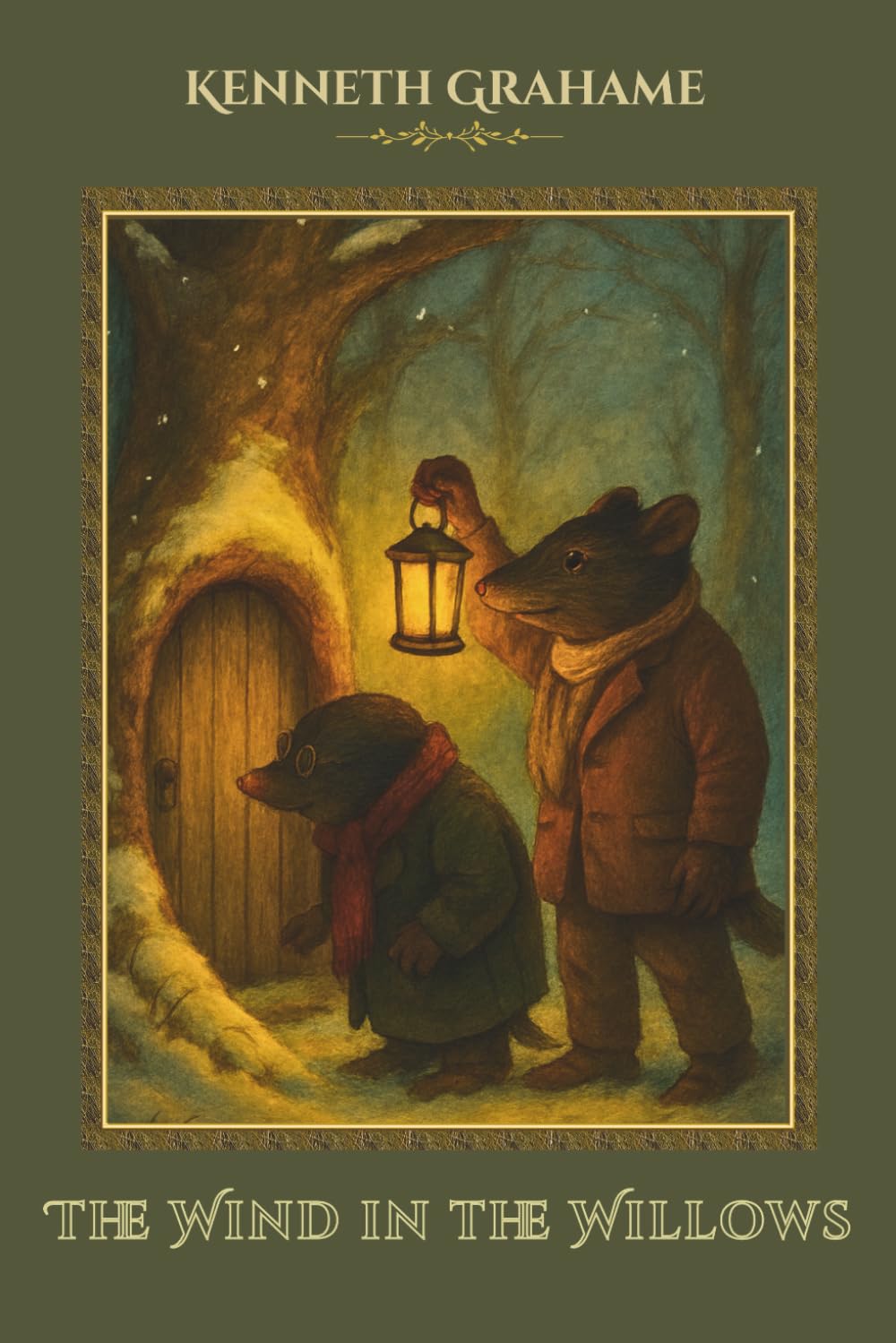
The Wind in the Willows by Kenneth Grahame follows the adventures of four animal friends—Mole, Rat, Toad, and Badger—along an English riverbank, celebrating friendship, nature, and the simple joys of home. This guide provides parents and teachers with reading level information, age recommendations, content insights, and discussion questions for this beloved classic about companionship, belonging, and the beauty of the natural world.
For Parents
Find the right reading level for your child, understand the book’s gentle pacing and rich language, and get conversation starters to help your child explore themes about friendship, home, and the joy of simple pleasures.
For Teachers
Access grade-level guidance, reading metrics, character analysis support, and thematic discussion questions. This Edwardian classic offers rich opportunities for exploring pastoral literature, anthropomorphic animal characters, and the celebration of nature and friendship.
The Wind in the Willows at a Glance
Find on Amazon →| Author | Kenneth Grahame |
| Published | 1908 |
| Grade Level | 4–6 (our assessment) |
| Recommended Age | 9–12 |
| Flesch-Kincaid Grade | 7.8 |
| Word Count | ~66,000 |
| Pages | ~272 (standard paperback) |
| Chapters | 12 |
| Genre | Classic fiction / pastoral / animal fantasy |
| Setting | English countryside along a river, Edwardian era (~1900s) |
| Awards | Classic (one of the most beloved children’s books) |
For official Lexile and AR levels, visit Lexile.com or AR BookFinder. ReadingVine provides independent editorial assessments.
What Reading Level Is The Wind in the Willows?
The Wind in the Willows is appropriate for grades 4–6, with a Flesch-Kincaid grade level of 7.8. The vocabulary is sophisticated and reflects Edwardian-era English with extensive nature descriptions and a leisurely narrative pace. Grahame’s prose is lyrical and romantic, built for atmosphere and beauty rather than fast-paced action. The elevated score reflects long sentences, archaic terms, and poetic language that require patience and careful reading.
Kenneth Grahame’s writing style is warm, gentle, and deeply affectionate toward both his characters and the natural world they inhabit. The book is episodic—each chapter is often a self-contained adventure—which makes it excellent for serial reading but means there’s less narrative urgency than plot-driven stories. The famous chapter “The Piper at the Gates of Dawn” is particularly lyrical and philosophical, celebrating the mystical beauty of nature in language that approaches poetry.
The story resonates most deeply with readers ages 9–12 who can appreciate the celebration of simple pleasures (rowing boats, having picnics, being with friends), follow the gentler pace, and connect with themes about home, belonging, and loyalty. Strong fourth graders can manage the reading level, though the pacing and descriptive style work best for readers comfortable with slower, character-driven narratives.
What Age Is The Wind in the Willows Appropriate For?
The Wind in the Willows is most appropriate for readers ages 9–12. The book is exceptionally gentle, with no graphic violence, trauma, or disturbing content. Some mild conflict occurs—Toad steals motor cars, is imprisoned, and the Wild Wooders take over Toad Hall—but these events are presented in a light, adventurous tone and are resolved without harm to the main characters. Overall, the story remains warm, reassuring, and focused on friendship, home, and belonging.
Edwardian class attitudes: The book reflects early 20th-century English class structure. The River Bankers (Mole, Rat, Badger, Toad) are genteel and refined, while the Wild Wooders (weasels, stoats, ferrets) are lower class and unruly. This may require contextual discussion.
Toad’s behavior: Toad is vain, reckless, and prone to obsession. He steals a motor car and escapes from jail. His behavior is portrayed as comically foolish rather than truly criminal, but it’s worth noting.
Slow pacing: Some children find the book slow, especially early chapters focused on Mole and Rat’s quiet pleasures on the river. Readers who prefer action may struggle with the contemplative tone.
What’s NOT in the book: No violence, no death (except off-page background), no scary content. The book ends joyfully with the four friends reunited and Toad humbled by his experiences, though his impulsive nature remains part of his character. The overall tone is warm, cozy, and affirming, celebrating friendship, home, nature, and the joy of simple pleasures.
What Is The Wind in the Willows About?
Mole is spring-cleaning his underground home when he’s suddenly overcome by wanderlust. He abandons his broom and burrows up to the surface, discovering the meadows, flowers, and sunshine for the first time in months. His wanderings lead him to the riverbank, where he meets Water Rat—a poetic, hospitable creature who lives in a comfortable hole by the river and loves nothing more than “messing about in boats.”
Rat takes Mole out in his boat, and Mole is enchanted. They become fast friends, and Mole essentially moves in with Rat, learning the ways of the river. The river becomes Mole’s new world—they row, they picnic, they visit neighbors. It’s an idyllic life of leisure and companionship.
Their peaceful existence is interrupted by news of Toad, a wealthy, enthusiastic, and easily obsessed resident of Toad Hall. Toad has a new passion: caravanning. He convinces Rat and Mole to join him on a caravan journey, which ends in disaster when Toad becomes mesmerized by a motor car that crashes into their caravan. Toad instantly abandons caravanning for motoring, beginning a new obsession that will cause endless trouble.
Toad’s motor car mania spirals out of control. He crashes car after car, spending enormous sums and terrorizing the countryside with reckless driving. His friends—Rat, Mole, and the stern, wise Badger—try to intervene, even locking Toad in his room to cure him. But Toad escapes, steals another motor car, and ends up arrested and thrown in the “deepest dungeon of the best-guarded castle in all the land.” He’s sentenced to twenty years in prison.
Meanwhile, Mole—emboldened by time with Rat—ventures into the Wild Wood in winter to visit Badger, gets lost, and is terrified by the unfamiliar woods and the threatening eyes of weasels and stoats watching from the shadows. Rat rescues him, and together they stumble upon Badger’s underground home. Badger, gruff but kind, becomes part of their circle of friends.
Back in prison, Toad is miserable until the jailer’s daughter takes pity on him. She helps him escape by dressing him as a washerwoman. Toad flees, steals yet another motor car (from the very people who had him arrested), and goes on the run. After a series of comic adventures—including being thrown off a barge and hitching a ride on a train—he makes his way back toward home.
But home is not safe. While Toad was in prison, the Wild Wooders (weasels, stoats, and ferrets) have taken over Toad Hall. They’re living there, throwing parties, and making a mess of Toad’s ancestral home. Badger, Rat, and Mole rally to help Toad reclaim his Hall. Using Badger’s knowledge of a secret underground passage, the four friends launch a surprise attack during a Wild Wood celebration. They rout the invaders and reclaim Toad Hall.
The book ends with a great banquet at Toad Hall. Toad, chastened (at least for the moment) by his experiences, attempts to be modest and gracious. The four friends are together, Toad Hall is restored, and life returns to its pleasant rhythms. The final image is of companionship, home, and contentment—everything Grahame valued most.
The Wind in the Willows Characters
The Wind in the Willows Themes and Lessons
At its heart, The Wind in the Willows is a celebration of friendship and the idea that home—whether it’s Mole’s underground burrow, Rat’s riverbank hole, or Toad Hall—is the place where you’re most yourself and most content. Mole’s adventure teaches him that while exploring the world is wonderful, there’s joy in returning home. Rat knows instinctively that “there is nothing—absolutely nothing—half so much worth doing as simply messing about in boats,” which is Grahame’s way of saying that the best life is one of simple pleasures enjoyed with friends.
The book also explores the tension between adventure and contentment. Toad represents restless craving for novelty—each new obsession promises fulfillment but leads only to disaster. His friends, by contrast, find joy in the familiar: the river, the seasons, each other’s company. Grahame suggests that true happiness comes not from chasing new experiences but from appreciating what you have. The famous chapter “Dulce Domum” (Sweet Home) shows Mole, in the midst of adventure, suddenly overcome by longing for his simple underground home—a reminder that belonging matters more than excitement.
Discussion questions for families:
- Why does Mole decide to leave his home at the beginning? What does he learn from his time on the river?
- How are Toad’s obsessions different from Rat’s love of the river?
- Why do Rat, Mole, and Badger keep helping Toad even when he causes so much trouble?
- What does Grahame mean when Rat says there’s nothing better than “messing about in boats”?
How Many Pages and Chapters in The Wind in the Willows?
The Wind in the Willows is approximately 272 pages in standard editions and is divided into 12 chapters. The word count is about 66,000 words. Chapters are long (averaging over 20 pages) and self-contained, making the book episodic in structure. Each chapter often focuses on a single adventure or theme.
For independent readers ages 9–12, the book typically takes 6–8 hours to read. The descriptive passages and leisurely pace mean readers need patience, but those who settle into Grahame’s rhythms find it deeply rewarding. As a read-aloud, it takes approximately 5–6 hours and works beautifully in installments. The lyrical language is wonderful to hear spoken aloud, and the episodic structure makes it natural to read a chapter at a time over several weeks.
Books Similar to The Wind in the Willows
About Kenneth Grahame
Kenneth Grahame (1859–1932) was born in Edinburgh, Scotland, and worked for many years as a secretary at the Bank of England. The Wind in the Willows began as bedtime stories he told his young son Alastair (nicknamed “Mouse”), elaborating the adventures of Toad, Mole, Rat, and Badger over many nights. The book was published in 1908 and drew mixed initial reviews—some critics found it too whimsical or couldn’t understand its appeal. But children and discerning adults recognized its genius immediately. The book became a classic and has never been out of print. Grahame based the riverbank setting on the Thames near his childhood home and later on the countryside where he lived in Berkshire. The animals’ world reflects Grahame’s own nostalgia for a simpler, pastoral England that was disappearing in the face of industrialization—Toad’s motor cars represent modernity intruding on timeless rural life. The famous chapter “The Piper at the Gates of Dawn” reflects Grahame’s mystical reverence for nature, while the Toad sections show his gift for comedy. Grahame wrote other works, including The Golden Age and Dream Days, but The Wind in the Willows remains his masterpiece. The book has been adapted for stage, screen, and television numerous times. Tragically, Grahame’s son Alastair, for whom the stories were written, died by suicide at age 19, two years before the book’s success was fully established. The Wind in the Willows endures as one of the great classics of children’s literature, celebrating friendship, the beauty of nature, and the profound importance of home.
The Wind in the Willows: Frequently Asked Questions
What grade level is The Wind in the Willows?
The Wind in the Willows is appropriate for grades 4–6 (ages 9–12). The Flesch-Kincaid level of 7.8 reflects Edwardian-era English with sophisticated vocabulary, long sentences, and extensive nature descriptions. The leisurely pace and lyrical style require patience. Strong fourth graders can manage the reading level with support, though fifth and sixth graders will appreciate the gentle humor and themes more fully. The book rewards readers who don’t mind slower pacing and enjoy descriptive, atmospheric writing. It’s excellent as a family read-aloud for slightly younger readers who might struggle with independent reading at this level.
What is The Wind in the Willows about?
The Wind in the Willows follows four animal friends—Mole, Water Rat, Badger, and Toad—through a series of adventures along an English riverbank. Mole leaves his underground home and discovers the river, where he becomes best friends with Rat. They enjoy simple pleasures: rowing boats, having picnics, exploring. Their peaceful life is disrupted by Toad, a wealthy but foolish character whose obsession with motor cars leads to disaster—he crashes cars, gets arrested, escapes from prison disguised as a washerwoman, and loses his home to Wild Wood invaders. The four friends work together to help Toad reclaim Toad Hall and restore order. The book celebrates friendship, the beauty of nature, the importance of home, and the joy of simple pleasures. It’s gentle, episodic, and deeply warm.
Why is it called The Wind in the Willows?
The title The Wind in the Willows evokes the natural, pastoral setting of the riverbank where most of the story takes place. Willows grow along rivers and streams, and the image of wind moving through willow branches suggests gentle movement, natural beauty, and the peacefulness of the countryside. The title captures the book’s reverent, almost mystical attitude toward nature and the simple life lived close to the natural world. It’s a poetic, evocative title that promises a story about the outdoors and a quieter, gentler time. Some readers interpret “the wind in the willows” as representing the call of adventure and freedom—the restlessness that makes Mole leave his home in spring, or the wild impulses that drive Toad’s obsessions. The title is deliberately open to interpretation, fitting for a book that blends pastoral celebration with gentle adventure.
Is The Wind in the Willows appropriate for kids?
Yes, The Wind in the Willows is entirely appropriate for children ages 9 and up. The book is exceptionally gentle—there’s no violence, no death, no scary content. Toad gets into trouble (stealing motor cars, escaping from prison) but his misadventures are portrayed as comically foolish rather than truly criminal or frightening. The Wild Wooders take over Toad Hall but are easily defeated. Everything ends happily with the four friends together. The main challenge for young readers is not content but style—the Edwardian prose is leisurely and descriptive, which some children find slow. Readers who enjoy atmospheric, character-driven stories with gentle humor will love it. Those who prefer fast-paced action may struggle with the contemplative tone, especially in early chapters focused on Mole and Rat’s quiet pleasures on the river.
What happens to Toad at the end of The Wind in the Willows?
At the end of The Wind in the Willows, Toad successfully reclaims Toad Hall with the help of his three friends. Using Badger’s knowledge of a secret underground passage, they launch a surprise attack during a Wild Wood celebration and drive out the weasels, stoats, and ferrets who had taken over Toad’s home. Toad hosts a great banquet to celebrate, and—chastened by his experiences in prison and his friends’ loyalty—he attempts to be modest and gracious rather than his usual boastful self. The book ends with the four friends together at Toad Hall, everything restored to order. Grahame hints that Toad’s reformation might not last forever (his vanity is deeply ingrained), but for now he’s genuinely grateful and trying to be better. It’s a warm, happy ending celebrating friendship, loyalty, and the joy of home.
Who are the main characters in The Wind in the Willows?
The four main characters are Mole, Water Rat (called Ratty), Badger, and Toad. Mole is gentle, domestic, and learning to be brave—he leaves his underground home to discover the river and becomes Rat’s best friend. Rat is poetic, hospitable, and loves “messing about in boats”—he’s content with simple pleasures and serves as Mole’s guide to the river. Badger is stern, wise, and solitary—he lives in the Wild Wood and takes charge when serious problems arise, particularly with Toad. Toad is wealthy, vain, enthusiastic, and reckless—his obsessions (first caravanning, then motor cars) cause endless chaos, but his friends remain loyal to him despite his faults. Together they represent different aspects of friendship and different approaches to life, but they’re bound by genuine affection and loyalty.
What is the moral of The Wind in the Willows?
The Wind in the Willows celebrates friendship, the importance of home, and the idea that simple pleasures are the best pleasures. The book teaches that true happiness comes not from chasing novelty or status (as Toad does with his motor car obsession) but from appreciating what you have: good friends, a comfortable home, and the beauty of nature. Mole learns that while adventure is wonderful, there’s deep joy in returning home. Rat demonstrates that contentment comes from simple activities done with people you love—rowing on the river, sharing a meal, enjoying the seasons. Even Toad, despite his wealth and grand estate, finds that what matters most is the loyalty of his friends. The book also teaches forgiveness—Rat, Mole, and Badger keep helping Toad despite his repeated foolishness, showing that true friendship means standing by people even when they make mistakes. Overall, the message is gentle and affirming: be loyal, appreciate the simple things, and remember that home and friendship are what truly matter.
When was The Wind in the Willows written?
The Wind in the Willows was published in 1908. Kenneth Grahame wrote it based on bedtime stories he had been telling his young son Alastair (nicknamed “Mouse”) for several years. The book reflects Edwardian England—a period of relative peace and prosperity before World War I, characterized by a slower pace of life and a romantic view of the countryside. The motor cars that obsess Toad were a new and controversial technology at the time, representing modernity’s intrusion into rural life. Grahame’s pastoral vision was already somewhat nostalgic when he wrote it—he was mourning a simpler England that industrialization was transforming. The book received mixed initial reviews but found its audience quickly among children and discerning adults. It has remained continuously in print for over 115 years and is now considered one of the greatest classics of children’s literature.