
 = Partner Site
The Secret Garden Reading Level: A Complete Guide
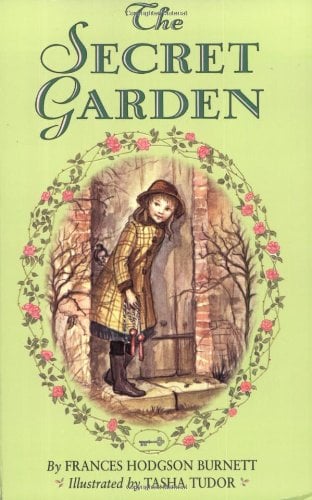
The Secret Garden by Frances Hodgson Burnett tells the timeless story of a spoiled, lonely girl who discovers a hidden garden and, through tending it, heals herself and those around her. This guide provides parents and teachers with reading level information, age recommendations, content insights, and discussion questions for this beloved classic about transformation, the healing power of nature, and the importance of hope and friendship.
For Parents
Find the right reading level for your child, understand the book’s themes about grief, isolation, and healing, and get conversation starters to help your child explore ideas about friendship, nature, and personal transformation.
For Teachers
Access grade-level guidance, reading metrics, character analysis support, and thematic discussion questions. This classic offers rich opportunities for exploring Edwardian England, character development, and themes about the healing power of nature and positive thinking.
The Secret Garden at a Glance
Find on Amazon →| Author | Frances Hodgson Burnett |
| Published | 1911 |
| Grade Level | 4–6 (our assessment) |
| Recommended Age | 9–12 |
| Flesch-Kincaid Grade | 6.1 |
| Word Count | ~87,000 |
| Pages | 331 (standard paperback) |
| Chapters | 27 |
| Genre | Classic fiction / children’s literature |
| Setting | Yorkshire, England, Edwardian era (~1910) |
| Awards | Classic (widely considered one of the greatest children’s novels) |
For official Lexile and AR levels, visit Lexile.com or AR BookFinder. ReadingVine provides independent editorial assessments.
What Reading Level Is The Secret Garden?
The Secret Garden is appropriate for grades 4–6, with a Flesch-Kincaid grade level of 6.1. The vocabulary is more challenging than modern middle-grade novels, reflecting its early 20th-century origins, and includes British and Yorkshire dialect terms that may be unfamiliar. However, the story itself is engaging and accessible, and context clues help with unfamiliar words. The sentences are longer and more complex than contemporary fiction, which rewards patient readers.
Frances Hodgson Burnett’s writing style is rich and descriptive, with vivid evocations of the Yorkshire moors and the awakening garden. The narrative voice is warm and occasionally addresses readers directly. Yorkshire dialect is used for Dickon and Martha’s dialogue—words like “tha” (you), “nowt” (nothing), and “happen” (perhaps)—which adds authenticity but may require occasional pausing to understand. Most editions include a glossary.
The story resonates most deeply with readers ages 9–12 who can appreciate the gradual transformation of Mary from sullen and selfish to curious and caring, follow the parallel healing journeys of Mary, Colin, and Archibald Craven, and understand themes about grief, isolation, and the restorative power of nature and friendship. Strong fourth graders can manage it, but fifth and sixth graders will appreciate the emotional depth most fully.
What Age Is The Secret Garden Appropriate For?
The Secret Garden is most appropriate for readers ages 9–12. The book deals with parental death, grief, hypochondria, and childhood isolation, but handles these topics in ways appropriate for middle-grade readers. The tone is warm and ultimately hopeful—characters heal and transform.
Parental death: Mary’s parents die of cholera in India at the very beginning. Colin’s mother died at childbirth. These losses shape both children’s isolated, unhappy lives.
Neglect and emotional isolation: Mary is neglected by her parents and servants before being orphaned. Colin is coddled but isolated. Both children are deeply lonely.
Hypochondria and illness: Colin is convinced he’s ill and dying, though he’s physically healthy. His dramatic episodes may seem odd to modern readers but are central to his character arc.
Class attitudes: The book reflects early 20th-century British class attitudes. Servants are treated differently than their employers, and some period language may feel dated.
What’s NOT in the book: No violence, no scary content, no inappropriate material. The book is gentle and ultimately uplifting. The ending is joyful—Mary, Colin, and Archibald Craven are all transformed by the garden’s magic and by each other’s love. The book teaches that hope, nature, and genuine friendship can heal even the deepest grief and isolation.
What Is The Secret Garden About?
Ten-year-old Mary Lennox is selfish, contrary, and friendless. She’s grown up in India, spoiled by servants and ignored by her glamorous parents, who die suddenly in a cholera outbreak. Mary is sent to England to live with her reclusive uncle, Archibald Craven, at Misselthwaite Manor—a vast, gloomy estate on the Yorkshire moors. She arrives thin, yellow, and convinced no one will ever like her—and she’s not wrong, because she doesn’t particularly try to be likable.
At the manor, Mary is cared for by a warm housemaid named Martha, whose cheerful Yorkshire practicality bewilders Mary. Through Martha, Mary learns about the manor’s grounds and hears rumors of a secret garden that has been locked for ten years, ever since Archibald Craven’s beloved wife died there. Archibald locked the garden and buried the key, not wanting anyone to enter it. Mary becomes obsessed with finding this garden.
Exploring the grounds, Mary befriends a robin who leads her to the buried key. She finds the locked door hidden under climbing ivy and enters the secret garden for the first time. The garden is not dead—it’s overgrown and wild, but the roses are alive beneath the tangle. Mary begins working in the garden secretly, clearing weeds and coaxing plants from the soil. The outdoor work transforms her: she eats better, gains color in her cheeks, and begins to feel something she’s never felt before—interest in the world around her.
Mary meets Dickon, Martha’s twelve-year-old brother, who has an almost magical way with animals and plants. Dickon is kind, earthy, and genuinely good—he represents the natural world’s healing power. He helps Mary tend the secret garden, and the two become friends. Through Dickon, Mary learns to care about living things beyond herself.
One night, Mary hears crying echoing through the manor’s hallways. Following the sound, she discovers Colin Craven—her cousin, Archibald’s son. Colin has been kept hidden from visitors his entire life. He’s convinced he’s going to die young, like his mother, and has become tyrannical, demanding, and terrified of fresh air and exertion. He’s never been outside or made a friend.
Mary and Colin are immediately at odds—both are spoiled and accustomed to getting their way. But their similarities draw them together. Mary tells Colin about the secret garden, and gradually, Colin becomes desperate to see it. With careful secrecy, Colin is brought to the garden in his wheelchair. His first breath of fresh garden air, his first sight of growing things, transforms him immediately. He wants to come back every day.
Colin’s healing is rapid and remarkable. In the garden, surrounded by growing things and genuine friendship, he loses his obsession with illness and death. He begins to exercise, gaining strength. He keeps his recovery secret from the household servants, wanting to surprise his absent father. The garden becomes the three children’s (Mary, Dickon, and Colin) private world.
Meanwhile, Archibald Craven travels Europe in perpetual grief, unable to face Misselthwaite and his son, who reminds him of his dead wife. But something calls him home—a sense that the spirit of his dead wife is trying to reach him, telling him to go back. He returns to find Colin transformed: tall, healthy, running toward him across the garden. The reunion between father and son, in the secret garden that once symbolized only loss, is joyful and healing for both.
Mary, Colin, and Dickon have not just tended the garden—they’ve tended themselves and each other. Mary has become warm and curious. Colin has become strong and hopeful. Archibald has emerged from his grief to find his son alive and thriving. The secret garden, once locked away because it held too much grief, becomes a place of regeneration, friendship, and new life.
The Secret Garden Characters
The Secret Garden Themes and Lessons
At its heart, The Secret Garden is about the transformative power of nature, care, and genuine connection. Mary, Colin, and Archibald are all suffering from different forms of grief and isolation—they’ve all closed themselves off from the world in response to loss or fear. The garden represents the possibility of renewal: just as the garden isn’t dead but only dormant beneath neglect, these characters’ capacity for joy and love isn’t gone, only buried. Tending the garden teaches Mary and Colin to care for something beyond themselves, which opens them to caring for each other and ultimately for Archibald. The book teaches that growth—in gardens and in people—requires attention, love, and patience.
The book also explores positive thinking in an almost spiritual sense—Colin’s belief that magic exists in the garden, and that focusing on living and growing rather than dying, directly affects his health. Burnett was influenced by the New Thought movement, which emphasized the power of the mind over the body. For young readers, this translates into the idea that attitude matters: the way we think about ourselves and the world shapes our experience. Colin transformed not because of medicine but because he chose to believe he could be well and strong.
Discussion questions for families:
- How does Mary change from the beginning of the book to the end? What causes her to change?
- Why is the garden locked at the beginning? What does unlocking it symbolize?
- How do Mary and Colin help each other? What can they give each other that adults cannot?
- What does Dickon represent in the story? Why is he so different from Mary and Colin?
How Many Pages and Chapters in The Secret Garden?
The Secret Garden has approximately 331 pages in standard editions and is divided into 27 chapters. The word count is approximately 87,000 words. Chapters average about 12 pages and vary in pace—some focus on setting and atmosphere while others are action-driven.
For independent readers ages 9–12, the book typically takes 8–10 hours to complete. The early chapters can feel slow as Burnett establishes Mary’s character and the Yorkshire setting, but readers who persevere find the pace quickens considerably once Colin is introduced. As a read-aloud, the book takes approximately 6–7 hours. The Yorkshire dialect is fun to read aloud, and the garden descriptions are richly evocative. The book pairs beautifully with discussions about gardening, grief, and how environments shape our moods and wellbeing.
Books Similar to The Secret Garden
About Frances Hodgson Burnett
Frances Hodgson Burnett (1849–1924) was born in England and emigrated to the United States as a teenager. She became one of the most successful authors of her era, writing for both adults and children. The Secret Garden, published in 1911, is now considered her masterpiece, though it received modest initial attention. Her other beloved children’s novels include Little Lord Fauntleroy (1886) and A Little Princess (1905). Burnett was deeply influenced by the New Thought movement and Christian Science philosophy, which emphasized the power of positive thinking and the mind’s influence over the body—ideas that shape Colin’s healing arc in The Secret Garden. Burnett spent much of her adult life in England and was a passionate gardener; the Yorkshire setting and the garden’s imagery reflect her own deep love of growing things. She based aspects of the manor and landscape on Great Maytham Hall in Kent, where she gardened extensively. The Secret Garden has never been out of print and has been adapted for stage, film, and television numerous times. It remains beloved for its vivid characters, lush setting, and hopeful message that growth and transformation are always possible.
The Secret Garden: Frequently Asked Questions
What is the secret garden in The Secret Garden?
The secret garden is a walled garden on the grounds of Misselthwaite Manor that has been locked for ten years, ever since Archibald Craven’s wife died there after being struck by a falling tree branch. In his grief, Archibald locked the garden and buried the key, forbidding anyone to enter. Over the decade, the garden grew wild and overgrown but was not truly dead—the roses and other plants survived. Mary finds the buried key (with help from a robin), discovers the hidden door, and begins secretly tending the garden, bringing it back to life. The garden serves as the story’s central symbol: just as it appears dead but holds life within, the characters appear closed and hopeless but hold the capacity for growth and transformation.
Is The Secret Garden appropriate for 4th grade?
The Secret Garden can be appropriate for strong fourth graders, especially as a class read-aloud, though fifth and sixth graders are the ideal independent reading audience. The Flesch-Kincaid level of 6.1 reflects Victorian-era sentence complexity and vocabulary. The Yorkshire dialect and period language may slow some readers. Content-wise, the book is gentle—parental death is mentioned early, but the story quickly becomes a warm tale of transformation. Fourth graders who enjoy classic literature and are patient with descriptive passages will love it. Those who prefer faster-paced contemporary fiction may find it slow. As a family or classroom read-aloud with adult guidance, it works beautifully for grades 4 and up.
What is the main theme of The Secret Garden?
The main theme is the healing and transformative power of nature, care, and genuine human connection. All three central characters—Mary, Colin, and Archibald—are suffering from isolation and grief. The garden represents renewal: just as the neglected garden isn’t dead but dormant, these characters’ capacity for joy isn’t gone but buried. Tending the garden teaches Mary and Colin to care for something beyond themselves, opening them to caring for each other. A secondary theme is positive thinking—Colin’s healing comes largely from choosing to believe he can be well. The book teaches that growth requires attention, love, and patience, and that even those who seem beyond help can be transformed by connection with living things and genuine friendship.
Is The Secret Garden a classic?
Yes, The Secret Garden is one of the most celebrated classics of children’s literature. Published in 1911 by Frances Hodgson Burnett, it has never been out of print and is consistently listed among the greatest children’s novels ever written. It has been adapted for stage, film, and television many times, most notably in a 1993 film and a 2020 film adaptation. The book is taught in schools worldwide for its rich character development, vivid setting, and enduring themes about transformation and healing. Its influence on children’s literature is enormous—the idea of a child finding magic and healing in a secret natural space has inspired countless subsequent works. Despite being over 100 years old, the story’s emotional core—loneliness healed by nature and friendship—remains universally relatable.
Why does Mary change in The Secret Garden?
Mary changes because, for the first time in her life, she has something to care about beyond herself. In India, she was neglected and self-absorbed because no one modeled love or care for her. At Misselthwaite, Martha’s cheerful warmth and the mystery of the secret garden give Mary something to be curious about. When she begins tending the garden, she experiences the satisfaction of nurturing living things—watching plants she’s cared for grow and bloom. This care for something outside herself gradually expands to caring for people: Dickon, then Colin. Nature physically transforms her too—outdoor work gives her appetite, color, and energy she never had. The garden also gives her agency: for the first time, she’s not passive but actively creating and improving something. This sense of purpose and capability, combined with genuine friendship, transforms Mary from a sullen, contrary child into a warm, curious, engaged one.
What happens to Colin in The Secret Garden?
Colin Craven is transformed from a bedridden, tyrannical hypochondriac into a healthy, strong, hopeful boy. At the beginning, Colin is convinced he will die young, like his mother, and uses illness as a way to control everyone around him. He’s never been outside, never made a friend, never done anything physical. When Mary introduces him to the secret garden, everything changes. Fresh air, exercise, friendship, and purpose—tending the garden together—heal Colin rapidly. He gains physical strength week by week, keeping his recovery secret from the household servants as a grand surprise. By the end of the book, Colin is running and healthy, ready to surprise his father. His reunion with Archibald in the garden is joyful—Colin has transformed from the ghost of a sick child into a vital, thriving boy. His healing is both physical and psychological: he’s let go of his obsession with death and embraced life.
How long is The Secret Garden?
The Secret Garden is approximately 331 pages in standard editions, with 27 chapters and about 87,000 words. It’s a substantial novel for middle-grade readers but not overwhelming, especially with the engaging story pulling readers through. The pacing varies—the opening chapters in India and the early chapters establishing Misselthwaite are slower and more atmospheric, while the middle and end of the book, once the garden and Colin are discovered, move at a brisk pace. For independent readers ages 9–12, it typically takes 8–10 hours to read. Reading 30 minutes per day, most children finish it in two to three weeks. As a classroom or family read-aloud, the Yorkshire dialect and vivid descriptions make it particularly satisfying to hear read aloud.
Does The Secret Garden have a sequel?
No, The Secret Garden does not have an official sequel by Frances Hodgson Burnett. The book ends satisfyingly with Colin’s reunion with his father and the garden fully restored—the story feels complete. Burnett wrote other beloved novels, including Little Lord Fauntleroy (1886) and A Little Princess (1905, which also features a resilient girl protagonist), but these are separate stories with different characters. However, the character of Mary Lennox and the garden have inspired numerous retellings, sequels by other authors, and adaptations. Most notably, a 2020 film adaptation updated the setting to post-WWII England. For readers who love The Secret Garden, A Little Princess by the same author is the closest companion—it features a similarly resilient girl protagonist dealing with loss and isolation, and displays Burnett’s characteristic themes of transformation and the power of imagination and inner life.