
 = Partner Site
A Farewell to Manzanar Reading Level: A Complete Guide
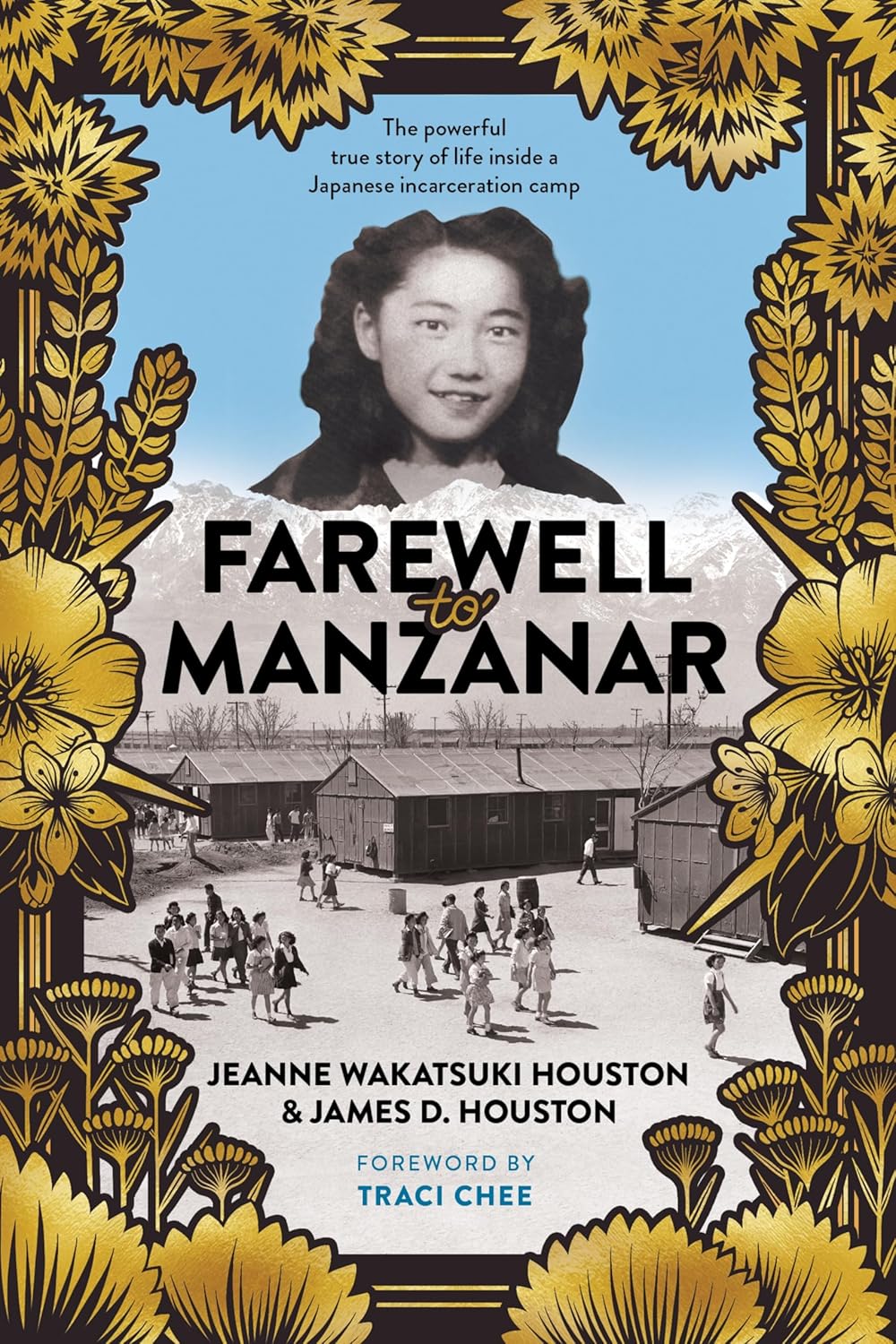
A Farewell to Manzanar by Jeanne Wakatsuki Houston and James D. Houston is a memoir about a Japanese American family’s internment during World War II, told through seven-year-old Jeanne’s eyes as she experiences the injustice of Manzanar camp and struggles with her identity afterward. This guide provides parents and teachers with reading level information, age recommendations, content insights, and discussion questions for this important memoir about injustice, resilience, and American history.
For Parents
Find the right reading level for your child, understand the book’s historical context and difficult content, and get conversation starters to help your child explore themes about injustice, identity, and resilience.
For Teachers
Access grade-level guidance, reading metrics, character analysis support, and thematic discussion questions. This Houston memoir offers rich opportunities for exploring World War II, Japanese American internment, civil rights, and memoir writing.
A Farewell to Manzanar at a Glance
Find on Amazon →| Author | Jeanne Wakatsuki Houston and James D. Houston |
| Published | 1973 |
| Grade Level | 6–8 (our assessment) |
| Recommended Age | 11–14 |
| Flesch-Kincaid Grade | 7.8 |
| Word Count | ~37,000 |
| Pages | ~209 (standard paperback) |
| Chapters | 22 |
| Genre | Memoir / historical nonfiction |
| Setting | California and Manzanar internment camp, 1942–1945 |
| Awards | Classic (essential WWII and civil rights reading) |
For official Lexile and AR levels, visit Lexile.com or AR BookFinder. ReadingVine provides independent editorial assessments.
What Reading Level Is A Farewell to Manzanar?
A Farewell to Manzanar is appropriate for grades 6–8, with a Flesch-Kincaid grade level of 7.8. The vocabulary is accessible, though the book includes Japanese terms and references to historical events that require context. Jeanne Wakatsuki Houston writes with clarity about her childhood experiences, making the memoir readable while addressing complex themes about racism, identity, and injustice.
The writing style blends child Jeanne’s immediate experiences with adult Jeanne’s reflection and understanding. Young Jeanne observes details—the dust storms, the barbed wire, her father’s drinking—without fully grasping their significance. Adult Jeanne provides context, explaining the political forces behind internment and the psychological impact on her family. This dual perspective makes the memoir accessible to middle school readers while providing depth and historical understanding.
The story resonates most deeply with readers ages 11–14 who are studying World War II or civil rights and can understand both the historical injustice of internment and Jeanne’s personal struggle with identity and shame. The book’s power comes from its honesty about difficult topics—racism, family dysfunction, cultural loss—handled with appropriate restraint for the age group.
What Age Is A Farewell to Manzanar Appropriate For?
A Farewell to Manzanar is most appropriate for readers ages 11–14. The book deals with difficult historical content including racism, forced imprisonment of innocent people, and family trauma, but handles these topics thoughtfully and age-appropriately.
Racial injustice: The book honestly portrays the racism Japanese Americans faced—being forcibly removed from homes, imprisoned without trial, treated as enemy aliens despite being American citizens.
Family dysfunction: Jeanne’s father Ko becomes an alcoholic in camp, turns violent, and psychologically abuses his family. The family nearly breaks apart under the strain of internment.
Identity and shame: Jeanne internalizes racism and feels ashamed of being Japanese. She tries to become “as American as possible” and dates only white boys, rejecting her heritage.
Harsh camp conditions: Families live in crowded barracks with no privacy, face dust storms, inadequate food, and constant surveillance.
What’s NOT in the book: No graphic violence, no deaths of family members, no sexual content. The book ends with adult Jeanne returning to Manzanar and beginning to heal from her internment trauma. The message is about resilience, the importance of remembering injustice, and reclaiming your identity.
What Is A Farewell to Manzanar About?
Seven-year-old Jeanne Wakatsuki lives with her family in Ocean Park, California, near Long Beach. Her father Ko is a fisherman who immigrated from Japan, and her mother Riku is Japanese American. Jeanne has nine older siblings. Life is comfortable until December 7, 1941, when Japan attacks Pearl Harbor. Everything changes immediately.
The FBI arrests Ko shortly after Pearl Harbor because he works in the fishing industry and has ties to Japan. The family doesn’t know where he is or whether he’s alive. Fear and suspicion surround all Japanese Americans. Within months, President Roosevelt signs Executive Order 9066, authorizing the forced removal and imprisonment of all people of Japanese ancestry from the West Coast—regardless of citizenship. Over 120,000 Japanese Americans, two-thirds of them U.S. citizens, are forced into internment camps.
The Wakatsuki family is given days to pack and must abandon their home, fishing boats, and most possessions. They’re sent first to the Santa Anita racetrack where they live in a horse stall, then to Manzanar War Relocation Center in California’s Owens Valley—a desolate area surrounded by barbed wire and guard towers.
Manzanar is in the middle of nowhere, 200 miles northeast of Los Angeles, with brutal weather—scorching heat in summer, freezing cold in winter, and constant dust storms. Ten thousand people are imprisoned there in crowded tar-paper barracks. Each family is assigned one room, regardless of size. The Wakatsukis—twelve people—live in one small space with no privacy. They eat in communal mess halls, use communal bathrooms with no partitions, and have little control over their lives.
Ko is eventually released and joins the family at Manzanar, but he’s a broken man. Once proud and authoritative, he’s been humiliated by his arrest and imprisonment. He becomes an alcoholic, sometimes violent, and psychologically abusive. He makes homemade sake from rice and fruit, drinks constantly, and rages at his family. Jeanne’s mother Riku holds the family together through Ko’s dysfunction, but the strain is enormous.
For young Jeanne, Manzanar is confusing. She’s too young to fully understand why they’re imprisoned or the injustice of their situation. In some ways, camp life is almost normal—she attends school, plays with friends, and experiences childhood adventures. She joins Girl Scouts, takes baton-twirling lessons, and doesn’t fully grasp that the barbed wire and guard towers mean they’re prisoners. But she also witnesses her family’s disintegration and absorbs the shame and fear around being Japanese.
As time passes, camp becomes its own community. People adapt, plant gardens, establish schools, and create some normalcy despite the circumstances. But tensions simmer. The government demands imprisoned men sign a loyalty oath and volunteer for military service—asking people to prove loyalty to a country that’s imprisoned them. The camp divides over whether to sign. Jeanne’s oldest brother Woody signs and joins the army. Others refuse, outraged at the hypocrisy.
In 1945, after three and a half years, the war ends and the camps close. The Wakatsukis face an uncertain future. They’ve lost everything—home, business, savings. Anti-Japanese sentiment remains high. Many internees have nowhere to go. The family eventually relocates to San Jose and tries to rebuild, but Ko never recovers. He remains broken, and the family struggles with poverty and his dysfunction.
For Jeanne, the hardest part comes after camp. As she grows up and attends school with white students, she internalizes the racism and shame. She tries desperately to be accepted, to be “American,” to prove she’s not the enemy. She dates only white boys, rejects Japanese culture, and wants to forget she was ever in camp. When elected carnival queen at her high school, she’s thrilled—finally accepted—but feels her father’s humiliation when he appears drunk at the ceremony in traditional Japanese clothing. She’s caught between two worlds, ashamed of both.
The memoir follows Jeanne into adulthood as she marries, has children, and slowly begins to confront what happened to her. For decades, she’s buried the memories of Manzanar and the shame of being imprisoned. She’s tried to forget. But eventually she realizes she must face the past to heal. In 1972, thirty years after internment, she and her husband James return to Manzanar. The camp is gone—just ruins and memories remain. Standing there, Jeanne finally allows herself to remember and feel the injustice of what happened.
The book ends with Jeanne understanding that forgetting doesn’t heal—it just buries the wound. She must acknowledge what was done to her family and thousands like them. By writing this memoir, she reclaims her story and ensures the injustice is remembered. She’s no longer ashamed to be Japanese American. She’s proud of her family’s resilience and determined that this kind of injustice never happen again.
A Farewell to Manzanar Characters
A Farewell to Manzanar Themes and Lessons
At its heart, A Farewell to Manzanar is about the injustice of imprisoning innocent people based on race and the long-lasting trauma this causes. Over 120,000 Japanese Americans—two-thirds U.S. citizens—were forcibly removed from their homes and imprisoned without trial, without charges, simply for having Japanese ancestry. The book teaches that this was fundamentally wrong and that fear and prejudice can lead democracies to violate their own principles. Jeanne’s story personalizes this historical injustice, showing its impact on one family and one child’s development.
The book also explores identity and the internalization of shame. Jeanne grows up believing something is wrong with being Japanese, that she must hide this part of herself to be accepted. She dates only white boys, rejects Japanese culture, and tries to forget Manzanar. This self-hatred comes from absorbing the racism around her. Only as an adult does she recognize that the shame belongs not to her but to those who imprisoned her. The book teaches that healing requires acknowledging what happened, reclaiming your identity, and refusing to accept others’ prejudice as truth about yourself. By returning to Manzanar and writing this memoir, Jeanne reclaims her story and honors her family’s resilience.
Discussion questions for families:
- Why was Japanese American internment wrong? What constitutional rights were violated?
- How does internment change Ko? Why does he never recover?
- Why does Jeanne feel ashamed of being Japanese? Where does this shame come from?
- Why does returning to Manzanar help Jeanne heal?
How Many Pages and Chapters in A Farewell to Manzanar?
A Farewell to Manzanar is approximately 209 pages in standard paperback editions and is divided into 22 chapters. The word count is about 37,000 words. Chapters are short (averaging 9-10 pages) and move between Jeanne’s childhood memories and adult reflection, making the book accessible despite difficult content.
For independent readers ages 11–14, the book typically takes 3–4 hours to read. The clear prose and short chapters make it manageable, though the content requires emotional maturity. As a read-aloud, it takes approximately 2.5–3 hours. The book is widely taught in middle school and high school, often in conjunction with World War II or civil rights units. It pairs well with primary sources about internment, visits to former camp sites, and discussions about constitutional rights and racial justice.
Books Similar to A Farewell to Manzanar
About Jeanne Wakatsuki Houston
Jeanne Wakatsuki Houston (born 1934) was seven years old when her family was imprisoned at Manzanar. She lived there from 1942 to 1945. For nearly thirty years afterward, she rarely spoke about the experience, trying to forget and move on. But the trauma remained, affecting her identity and relationships. In the early 1970s, she and her husband James D. Houston (a writer) decided to confront this history by writing A Farewell to Manzanar together. The memoir was published in 1973 and became a groundbreaking work that brought Japanese American internment into public consciousness. It was one of the first major books to document this injustice from a personal perspective. The book was adapted into a television movie in 1976 and has been continuously in print, taught in schools nationwide. Houston has spent decades speaking about internment, testifying before Congress, and advocating for civil rights. In 1988, the U.S. government formally apologized for internment and provided reparations to survivors. Houston’s memoir played a crucial role in this recognition of injustice. The book remains essential reading for understanding this dark chapter of American history and for teaching about racism, civil rights, and the importance of remembering injustice. Houston’s courage in confronting painful memories and sharing her story has ensured that thousands of students learn about internment and understand that constitutional rights must be protected for all people, especially during times of fear and crisis.
A Farewell to Manzanar: Frequently Asked Questions
What grade level is A Farewell to Manzanar?
A Farewell to Manzanar is appropriate for grades 6–8 (ages 11–14). The Flesch-Kincaid level of 7.8 reflects accessible prose with historical references. The content—racism, forced imprisonment, family dysfunction—requires emotional maturity. The memoir’s honesty about difficult topics makes it powerful but challenging. It’s widely taught in middle school and high school, often in World War II or civil rights units. The book requires historical context to fully understand but is essential reading for learning about Japanese American internment and the importance of protecting civil rights during crises.
Is A Farewell to Manzanar a true story?
Yes, A Farewell to Manzanar is a memoir—a true story based on Jeanne Wakatsuki Houston’s experiences. She was seven years old when imprisoned at Manzanar from 1942 to 1945. The events—her family’s forced removal, life in camp, her father’s alcoholism, her struggle with identity afterward—are real. She wrote the memoir thirty years later with her husband James D. Houston, combining her childhood memories with adult understanding and historical research. While dialogue is reconstructed from memory and some details may be shaped by time, the core experiences and historical facts are accurate. Over 120,000 Japanese Americans were imprisoned in camps like Manzanar during World War II—this happened, and Jeanne’s family was among them.
Why were Japanese Americans sent to internment camps?
After Japan attacked Pearl Harbor in December 1941, the U.S. government forcibly removed more than 120,000 Japanese Americans from the West Coast and incarcerated them in internment camps. The official justification was “military necessity,” based on fears—unsupported by evidence—that Japanese Americans might aid Japan. Two-thirds of those imprisoned were U.S. citizens. While some German and Italian nationals were also interned, Japanese Americans were the only group subjected to large-scale incarceration based primarily on ancestry, affecting entire communities, including citizens. No Japanese Americans were ever convicted of espionage or sabotage related to the West Coast during the war. In 1988, the U.S. government formally apologized through the Civil Liberties Act, acknowledging that internment had been driven by “race prejudice, war hysteria, and a failure of political leadership,” not military necessity. Internment violated fundamental civil rights and remains one of the most significant civil liberties injustices in American history.
What is the main message of A Farewell to Manzanar?
The main message is that imprisoning innocent people based on race is fundamentally wrong and causes lasting trauma, but remembering this injustice is essential to prevent it from happening again. The book teaches that fear and prejudice can lead democracies to violate their own principles, and that constitutional rights must be protected for all people, especially during crises. It also explores how internalized shame from racism damages identity, and that healing requires acknowledging what happened and reclaiming your story. Jeanne spent decades trying to forget Manzanar, but forgetting doesn’t heal—it just buries the wound. By confronting her memories and writing this memoir, she honors her family’s resilience and ensures this injustice is remembered. The book is a warning about the dangers of racial prejudice and a testament to the strength of those who survived.
Is A Farewell to Manzanar appropriate for middle school?
Yes, A Farewell to Manzanar is appropriate for middle school and is widely taught in grades 6–8. The book deals with difficult content—racism, forced imprisonment, family dysfunction, Ko’s alcoholism and violence—but handles these topics thoughtfully and age-appropriately. There’s no graphic violence, sexual content, or gratuitous detail. The book’s honesty about hard topics makes it valuable for teaching about civil rights, constitutional protections, and historical injustice. Teachers should provide historical context and be prepared to discuss racism, the violation of civil rights, and the long-term impact of trauma. The memoir helps students understand that internment was wrong and that similar injustices must be prevented. Most educators consider it essential reading for understanding this period and teaching about the importance of protecting rights for all people.
What happens to Jeanne’s father in A Farewell to Manzanar?
Ko Wakatsuki is arrested by the FBI immediately after Pearl Harbor because he’s a Japanese immigrant fisherman. He’s imprisoned for months while his family doesn’t know where he is or if he’s alive. When released and reunited with his family at Manzanar, he’s a broken man. Once proud and authoritative, he’s been humiliated by imprisonment. He becomes an alcoholic, making homemade sake and drinking constantly. He sometimes becomes violent and psychologically abuses his family. The strain nearly breaks the family apart. After camp closes, Ko never recovers his dignity or purpose. He remains broken, and the family struggles with poverty and his dysfunction. Ko represents the psychological destruction internment caused—stripping men of their authority, dignity, and purpose. His breakdown shows the deep human cost of imprisoning innocent people.
How does A Farewell to Manzanar end?
A Farewell to Manzanar ends with adult Jeanne returning to the Manzanar site in 1972, thirty years after internment. The camp is gone—just ruins and memories remain. Standing there with her husband and children, Jeanne finally allows herself to remember and feel the injustice of what happened. For decades, she buried the memories and felt ashamed of being imprisoned. She tried to forget. But she realizes that forgetting doesn’t heal—it just buries the wound. By confronting her past and writing this memoir, she reclaims her story and ensures the injustice is remembered. She’s no longer ashamed to be Japanese American. She honors her family’s resilience and is determined that this kind of injustice never happen again. The ending is about healing through acknowledgment and the importance of remembering history to prevent repeating it.
Where is Manzanar located?
Manzanar War Relocation Center was located in California’s Owens Valley, about 200 miles northeast of Los Angeles, at the foot of the Sierra Nevada mountains. It’s a desolate, harsh environment with scorching summer heat, freezing winter cold, and constant dust storms. The isolation was intentional—camps were built in remote areas. At its peak, Manzanar imprisoned over 10,000 Japanese Americans. Today, Manzanar is a National Historic Site operated by the National Park Service. Visitors can see reconstructed barracks, guard towers, and interpretive exhibits about internment. The site serves as a memorial and educational resource, preserving the history of this injustice. Going to Manzanar helps people understand the physical reality of imprisonment—the harsh conditions, the barbed wire, the guard towers—and honors those who were incarcerated there.