
 = Partner Site
All Quiet on the Western Front Reading Level: A Complete Guide
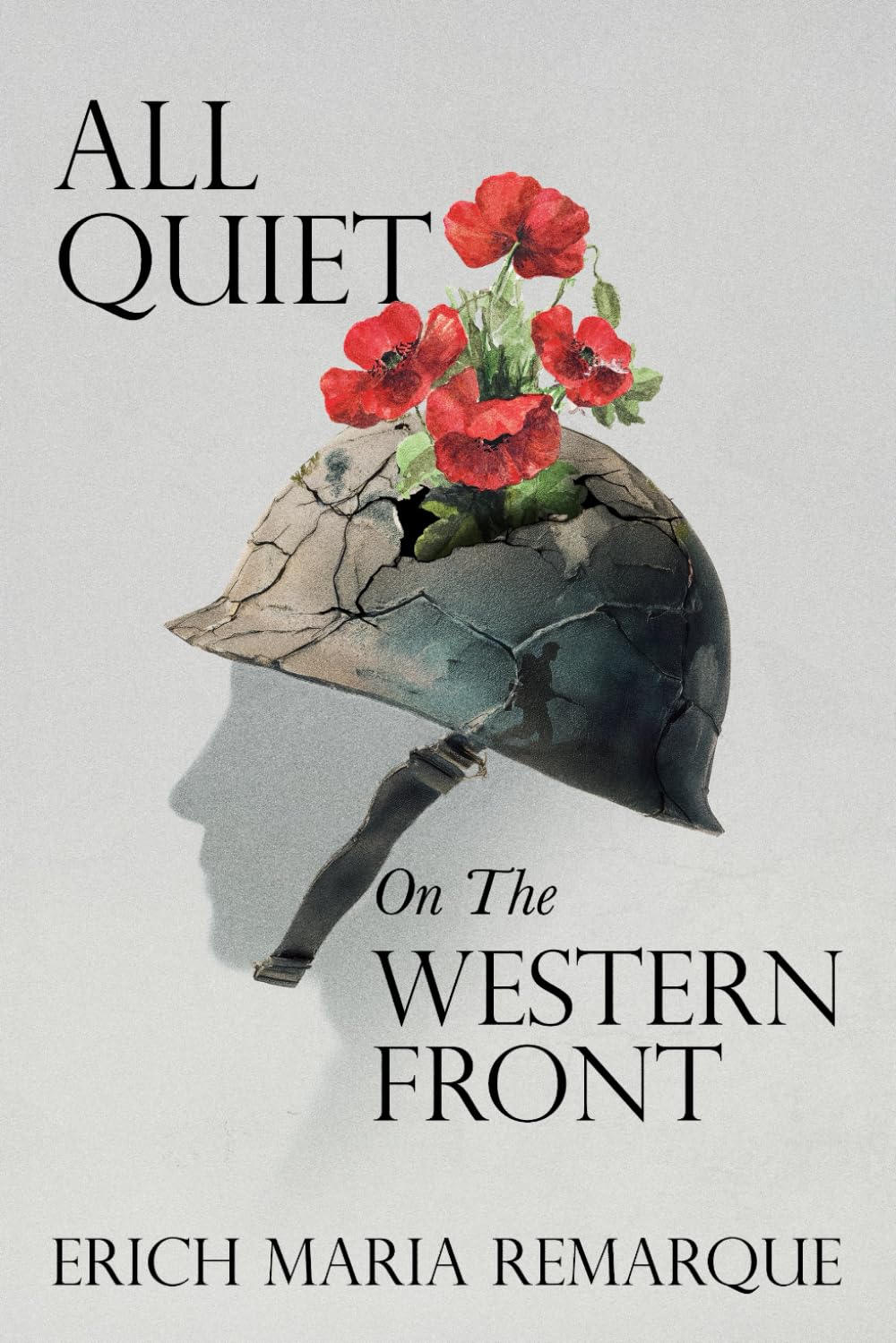
All Quiet on the Western Front (Im Westen nichts Neues), written by Erich Maria Remarque and first published in German in 1929, is a novel narrated by Paul Bäumer, a young German soldier who enlists in the German army during World War I along with several of his classmates after being encouraged by their schoolmaster, Kantorek. The novel follows Paul and his comrades through trench warfare on the Western Front — the bombardments, the casualties, the wounds, the leaves home, and the slow attrition of the men around him. It is written in present tense for much of its length, a technique that creates immediacy. Paul is twenty years old; he and his classmates belong to what the novel’s preface calls “a generation of men who, even though they may have escaped its shells, were destroyed by the war.” The novel was serialized in the German newspaper Vossische Zeitung in late 1928 and published in book form in January 1929, becoming an immediate international bestseller. It was among the books burned by the Nazi regime in Germany in May 1933. In English, the standard translation is that of A.W. Wheen (1929); a new translation by Daniel Kehlmann was published in 2023. This guide covers reading level, age appropriateness, content, the banning history, themes, and similar books.
For Parents
A first-person WWI novel narrated by a young German soldier following his class from enthusiastic enlistment to attrition on the Western Front. Ages 14–18, grades 9–12. Content: graphic depictions of combat wounds, death, and trench warfare throughout; a brief sexual encounter; the deaths of most major characters. The combat content is sustained and realistic rather than incidental. Standard 10th–12th grade war literature assignment.
For Teachers
A grades 9–12 war literature standard, most commonly assigned in 10th–12th grade history-connected English or social studies units. Lexile 830L; ATOS 6.0; word count 62,000; 12 chapters; 304 pages. The standard classroom translation is A.W. Wheen (1929); a new Daniel Kehlmann translation was published in 2023. The novel’s ban and burning by the Nazi regime in 1933 is directly relevant curriculum content in units that pair the novel with WWI and WWII history. Pairs productively with Remarque’s sequel The Road Back (1931) and with Hemingway’s A Farewell to Arms (1929).
All Quiet on the Western Front at a Glance
Find on Amazon →| Author | Erich Maria Remarque (1898–1970) |
| Original language | German (Im Westen nichts Neues) |
| Published | 1929 (book form); serialized late 1928 |
| Standard translation | A.W. Wheen (1929); Daniel Kehlmann (2023) |
| Grade Level | 9–12 (our assessment; most commonly 10th–12th grade) |
| Recommended Age | 14–18 |
| Lexile | 830L |
| ATOS Level | 6.0 |
| Word Count | ~62,000 |
| Pages | ~304 |
| Chapters | 12 |
| Genre | Historical fiction / war novel |
| Setting | Western Front, World War I; Germany; c. 1916–1918 |
For official Lexile and AR levels, visit Lexile.com or AR BookFinder. ReadingVine provides independent editorial assessments.
What Reading Level Is All Quiet on the Western Front?
Lexile 830L, ATOS 6.0, interest level grades 7–12, word count 62,000. Our assessment: grades 9–12, ages 14–18, most commonly assigned in 10th–12th grade. The Lexile and ATOS scores reflect accessible prose — Remarque’s style (in the Wheen translation) is direct, concrete, and economical, without the syntactic complexity of 19th-century European fiction. The reading challenge is not linguistic but related to content: the sustained, realistic depiction of combat wounds, death, and the physical experience of trench warfare requires maturity to process. Most teachers who assign it do so with discussion and historical scaffolding. For official scores, visit Lexile.com or AR BookFinder.
Translation Note
The novel was written in German and exists for English readers in translation. The standard classroom translation for nearly a century has been that of A.W. Wheen (1929), which was produced simultaneously with the book’s original German publication and captures Remarque’s direct, present-tense prose style. A new translation by Daniel Kehlmann — the German-language novelist — was published in 2023 by Penguin Random House and has been received as a more contemporary rendering of the original. Most classroom editions in current circulation use the Wheen translation or a revision of it. When looking up Lexile or AR scores, confirm by ISBN, as scores may vary by translation.
What Age Is All Quiet on the Western Front Appropriate For?
Ages 14–18, grades 9–12. Content worth noting for parents and teachers:
The novel contains graphic and sustained depictions of combat: artillery bombardments, shrapnel wounds, gas attacks, the deaths of comrades in detail, and the physical reality of trench warfare including rats, lice, and dysentery. A brief sexual encounter occurs in Chapter 7 when Paul and two of his comrades spend time with French women. Most major characters die by the novel’s end. The content is realistic and unsparing rather than sensationalized; it is central to the novel’s subject and cannot be separated from it. The novel is most appropriate for students in grades 9–12 who are reading it with historical context provided.
What Is All Quiet on the Western Front About?
Paul Bäumer is nineteen years old when he enlists in the German army with several of his classmates, encouraged by their schoolmaster Kantorek, who speaks of the war in terms of duty and glory. Paul and his friends — among them Kemmerich, Müller, Leer, and Tjaden — are assigned to the Second Company and sent to the Western Front. The gap between what they were told about the war and what they experience in the trenches is immediate and total. Their first bombardment dismantles the ideas they brought from school and home.
The novel follows Paul and his comrades through the accumulated experience of the front: the wounds and field hospitals, the leave periods that reveal how completely the war has severed them from civilian life, the relationships between the young soldiers and the older veterans who have developed practical survival skills, and the steady attrition of the men around them. Stanislaus Katczinsky — Kat — the oldest and most experienced of Paul’s close group, becomes the novel’s central figure of practical wisdom and genuine friendship. Paul watches the members of his class die, one by one, from wounds, gas, and combat. He himself is wounded multiple times.
The novel ends in October 1918, weeks before the Armistice. Paul outlives nearly all of his closest classmates and companions. The final chapter describes his death — reported from outside his perspective in the third person, the only passage in the novel not narrated by Paul. He is killed on a day the army communiqué describes as quiet on the Western Front.
All Quiet on the Western Front Characters
Is All Quiet on the Western Front Banned?
The novel has one of the most documented ban and censorship histories of any 20th-century novel. In Germany, the emerging Nazi Party attacked it almost immediately after publication — it was declared unpatriotic and disrespectful to the German military. On May 10, 1933, the day of the first large-scale Nazi book burning, All Quiet on the Western Front was among the books burned publicly in front of the Opera House in Berlin. Joseph Goebbels declared Remarque’s writing “unpatriotic.” Remarque fled Germany in 1933; his German citizenship was revoked in 1938. The novel was also banned in Austria in 1929 (Austrian soldiers were forbidden from reading it), in Czechoslovakia’s military libraries, and in Italy in 1933. In the United States, the English translation was banned in Boston and challenged in Chicago on grounds of obscenity.
In the contemporary United States, the novel appears on various challenged-book lists but has not been among the most frequently challenged titles in recent ALA reporting. Its challenge history is primarily historical rather than ongoing.
All Quiet on the Western Front Themes and Lessons
The novel’s preface states its subject directly: it is an account of “a generation of men who, even though they may have escaped its shells, were destroyed by the war.” The destruction the novel depicts is not only physical — it is the destruction of the framework of meaning that Paul and his classmates brought to the war from their schooling and upbringing. Kantorek’s patriotic rhetoric, which sent them to the front, is exposed immediately as having no relationship to the experience they find there.
The leave chapters — in which Paul returns home and finds himself unable to connect with his family, his room, and the civilians who talk about the war from a safe distance — are among the most frequently taught passages in the novel for their depiction of what is now called combat alienation: the gap between the experience of the soldier and the understanding of those who did not serve.
The novel is written primarily in first-person present tense, which is unusual for a retrospective war narrative and creates a sense of immediacy — Paul narrates what is happening as if from inside each moment rather than looking back. The shift to third person at the novel’s very end, when Paul’s death is reported, is the novel’s most discussed formal choice.
Discussion questions: What did Kantorek tell Paul and his classmates about the war — and how does the reality of the front compare? Why can’t Paul connect with his family and civilian life during his leave? How does Remarque’s use of present tense affect how the reader experiences the events? What does Paul’s generation mean when they say they have been “destroyed” by the war even if they survive?
Books Similar to All Quiet on the Western Front
About Erich Maria Remarque
Erich Maria Remarque was born Erich Paul Remark on June 22, 1898, in Osnabrück, Germany. He was drafted into the German army in 1916 at age eighteen and served on the Western Front; he was wounded multiple times, including serious shrapnel wounds, and was evacuated from the front. After the war he worked as a teacher, a journalist, and in other positions before turning to fiction. He changed his surname to the French spelling “Remarque” and his middle name to “Maria” in the 1920s. All Quiet on the Western Front was based partly on his own wartime experience, though he resisted describing it as strictly autobiographical. After the Nazi burning of his books in 1933 he settled in Switzerland; he had his German citizenship revoked in 1938. He moved to the United States in 1939, where he became a citizen in 1947. His sister Elfriede Scholz was executed by the Nazi regime in 1943 for making remarks deemed defeatist about the German war effort; a judge reportedly told her she would die in place of her brother, who was out of reach. Remarque died in Locarno, Switzerland, on September 25, 1970. His sequel to All Quiet, The Road Back (Der Weg zurück), was published in 1931.
All Quiet on the Western Front: Frequently Asked Questions
What reading level is All Quiet on the Western Front?
Lexile 830L, ATOS 6.0, interest level grades 7–12, word count 62,000. Our assessment: grades 9–12, ages 14–18, most commonly 10th–12th grade. The prose is accessible; the reading challenge is the sustained, realistic content about combat rather than linguistic complexity. For official scores, visit Lexile.com or AR BookFinder.
What is All Quiet on the Western Front about?
Paul Bäumer, a nineteen-year-old German, enlists with his classmates in WWI after being encouraged by their schoolmaster. The novel follows him and his comrades through the Western Front — the bombardments, the casualties, the leave periods in which they discover they can no longer connect with civilian life, and the steady attrition of everyone around him. Paul is nearly the last of his class still alive when he is killed on a day the army reports as quiet on the Western Front.
Why was All Quiet on the Western Front banned?
In Germany, the emerging Nazi Party declared it unpatriotic and disrespectful to the German military. On May 10, 1933, it was among the first books burned publicly by the Nazi regime in Berlin. Joseph Goebbels declared Remarque’s writing unpatriotic. Remarque fled Germany in 1933; his citizenship was revoked in 1938. The novel was also banned in Austria (1929) and Italy (1933) and challenged in Boston and Chicago in the US on obscenity grounds.
What is the significance of the ending of All Quiet on the Western Front?
The novel is narrated in first person by Paul throughout its twelve chapters — but the final paragraph shifts to third person to report Paul’s death. Paul is killed on a day in October 1918, weeks before the Armistice, when the army communiqué records nothing significant happening — “all quiet on the Western Front.” The shift from first to third person at the moment of death is the novel’s most discussed formal technique.
What grade is All Quiet on the Western Front typically assigned?
Most commonly in 10th, 11th, or 12th grade — in English classes focused on war literature or in history-connected units on WWI and WWII. It is frequently paired with Hemingway’s A Farewell to Arms (1929) or O’Brien’s The Things They Carried (1990).