
 = Partner Site
Caddie Woodlawn Reading Level: A Complete Guide
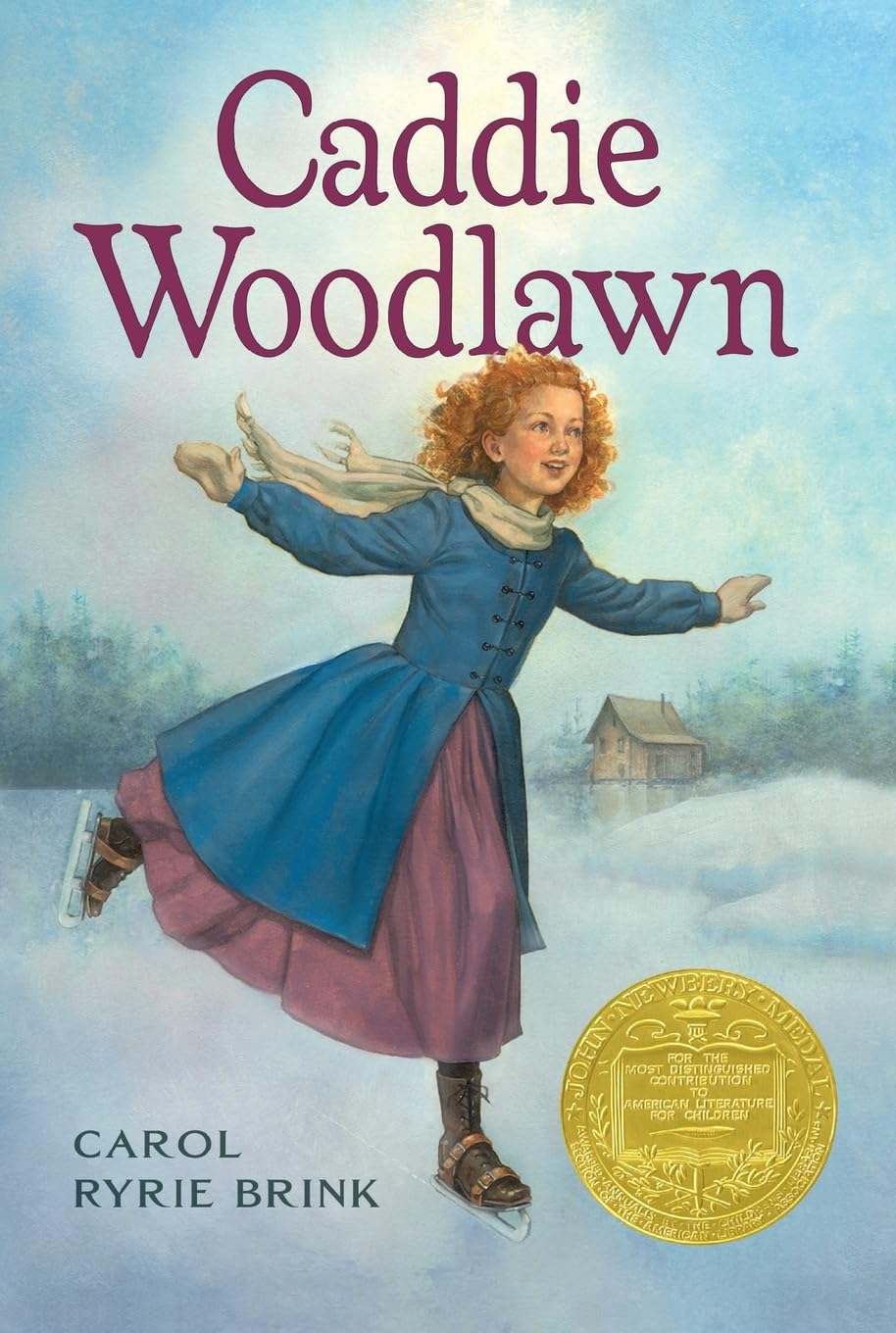
Caddie Woodlawn by Carol Ryrie Brink follows an adventurous eleven-year-old tomboy growing up in Wisconsin frontier in the 1860s, celebrating her spirited independence while exploring what it means to grow into young womanhood. This guide provides parents and teachers with reading level information, age recommendations, content insights, and discussion questions for this beloved Newbery Medal winner about frontier life, family, and finding your own path.
For Parents
Find the right reading level for your child, understand the book’s themes about gender roles and growing up, and get conversation starters to help your child explore ideas about being yourself, family, and frontier life.
For Teachers
Access grade-level guidance, reading metrics, character analysis support, and thematic discussion questions. This Brink classic offers rich opportunities for exploring pioneer life, gender expectations, and character growth in historical fiction.
Caddie Woodlawn at a Glance
Find on Amazon →| Author | Carol Ryrie Brink |
| Published | 1935 |
| Grade Level | 4–6 (our assessment) |
| Recommended Age | 9–12 |
| Flesch-Kincaid Grade | 5.8 |
| Word Count | ~61,000 |
| Pages | ~275 (standard paperback) |
| Chapters | 24 |
| Genre | Historical fiction / pioneer life / coming-of-age |
| Setting | Wisconsin frontier, 1864 |
| Awards | Newbery Medal (1936), classic |
For official Lexile and AR levels, visit Lexile.com or AR BookFinder. ReadingVine provides independent editorial assessments.
What Reading Level Is Caddie Woodlawn?
Caddie Woodlawn is appropriate for grades 4–6, with a Flesch-Kincaid grade level of 5.8. The vocabulary is accessible with some 1860s frontier terms and Wisconsin place names. Brink’s prose is clear and engaging, focusing on episodic adventures that capture both the freedom and challenges of pioneer childhood. The book’s gentle pacing and character-driven narrative make it appealing to readers who enjoy historical settings.
Carol Ryrie Brink’s writing style is warm, observant, and gently humorous. She portrays Caddie with affection for her tomboyish energy while honestly exploring the period’s gender expectations. The episodic structure means each chapter often tells a complete adventure—Caddie’s escapades with her brothers, encounters with Native American neighbors, pranks at school, and family challenges. This makes the book easy to read in installments and provides natural stopping points.
The story resonates most deeply with readers ages 9–12 who can appreciate Caddie’s struggle between her free-spirited nature and societal expectations for proper young ladies. The book celebrates Caddie’s independence while showing her gradually understanding that growing up doesn’t mean giving up who you are. Strong fourth graders can manage it; fifth and sixth graders engage more fully with the themes about identity and expectations.
What Age Is Caddie Woodlawn Appropriate For?
Caddie Woodlawn is most appropriate for readers ages 9–12. The book is gentle and family-centered, portraying frontier life with its adventures and challenges but without graphic violence or trauma. The themes about gender roles and growing up are handled thoughtfully and age-appropriately.
Period attitudes toward Native Americans: The book reflects more nuanced 1860s attitudes than many frontier stories. The Woodlawns are friendly with local Native Americans, and Caddie befriends them. However, other settlers hold racist views, and there’s a false massacre scare. Modern readers should discuss this historical context.
Gender expectations: The book explores restrictive expectations for girls in the 1860s. Caddie is criticized for being a tomboy and told she must become more ladylike. The resolution shows her finding balance rather than complete conformity.
Frontier dangers: Characters face real challenges including harsh winter, potential conflict with settlers, and a near-drowning, but these are handled matter-of-factly without dwelling on danger.
A prank with consequences: Caddie plays a mean prank on a girl she doesn’t like, and must face the consequences and learn about kindness.
What’s NOT in the book: No death of major characters, no graphic violence, no inappropriate content. The book ends hopefully with Caddie having grown and matured while maintaining her essential spirit. The message is affirming: you can grow up without losing yourself, and being different is valuable.
What Is Caddie Woodlawn About?
Eleven-year-old Caddie Woodlawn lives with her family on a farm in western Wisconsin in 1864. The family consists of Father, Mother, Caddie, her older sister Clara (who is proper and ladylike), her two younger brothers Tom and Warren (who are Caddie’s adventuring companions), younger sister Hetty, and baby brother Joe. Caddie’s grandmother also visits from Boston, representing the proper Eastern society the family left behind.
Caddie is a tomboy who prefers running wild with Tom and Warren to doing needlework with Clara and Mother. As a young child, Caddie was sickly and frail. Father decided the best cure was to let her run free outdoors rather than keeping her confined indoors like proper girls. The treatment worked—Caddie became healthy and strong, but also wild and independent, more comfortable in the woods than the parlor. Now at eleven, Mother believes it’s time for Caddie to learn to be a young lady, but Caddie resists.
The book is episodic, following Caddie through various adventures over about a year. She and her brothers help their friend John work his farm claim, riding horses and exploring the countryside. Caddie also visits a nearby Native American camp, where she befriends the children and begins to see them as neighbors rather than strangers. As tensions rise among settlers due to fear and misunderstanding, Caddie’s experiences help her develop empathy and a deeper understanding of cultural differences. Her growth reflects the book’s message that personal relationships and mutual respect can challenge prejudice and promote understanding.
At school, Caddie struggles with a strict new teacher who represents Eastern propriety. She also faces mean girls, particularly Annabelle Grey, who looks down on the Woodlawns for being “country.” In retaliation, Caddie plays a cruel prank—inviting Annabelle to a “party” that turns out to be a humiliation. Mother discovers what Caddie did and is deeply disappointed. For the first time, Caddie truly feels ashamed of her wildness. She realizes that being strong and independent doesn’t mean being unkind or thoughtless.
The family faces financial strain when Father’s business partner in Boston betrays him, losing much of their money. Caddie watches her parents face this setback with grace and resilience. They still have their farm and each other—they’ll be fine. This teaches Caddie about what truly matters.
The most pivotal moment comes during Grandmother’s visit from Boston. Grandmother is horrified by Caddie’s unladylike behavior—her rough clothes, her adventures with her brothers, her lack of proper manners. Grandmother scolds Mother for raising Caddie so poorly and insists Caddie must be sent back to Boston to be properly educated into a lady. Caddie is devastated and confused. She doesn’t want to leave her family or become someone she’s not.
Father intervenes with a gentle but powerful speech. He tells Caddie that yes, she must grow up, but that doesn’t mean becoming someone else. The world is changing, and women like Caddie—brave, strong, independent—will be needed. She can learn manners and grace without losing her courage and spirit. What matters is that she develops a kind heart to go with her strong body. He gives her a beautiful silver dollar and tells her to keep it as a reminder: she is special exactly as she is.
The book ends with Caddie understanding that growing up means finding balance—she can be both strong and kind, both independent and part of a family, both a girl who runs wild and a young woman learning grace. She’s still Caddie, but she’s Caddie growing up on her own terms, prepared to become the woman her changing world needs.
Caddie Woodlawn Characters
Caddie Woodlawn Themes and Lessons
At its heart, Caddie Woodlawn is about finding balance between being yourself and growing up. Caddie loves her freedom and independence, but Father teaches her that true maturity means adding kindness and responsibility to strength, not replacing one with the other. His speech to her—telling her the world needs brave, strong women and that she’s special exactly as she is—is revolutionary for 1864 (when the book is set) and even for 1935 (when Brink wrote it). The book argues that girls don’t have to choose between being strong and being feminine, between adventure and grace—they can be both.
The book also explores what it means to grow up in a changing world. The Woodlawns are pioneers, building a new American society in Wisconsin. Caddie is forging her own path as a new kind of woman—one who can be both brave and kind, both independent and connected to family and community. The book teaches that growth doesn’t mean conforming to what others expect; it means becoming your best self.
Discussion questions for families:
- How does Caddie change throughout the book? What does she learn about being strong and being kind?
- What does Father mean when he tells Caddie that the world needs women like her?
- Why does Caddie’s prank on Annabelle make her feel so ashamed? How is this different from her other adventures?
How Many Pages and Chapters in Caddie Woodlawn?
Caddie Woodlawn is approximately 275 pages in standard paperback editions and is divided into 24 chapters. The word count is about 61,000 words. Chapters average about 11 pages and each typically focuses on a single adventure or episode in Caddie’s year.
For independent readers ages 9–12, the book typically takes 5–7 hours to read. The episodic structure and gentle pacing make it accessible and perfect for reading in installments. As a read-aloud, it takes approximately 4–5 hours. The book pairs beautifully with discussions about frontier life, gender expectations in different time periods, and what it means to be yourself. The book is based on true stories from Brink’s grandmother’s childhood in Wisconsin.
Books Similar to Caddie Woodlawn
About Carol Ryrie Brink
Carol Ryrie Brink (1895–1981) based Caddie Woodlawn on true stories her grandmother, Caddie Woodhouse, told about growing up on the Wisconsin frontier in the 1860s. Brink’s grandmother was the real Caddie Woodlawn (the name was changed slightly for the book), and many of the adventures—including her efforts to prevent conflict between settlers and Native Americans, the pranks, the visit from Grandmother—were based on real events. Brink grew up listening to these stories and was raised partly by her grandmother after her own parents died when she was young. The book was published in 1935 and won the Newbery Medal in 1936, becoming an immediate classic. Brink wrote a sequel, Magical Melons (1944), which follows Caddie into her teenage years, though it never achieved the popularity of the original. She also wrote Caddie Woodlawn’s Family, which retells the original story from different family members’ perspectives. Brink lived in Moscow, Idaho, for much of her life and wrote many other books for children and adults. However, Caddie Woodlawn remains her most famous work and is celebrated for its spirited heroine, authentic frontier details, and progressive message about girls’ independence. The book was groundbreaking in 1935 for celebrating a tomboy protagonist and suggesting that strength and adventurousness were valuable qualities for girls. It remains beloved for showing that you can grow up without losing yourself, and that being different is something to celebrate rather than correct.
Caddie Woodlawn: Frequently Asked Questions
What grade level is Caddie Woodlawn?
Caddie Woodlawn is appropriate for grades 4–6 (ages 9–12). The Flesch-Kincaid level of 5.8 reflects accessible vocabulary with some 1860s frontier terms. The episodic structure and gentle pacing make it easy to read in installments. Strong fourth graders can read independently; fifth and sixth graders engage more deeply with themes about gender expectations and identity. It won the Newbery Medal in 1936 and is widely taught in elementary schools. The book works beautifully as a family read-aloud and pairs well with discussions about frontier life and what it means to be yourself in different time periods.
Is Caddie Woodlawn based on a true story?
Yes, Caddie Woodlawn is based on true stories from author Carol Ryrie Brink’s grandmother’s childhood. The real Caddie Woodhouse (the name was changed slightly to Woodlawn for the book) grew up on the Wisconsin frontier in the 1860s and told her granddaughter stories about her adventures. Many episodes in the book—including her efforts to prevent conflict between settlers and Native Americans, the pranks, Grandmother’s visit from Boston—were based on real events. The frontier details and family dynamics are drawn from authentic pioneer life. However, Brink shaped and dramatized the stories for narrative purposes, so while the book is based in truth, it’s memoir-inspired historical fiction rather than strict autobiography. The essence of Caddie’s character—her spirited independence and struggle with gender expectations—comes directly from the real Caddie Woodhouse’s experiences.
What happens at the end of Caddie Woodlawn?
At the end of Caddie Woodlawn, Caddie has learned from her father that growing up doesn’t mean becoming someone else. She can be both strong and kind, both adventurous and graceful. She understands she must add wisdom and compassion to her courage, not replace one with the other. The book ends with Caddie still herself but growing into young womanhood on her own terms, prepared to become the kind of strong, independent woman her changing world needs. She has matured through her experiences—learning from her mistakes like the cruel prank on Annabelle, understanding her father’s message about balancing strength with kindness, and realizing she can grow up without losing her essential spirit.
What is the main theme of Caddie Woodlawn?
The main theme of Caddie Woodlawn is that you can grow up and mature without losing your essential self. The book explores how to balance independence with responsibility, strength with kindness, and being yourself with meeting others’ expectations. Father’s message to Caddie—that the world needs brave, strong women and that she doesn’t have to choose between being adventurous and being feminine—is the heart of the book. Caddie learns that true maturity means adding grace and compassion to courage, not replacing one with the other. The book celebrates girls who are different and argues that strength, independence, and adventurousness are valuable qualities that should be developed, not suppressed. It teaches that growing up means becoming your best self, not conforming to what others expect you to be.
Is Caddie Woodlawn appropriate for kids?
Yes, Caddie Woodlawn is entirely appropriate for children ages 9 and up. The book is gentle and family-centered, portraying frontier life with its adventures but without graphic violence or trauma. The main content considerations are historical—the book reflects 1860s attitudes and includes references to potential conflict with Native Americans, though the Woodlawn family maintains friendly relationships with their Native neighbors. The book’s treatment of gender expectations is progressive for both 1864 (when set) and 1935 (when written), celebrating Caddie’s independence while showing her learning kindness and responsibility. No family members die, no one is seriously harmed, and the ending is hopeful. The book teaches valuable lessons about being yourself, treating others with kindness, and finding balance between independence and community.
How old is Caddie in Caddie Woodlawn?
Caddie is eleven years old during most of Caddie Woodlawn. The book covers roughly one year of her life, from age eleven to twelve, a crucial period when she’s transitioning from childhood to young womanhood. At eleven, Caddie is at that in-between age where she still wants the freedom of childhood adventures with her brothers but is beginning to face expectations about becoming a proper young lady. Her age is significant to the story—she’s old enough to understand consequences (like when she plays a mean prank on Annabelle) but young enough that she’s still forming her identity. The book captures that particular moment of growing up when childhood freedoms are ending but adulthood hasn’t yet fully begun.
Does Caddie Woodlawn have a sequel?
Yes, Carol Ryrie Brink wrote Magical Melons (1944), which follows Caddie into her teenage years. The sequel continues Caddie’s story as she navigates adolescence and young womanhood in frontier Wisconsin. Brink also wrote Caddie Woodlawn’s Family, which retells the original story from the perspectives of different family members. However, neither sequel achieved the popularity or classic status of the original Caddie Woodlawn. Most readers find the first book to be the most powerful and memorable, with its perfect balance of adventure, family warmth, and coming-of-age themes. The original book stands beautifully on its own, with its ending providing satisfying closure to Caddie’s journey of self-discovery while suggesting the adventures still to come as she grows up.
What does Caddie learn in Caddie Woodlawn?
Caddie learns that growing up means becoming your best self, not conforming to others’ expectations. Through her adventures and mistakes—particularly the mean prank she plays on Annabelle—she learns that being strong and independent must be balanced with kindness and responsibility. Father teaches her that the world needs women who are brave, strong, and independent, but that these qualities are most valuable when paired with a kind heart. Caddie discovers she doesn’t have to choose between being adventurous and being feminine, between freedom and family, between independence and grace. She learns that true maturity means adding wisdom and compassion to courage, finding balance rather than giving up who she is. By the end, Caddie understands she can grow into womanhood on her own terms, maintaining her essential spirit while developing the qualities that will help her thrive in a changing world.