
 = Partner Site
Corduroy Reading Level: A Complete Guide
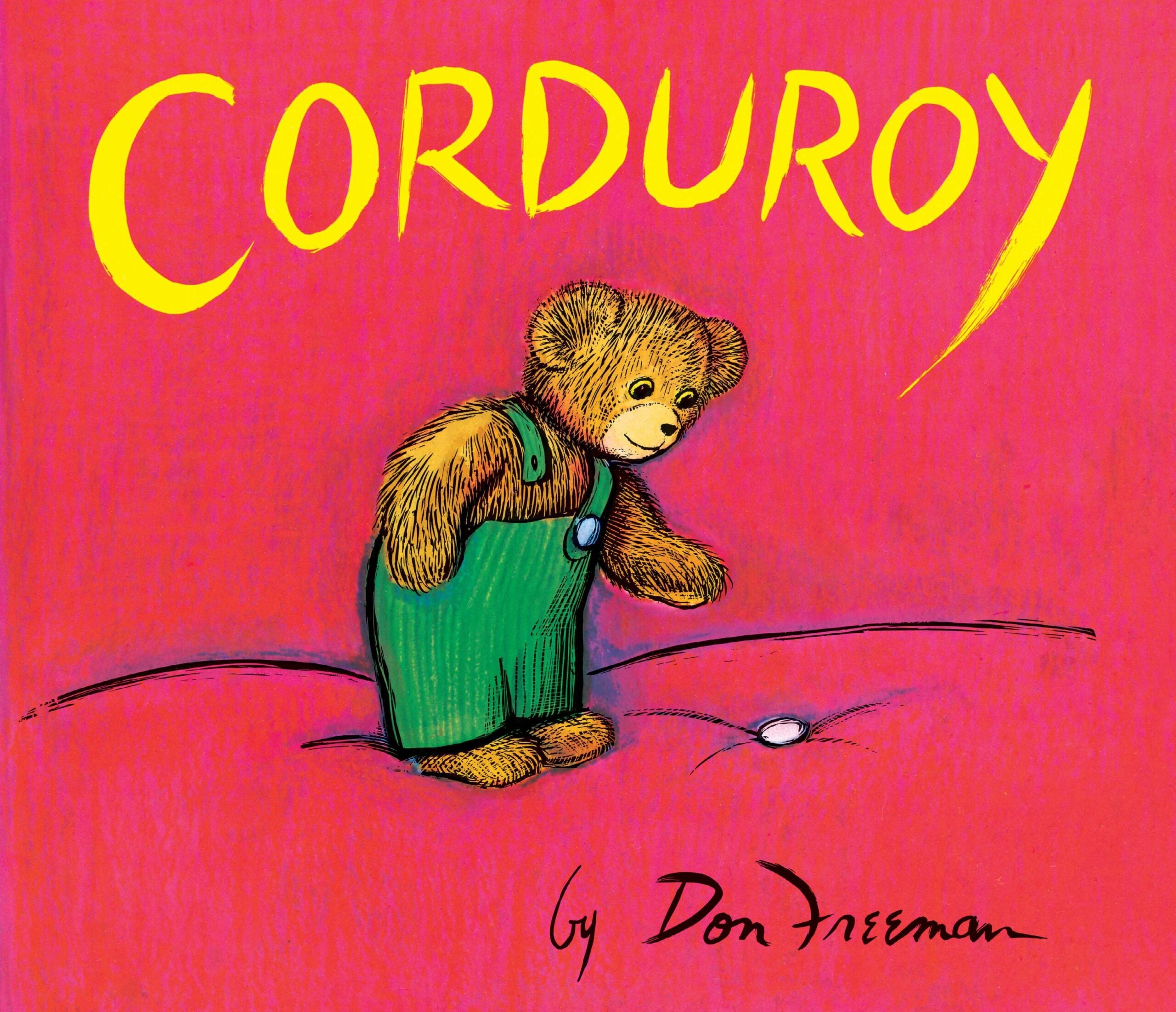
Corduroy by Don Freeman is a picture book staple that has been welcoming children into the joy of reading for over fifty years. This guide covers the reading level, recommended age, read-aloud vs. independent reading guidance, themes, and everything parents and teachers need to know about sharing this classic with young readers.
For Parents
Find out whether Corduroy works best as a read-aloud or independent read for your child, what age range it suits, and what to explore together in conversation about belonging, friendship, and what it means to have a home.
For Teachers
Grade-level data, read-aloud timing, key themes, and discussion questions for a K–1 classroom staple. Strong connections to SEL units on belonging, acceptance, and friendship.
Corduroy at a Glance
Find on Amazon →| Author & Illustrator | Don Freeman |
| Published | 1968 |
| Grade Level | K–1 (our assessment) |
| Recommended Age | 3–6 |
| Best For | Read-aloud ages 2–5; independent reading ages 5–7 |
| Flesch-Kincaid Grade | 3.2 |
| Word Count | ~900 |
| Pages | 32 |
| Genre | Picture book / fiction |
| Setting | A department store; a child’s bedroom |
For official Lexile and AR levels, visit Lexile.com or AR BookFinder. ReadingVine provides independent editorial assessments.
What Reading Level Is Corduroy?
Corduroy is a K–1 reading level by our editorial assessment, with a Flesch-Kincaid grade level of approximately 3.2. Like many beloved picture books, the Flesch-Kincaid score is somewhat higher than you might expect — Freeman uses full, narrative sentences and a few words (“escalator,” “department store,” “creature”) that are above a typical early reader. But the story itself is straightforward and emotionally immediate, and children well below the technical grade level engage with it fully when it’s read aloud.
An important note for parents: young children can understand books read aloud to them well above their independent reading level. A two-year-old who can’t read a word will still follow Corduroy’s nighttime adventure and feel the warmth of his reunion with Lisa. The emotional logic of the story — a toy looking for a home, a child who chooses him anyway — is something very young children understand intuitively.
For parents who use specific reading level systems: we recommend checking your child’s level on Lexile.com or AR BookFinder for official scores, or asking your child’s teacher for their Guided Reading or DRA level.
Is Corduroy a Read-Aloud or Independent Read?
Corduroy works best as a read-aloud for ages 2–5 and is a solid independent read for ages 5–7. Most children first encounter it as a lap book, and the story’s warmth and gentle suspense make it one of the more reliably engaging read-alouds at this level — even children who have heard it many times tend to stay focused through Corduroy’s nighttime department store adventure.
As a read-aloud, the pacing is natural and unhurried. Freeman’s soft, warmly colored illustrations do a lot of work alongside the text — the department store at night feels genuinely atmospheric, and the final pages in Lisa’s bedroom feel cozy and resolved in a way that children find deeply satisfying. Most adults can read it aloud in about 6–8 minutes.
For independent reading, a kindergartner or early first grader with solid sight word recognition can work through most of the text. A few words — “escalator,” “enormous,” “apartment” — may need support, but the narrative carries children through unfamiliar vocabulary better than most books at this level. Children who read it independently often slow down on the department store pages, studying Freeman’s nocturnal illustrations in detail.
There is nothing in this book that requires parental preparation. The mild suspense of Corduroy’s nighttime adventure resolves warmly, and the book’s final message — that being loved as you are is enough — is one of the gentlest in all of children’s literature.
When Corduroy is searching the store at night, ask your child: “Do you think he’ll find what he’s looking for?” Then, when Lisa arrives the next morning and buys him without the button, ask: “Why do you think Lisa still wanted him?” The answers children give to that second question are often surprisingly thoughtful.
What Is Corduroy About?
Corduroy is a small bear who lives on a shelf in a department store, waiting to be chosen. One day a girl named Lisa spots him and wants him, but her mother notices that Corduroy is missing a button from his overalls and suggests they come back another time. That night, Corduroy sets off through the department store to look for his missing button. He explores the furniture floor, mistakes a mattress button for his own, and ends up causing a small commotion before a night watchman returns him to his shelf.
The next morning, Lisa returns — having saved her own money — and buys Corduroy just as he is, missing button and all. She takes him home to her apartment, sews a button on his overalls, and tucks him into a new bed. It is, Corduroy thinks, the first time he has ever had a friend. The book is warm, gentle, and deeply reassuring — a story about being wanted not despite your imperfections but alongside them.
Corduroy Characters
Corduroy Themes and Lessons
The central theme of Corduroy is belonging — specifically, the profound relief of being chosen and accepted exactly as you are. Corduroy has a missing button, and the book makes clear that this imperfection is what nearly keeps him from being taken home. Lisa’s decision to buy him anyway, and to fix the button herself, is an act of love that children recognize and respond to deeply. The message — that you don’t need to be perfect to deserve a home — is one of the most important a picture book can carry.
The theme of friendship runs alongside it. Corduroy’s final lines, in which he reflects that he has always wanted a friend and that he supposes he has always had one, capture something true about how love works: it often exists before we have the words for it. For children who feel different, overlooked, or imperfect in some way, this book has always functioned as quiet reassurance.
Discussion starters for families: Why did Lisa still want Corduroy even without his button? Have you ever wanted something that wasn’t perfect? What do you think Corduroy felt when Lisa took him home? What makes someone a real friend?
How Long Is Corduroy?
Corduroy has 32 pages and approximately 900 words. Most adults can read it aloud in about 6–8 minutes, making it a reliable choice for bedtime or a classroom read-aloud with time for discussion afterward.
A child reading independently at a kindergarten or early first-grade level will typically finish in about 10–15 minutes, spending extra time on Freeman’s detailed department store illustrations — there is a lot to look at in the nighttime store scenes.
Books Similar to Corduroy
If your child loves Corduroy, these titles share similar themes of belonging, acceptance, and the warmth of being truly seen:
About the Author and Illustrator
Don Freeman (1908–1978) was an American author, illustrator, and artist who spent much of his career in New York City and later California. He originally worked as a jazz musician and then as a visual artist, contributing drawings to Broadway productions and illustrating for newspapers before turning to children’s books. Corduroy, published in 1968, became his most enduring work and one of the best-loved picture books of the twentieth century. Freeman’s illustration style — soft, rounded forms rendered in warm watercolor — has a gentle, handmade quality that feels timeless rather than dated. He wrote and illustrated more than two dozen picture books, including a sequel, A Pocket for Corduroy (1978), published the same year he died. Freeman reportedly based Corduroy on a stuffed bear he saw on the shelf of a New York City department store, though no button was actually missing.
Corduroy: Frequently Asked Questions
What reading level is Corduroy?
Corduroy is a K–1 reading level by our editorial assessment, with a Flesch-Kincaid grade level of approximately 3.2. The text is warm and narrative in style, with a few vocabulary words above kindergarten level. It works best as a read-aloud for ages 2–5 and as an independent read for ages 5–7. For official Lexile and AR levels, visit Lexile.com or AR BookFinder.
What age is Corduroy for?
Corduroy is appropriate for ages 2–6 as a read-aloud, with most children first encountering it as toddlers or preschoolers. As an independent read, it suits kindergartners and early first graders (ages 5–7). It is one of those books that children return to across several years — reading it at 3, again at 5, and again at 7, finding something different each time.
Can a kindergartner read Corduroy alone?
Many kindergartners can read Corduroy independently by mid-to-late kindergarten, though a few words — “escalator,” “enormous,” “apartment” — may need support. The story’s clear narrative and emotional through-line help children navigate unfamiliar vocabulary in context. It is a satisfying early independent read because it has a genuine plot, real suspense, and a deeply satisfying ending.
How long does it take to read Corduroy aloud?
Most adults can read Corduroy aloud in about 6–8 minutes. The book’s pacing is unhurried, and many families spend additional time on the department store illustrations — Freeman fills the nighttime store with details that reward a slow look.
What is Corduroy about?
Corduroy is about a stuffed bear who lives on a shelf in a department store, waiting to be chosen. When a girl named Lisa wants him, her mother notices his missing button and hesitates. That night, Corduroy searches the store for his button. The next morning, Lisa returns with her own savings and buys him just as he is — then takes him home and sews on a button herself. It is a story about belonging, imperfection, and what it means to finally have a friend.
What is the message of Corduroy?
The central message of Corduroy is that you don’t need to be perfect to deserve love and a home. Lisa chooses Corduroy not despite his missing button but without letting it matter — she accepts him as he is and makes him whole herself. For young children who feel different or imperfect in some way, this is one of the most quietly powerful messages in picture book literature.