
 = Partner Site
Dear Mr. Henshaw Reading Level: A Complete Guide
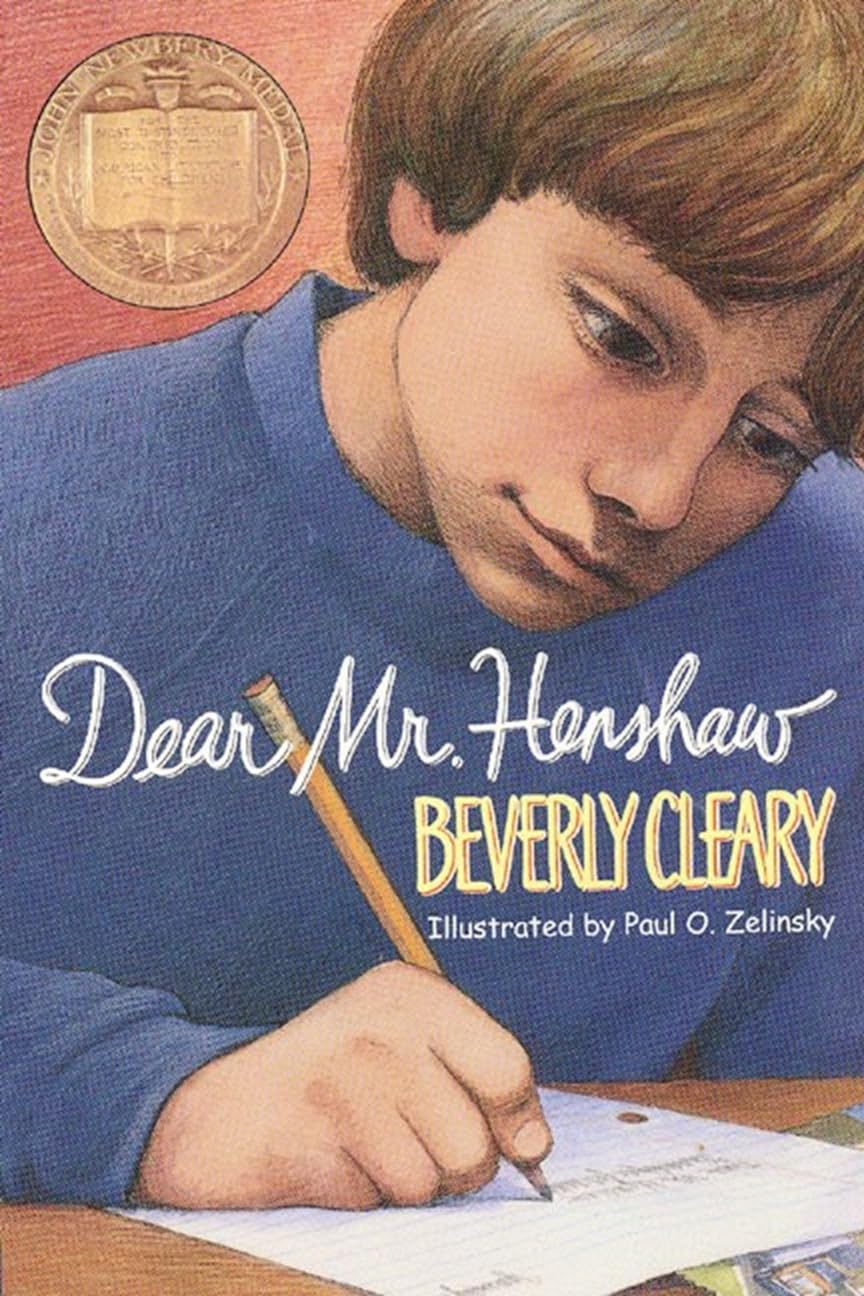
Dear Mr. Henshaw by Beverly Cleary tells the poignant story of a boy processing his parents’ divorce and finding his voice through writing letters to his favorite author. This guide provides parents and teachers with reading level information, age recommendations, content insights, and discussion questions for this Newbery Medal-winning classic about resilience, self-discovery, and the power of writing.
For Parents
Find the right reading level for your child, understand the book’s honest portrayal of divorce and loneliness, and get conversation starters to help your child explore feelings about family changes, finding their strengths, and expressing emotions through writing.
For Teachers
Access grade-level guidance, reading metrics, character analysis support, and thematic discussion questions perfect for classroom use. This Newbery Medal winner offers rich opportunities for exploring epistolary format, character development, and writing as healing.
Dear Mr. Henshaw at a Glance
Find on Amazon →| Author | Beverly Cleary |
| Published | 1983 |
| Grade Level | 4–6 (our assessment) |
| Recommended Age | 9–11 |
| Flesch-Kincaid Grade | 4.8 |
| Word Count | ~15,000 |
| Pages | 134 (standard paperback) |
| Chapters | Letters and diary entries |
| Genre | Children’s fiction / realistic fiction / epistolary |
| Setting | California, contemporary single-parent household |
| Awards | Newbery Medal (1984) |
For official Lexile and AR levels, visit Lexile.com or AR BookFinder. ReadingVine provides independent editorial assessments.
What Reading Level Is Dear Mr. Henshaw?
Dear Mr. Henshaw is appropriate for grades 4–6, with a Flesch-Kincaid grade level of 4.8. The vocabulary is accessible but sophisticated, reflecting Leigh’s development as a writer throughout the book. The epistolary format—told entirely through letters and diary entries—makes the reading experience feel immediate and personal. Readers see Leigh’s writing improve from simple second-grade letters to more thoughtful sixth-grade reflections.
Beverly Cleary’s choice of the epistolary format is brilliant—Leigh’s letters and diary entries reveal his thoughts and feelings directly without a traditional narrator explaining them. The writing style evolves as Leigh matures, starting with brief, childlike letters (“Dear Mr. Henshaw, I liked your book”) and developing into longer, more introspective entries. This progression shows Leigh’s growth as both a writer and a person, making the format integral to the story’s themes about finding your voice.
While strong fourth graders can handle the reading mechanics, the story resonates most deeply with readers ages 9–11 who can understand the complex emotions surrounding divorce, loneliness, and missing an absent parent. The book rewards readers who’ve experienced family changes, who understand what it feels like to be the new kid at school, or who’ve discovered that writing can help process difficult feelings. It’s particularly powerful for readers who need to see that it’s possible to be sad about a situation while also finding ways to cope and grow.
What Age Is Dear Mr. Henshaw Appropriate For?
Dear Mr. Henshaw is most appropriate for readers ages 9–11. The story deals with divorce, an absent parent, loneliness, and adjustment to difficult changes. Cleary handles these topics with her characteristic honesty and empathy, never minimizing Leigh’s pain but also showing him developing resilience and finding hope. The emotional complexity requires maturity to fully appreciate.
Divorce and parental separation: Leigh’s parents are divorced, and his father is a truck driver who’s rarely home. Leigh misses his father intensely and struggles with the separation. This is handled sensitively but realistically.
Loneliness and adjustment: Leigh is the new kid at school, doesn’t have friends initially, and feels isolated. His mother works full-time, leaving him alone after school. These feelings of loneliness are central to the story.
Lunch theft and bullying: Someone keeps stealing items from Leigh’s lunch, which adds to his frustration and feelings of powerlessness. While not severe bullying, it’s a repeated violation that upsets him.
Absent parent disappointment: Leigh’s father makes promises he doesn’t keep, forgets to call, and prioritizes his trucking job and new life. Leigh experiences repeated disappointment and has to come to terms with his father’s limitations.
Financial stress: Leigh’s mother struggles financially as a single parent. They can’t afford extras, and money is a source of worry, though not as central as in Ramona Quimby, Age 8.
What’s NOT in the book: No parental conflict or fighting (the divorce happened before the story begins), no violence, no romance, no profanity. The parents remain civil, and neither is portrayed as a villain. The book doesn’t end with the family reuniting—Leigh learns to accept the reality of divorce rather than fantasizing about his parents getting back together. The ending is hopeful but realistic: Leigh develops coping strategies, finds his talent for writing, and builds a better relationship with both parents within the new family structure.
What Is Dear Mr. Henshaw About?
The book is told entirely through letters and diary entries written by Leigh Botts, starting when he’s in second grade and continuing through sixth grade. In second grade, Leigh reads a book called Ways to Amuse a Dog by an author named Boyd Henshaw. He writes a brief fan letter to Mr. Henshaw saying he liked the book. Over the years, Leigh continues to read Mr. Henshaw’s books and occasionally writes to him. Mr. Henshaw always writes back with friendly, encouraging responses.
By sixth grade, Leigh’s life has changed dramatically. His parents are divorced, his father is a long-haul truck driver who’s rarely around, and Leigh has moved with his mother to a new town in California. Leigh is the new kid at school, doesn’t have friends, and feels lonely and angry. His mother works as a catering assistant, so Leigh spends a lot of time alone in their small house. He misses his father terribly and also misses Bandit, the dog his father kept when the family split up.
Leigh’s teacher assigns the class to write to an author, and Leigh chooses Mr. Henshaw. This time, Mr. Henshaw sends back a list of ten questions for Leigh to answer—things like “Who are you?” “What do you look like?” and “What do you want to be when you grow up?” Leigh is annoyed at first (he wanted a simple reply, not homework), but he answers the questions. This begins a deeper correspondence.
Mr. Henshaw encourages Leigh to keep a diary, suggesting it will help him become a better writer. Leigh starts writing diary entries addressed to “Mr. Pretend Henshaw” (so it feels like writing to someone rather than talking to himself). Through these entries, Leigh processes his feelings about his parents’ divorce, his absent father, and his loneliness at school.
At school, someone keeps stealing the good stuff from Leigh’s lunch—his mother’s homemade cookies, fruit, etc. This ongoing theft makes Leigh feel violated and powerless. He tries various solutions, from using a paper bag instead of his lunch box to writing angry notes. Finally, inspired by Mr. Henshaw’s suggestion to think like a writer (use your brain, solve problems creatively), Leigh invents an alarm system for his lunch box. He rigs it with a battery and buzzer so it will go off if someone opens it. The alarm works—everyone in the cafeteria hears it when the thief tries to open Leigh’s lunch. The theft stops, and Leigh feels proud of his ingenuity.
Leigh’s relationship with his father remains complicated. His dad promises to call but often doesn’t. When he does call, he talks mostly about his trucking job and his new life. Leigh realizes his father loves him but isn’t very good at being a dad from a distance. A pivotal moment comes when Leigh’s father finally brings Bandit for a visit. Leigh is overjoyed to see his dog, but during the visit, he realizes Bandit is really his father’s dog now—the dog is happy with his father and the open road. Leigh has to say goodbye to Bandit and accept that this part of his old life is gone.
At school, Leigh enters a young writers’ contest. He works hard on a story, inspired by a day when he and his father met a truck driver hauling grapes. The story doesn’t win first prize, but it receives an Honorable Mention and is included in a published collection. Leigh is invited to a luncheon for the young writers, where he meets a famous author, Angela Badger. She’s kind to him and treats him like a real writer, which boosts his confidence.
Throughout the book, Leigh gradually develops friendships at school, particularly with a boy named Barry. He becomes more comfortable in his new town. His writing improves dramatically, and he discovers he has talent. Most importantly, Leigh learns to accept his family situation as it is rather than wishing for what it used to be or hoping his parents will reunite.
The book ends with Leigh writing a final letter to Mr. Henshaw, thanking him for his encouragement and updating him on life. Leigh has grown—he’s less angry, more confident, and has found his voice both as a writer and as a person. He’s learned that while he can’t control what his father does or fix his parents’ divorce, he can control how he responds to these challenges. Writing has given him a way to process his feelings, and he’s discovered a talent and passion that is entirely his own.
Dear Mr. Henshaw Characters
Dear Mr. Henshaw Themes and Lessons
At its heart, Dear Mr. Henshaw is about finding constructive ways to process difficult emotions and discovering strengths within yourself during hard times. Leigh can’t fix his parents’ divorce, can’t make his father call more often, and can’t control the changes in his life. But he can write. Writing becomes Leigh’s way of making sense of his feelings, working through anger and sadness, and eventually finding hope. The book teaches that creative expression—whether writing, art, or other forms—can be a powerful tool for healing and self-discovery.
The book also explores acceptance versus denial. Leigh begins the story hoping his parents might reunite, getting angry when his father disappoints him, and wishing things could be like they used to be. By the end, he’s learned to accept reality: his parents are divorced and won’t get back together, his father has limitations as a parent, and his old life is gone. This acceptance isn’t giving up—it’s the foundation for building a new, different but still good life. The book teaches that you can be sad about losses while also moving forward, and that accepting reality empowers you to cope rather than leaving you stuck in wishful thinking.
Discussion questions for families:
- How does writing help Leigh deal with his feelings about his parents’ divorce? Have you ever used writing, art, or another creative outlet to process difficult emotions?
- Why does Leigh have to accept that Bandit belongs with his father now? What does this teach about letting go of the past?
- How does Leigh change from the beginning to the end of the book? What helps him become less angry and more hopeful?
- Mr. Henshaw never meets Leigh in person but still helps him a lot. How can someone you’ve never met be an important influence in your life?
How Many Pages and Chapters in Dear Mr. Henshaw?
Dear Mr. Henshaw has 134 pages in the standard paperback edition. The word count is approximately 15,000 words, making it a relatively short novel perfect for middle-grade readers. The book isn’t divided into traditional chapters but rather into dated letters and diary entries that span from Leigh’s second-grade year to the end of sixth grade. The entries vary in length from a few sentences to several pages, creating a natural rhythm and making the book easy to read in chunks.
For independent readers in the target age range (9–11), the book typically takes 2–3 hours to complete, or about a week of reading 20–30 minutes per day. The epistolary format makes it feel fast-paced and personal—readers feel they’re reading Leigh’s private thoughts and letters. The emotional content may slow some readers down as they process Leigh’s feelings about divorce and his father’s absence, but many find the book compelling and read it quickly.
As a read-aloud, Dear Mr. Henshaw takes approximately 2–2.5 hours total. The letter and diary format works well for reading aloud in short sessions—you can read one or two dated entries and have a natural stopping point. The book’s emotional depth makes it particularly valuable as a family or classroom read-aloud because it opens conversations about divorce, absent parents, loneliness, and how to cope with life changes. Many families find it helps children express feelings they’ve been holding inside, and teachers use it to teach both the epistolary format and emotional literacy.
Books Similar to Dear Mr. Henshaw
If your child enjoyed Dear Mr. Henshaw, here are six similar books that explore themes of resilience, family challenges, and finding strength:
About Beverly Cleary
Beverly Cleary (1916–2021) wrote Dear Mr. Henshaw in 1983, and it won the Newbery Medal in 1984—the highest honor in children’s literature. After decades of writing beloved family stories like the Ramona series and the Henry Huggins books, Cleary wanted to tackle a topic she saw affecting many children: divorce. In the early 1980s, divorce rates were rising, and Cleary recognized that children needed books reflecting this new reality. She chose the epistolary format because it allowed her to show Leigh’s inner life directly—his anger, confusion, and gradual healing—without a narrator explaining his feelings. The format also demonstrated the power of writing as a therapeutic tool, showing young readers that putting feelings into words can help process them. Cleary drew inspiration from letters she received from young readers, many of whom wrote about missing absent parents, struggling with divorce, or feeling lonely at new schools. The character of Boyd Henshaw reflects Cleary’s own practice of responding thoughtfully to fan mail, treating young correspondents with respect and encouragement. The lunch alarm subplot came from a real invention a student told Cleary about. Dear Mr. Henshaw marked a departure from Cleary’s humorous family stories—it’s more serious and emotionally complex, though it retains her characteristic honesty and respect for children’s feelings. The book was controversial when published, with some critics worried it was too sad for children. But Cleary believed children dealing with divorce needed validation of their feelings and examples of resilience. The book’s success and lasting impact proved her right—countless readers have found comfort in Leigh’s story, seeing their own experiences reflected and learning that it’s possible to survive family changes and even find new sources of joy and strength. Dear Mr. Henshaw remains one of the most honest and helpful books about divorce in children’s literature, teaching that while you can’t always control what happens to you, you can control how you respond—and that writing, creativity, and self-expression can be powerful tools for healing.
Dear Mr. Henshaw: Frequently Asked Questions
What happens at the end of Dear Mr. Henshaw?
At the end of Dear Mr. Henshaw, Leigh has grown significantly. He’s less angry and more accepting of his parents’ divorce. His story about the truck driver receives an Honorable Mention in a young writers’ contest, and he attends a luncheon where he meets the famous author Angela Badger, who treats him like a real writer. He’s made friends at school, particularly with Barry. He’s seen Bandit one last time and accepted that the dog belongs with his father now. Most importantly, Leigh has discovered that writing is his talent and passion—something that’s entirely his own. He writes a final letter to Mr. Henshaw, thanking him for his encouragement and showing how much he’s matured. The ending is realistic rather than magical: Leigh’s parents don’t reunite, his father doesn’t change dramatically, but Leigh has learned to cope with reality and found sources of pride and hope. It’s a quiet, hopeful ending about resilience and self-discovery.
Why is Dear Mr. Henshaw written in letters?
Dear Mr. Henshaw is written in epistolary format (letters and diary entries) for several powerful reasons. First, it allows readers to see Leigh’s inner thoughts and feelings directly without a narrator filtering or explaining them. We experience his anger, loneliness, and gradual healing firsthand. Second, the format shows Leigh’s development as a writer—his letters start simple and childlike in second grade and become more sophisticated and thoughtful by sixth grade, demonstrating his growth. Third, it illustrates the book’s theme that writing can be therapeutic. By writing to Mr. Henshaw and keeping a diary, Leigh processes his feelings about divorce and finds his voice. Fourth, the format makes the story feel personal and immediate—readers feel they’re reading Leigh’s private thoughts. Finally, it’s a creative teaching tool, showing students that writing can be a way to communicate, understand yourself, and cope with difficult situations. The epistolary format is integral to the story’s meaning, not just a stylistic choice.
Is Dear Mr. Henshaw a sad book?
Dear Mr. Henshaw deals with sad topics—divorce, an absent parent, loneliness—but it’s ultimately a hopeful book about resilience and growth. Yes, Leigh experiences real sadness: he misses his father, feels lonely at school, and has to accept painful realities like saying goodbye to Bandit. These emotions are portrayed honestly, and some readers find certain scenes emotionally difficult. However, the book isn’t depressing because it shows Leigh developing coping strategies, finding his talent for writing, and gradually building a new, different but still good life. The sadness is balanced with moments of connection (his friendship with Barry), achievement (his Honorable Mention in the writing contest), and validation (Angela Badger treating him like a real writer). Most importantly, the book teaches that it’s possible to be sad about losses while also moving forward and finding new sources of joy. It’s a realistic, honest book that validates difficult feelings while ultimately being hopeful about human resilience.
What grade level is Dear Mr. Henshaw?
Dear Mr. Henshaw is appropriate for grades 4–6 (ages 9–11). The Flesch-Kincaid reading level is 4.8, making it accessible to strong fourth graders. However, the emotional content—divorce, absent parents, loneliness—requires some maturity to fully process and appreciate. Fourth graders can read it, but fifth and sixth graders typically connect most deeply with Leigh’s struggles because they have more life experience and emotional sophistication. The book is also suitable for mature third graders as a read-aloud with adult guidance to discuss the themes. It works well in upper elementary classrooms because it opens conversations about family changes, emotions, and coping strategies. The relatively short length (134 pages, ~15,000 words) makes it accessible, but the epistolary format and emotional depth make it more sophisticated than the page count might suggest. Strong readers in fourth grade will appreciate it; average readers do best waiting until fifth grade.
Does Leigh’s dad come back in Dear Mr. Henshaw?
Leigh’s dad does not come back in the sense of reuniting with the family, and the story does not end with Leigh’s parents getting back together. Instead, his father continues working as a long-haul truck driver and living separately. He does visit once to bring Bandit to see Leigh, which is an important but bittersweet moment, and Leigh realizes that Bandit now belongs with his father and that some parts of his old life have changed. Throughout the book, Leigh’s father remains somewhat inconsistent—sometimes he follows through, and sometimes he doesn’t—but it is clear that he cares about Leigh. By the end of the story, Leigh has accepted that his family looks different now. He understands that he can’t control his parents’ choices, but he can still build a relationship with his father as their lives move forward.
What does Leigh learn in Dear Mr. Henshaw?
Leigh learns several crucial lessons. Most importantly, he learns to accept reality rather than wishing for what can’t be: his parents won’t reunite, his father has limitations, and his old life is gone. This acceptance isn’t resignation but empowerment—it allows him to move forward. He learns that writing can be a powerful tool for processing emotions and discovering who you are. Through writing, he finds his voice both literally (as a writer) and figuratively (expressing his needs and feelings). He learns that he can’t control what happens to him (divorce, his father’s choices) but can control how he responds. He discovers that creative expression and finding your talent can give you confidence and purpose during difficult times. He learns that making new connections (like his friendship with Barry) is possible even when you feel lonely. Finally, he learns that it’s okay to have complicated feelings about his father—to love him while also being angry and disappointed. The book teaches that resilience comes from accepting reality, finding your strengths, and building a new normal rather than waiting for the old life to return.
Is Dear Mr. Henshaw based on a true story?
No, Dear Mr. Henshaw is fiction, not based on a specific true story. However, Beverly Cleary drew inspiration from real experiences. She received thousands of letters from young readers over her career, many expressing feelings about divorce, absent parents, and loneliness—emotions she wove into Leigh’s character. The character of Boyd Henshaw reflects Cleary’s own practice of responding thoughtfully to fan mail and treating young correspondents with respect. The lunch alarm subplot was inspired by a real invention a student told her about. Cleary also drew on broader social realities of the early 1980s, when divorce rates were rising and many children were navigating family changes. While Leigh Botts is fictional, his feelings and experiences reflect the real emotions of countless children dealing with divorce. This authenticity is why the book resonates so deeply—it feels true even though it’s not based on one specific person’s story. Cleary’s genius was synthesizing many real children’s experiences into Leigh’s authentic, relatable voice.
What is the main message of Dear Mr. Henshaw?
The main message is that creative expression—particularly writing—can help you process difficult emotions, discover your strengths, and build resilience during hard times. Leigh can’t fix his parents’ divorce or make his father more present, but he can write about his feelings, which helps him understand and cope with them. The book teaches that accepting reality (rather than wishing for what can’t be) empowers you to move forward and build a new, different but still meaningful life. It shows that you can be sad about losses while also finding new sources of pride and joy. Another key message is about finding your voice and your talent—Leigh discovers writing is something he’s good at, something that’s entirely his own, which gives him confidence and purpose. The book also teaches that support can come from unexpected places (Mr. Henshaw, whom Leigh never meets) and that small acts of encouragement can have big impacts. Ultimately, it’s a message of hope: difficult family changes are painful, but you can survive them, grow from them, and discover strengths within yourself you didn’t know you had.