
 = Partner Site
Island of the Blue Dolphins Reading Level: A Complete Guide
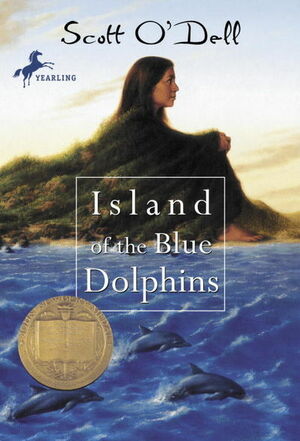
Island of the Blue Dolphins by Scott O’Dell tells the remarkable story of Karana, a young Native American girl who survives alone on an island for eighteen years. This guide provides parents and teachers with reading level information, age recommendations, content insights, and discussion questions for this Newbery Medal-winning survival classic about courage, resilience, and finding strength in solitude.
For Parents
Find the right reading level for your child, understand the book’s themes around survival and isolation, and get conversation starters to help your child explore questions about self-reliance, connection with nature, and the power of the human spirit.
For Teachers
Access grade-level guidance, reading metrics, character analysis support, and thematic discussion questions perfect for classroom use. This Newbery Medal winner offers rich opportunities for exploring survival narratives, Native American history, and human resilience.
Island of the Blue Dolphins at a Glance
Find on Amazon →| Author | Scott O’Dell |
| Published | 1960 |
| Grade Level | 4–6 (our assessment) |
| Recommended Age | 9–12 |
| Flesch-Kincaid Grade | 5.4 |
| Word Count | ~58,000 |
| Pages | 181 (standard paperback) |
| Chapters | 29 |
| Genre | Historical fiction / survival / adventure |
| Setting | San Nicolas Island, California, 1835–1853 |
| Awards | Newbery Medal (1961) |
For official Lexile and AR levels, visit Lexile.com or AR BookFinder. ReadingVine provides independent editorial assessments.
What Reading Level Is Island of the Blue Dolphins?
Island of the Blue Dolphins is appropriate for grades 4–6, with a Flesch-Kincaid grade level of 5.4. The vocabulary includes descriptive nature terms and some words from Karana’s Native American language, but context usually makes meanings clear. The sentence structure is straightforward, though O’Dell uses a more formal, literary style than contemporary middle-grade fiction.
O’Dell writes with spare, elegant prose that reflects the isolation and self-sufficiency of Karana’s experience. The narrative is told in first person from Karana’s perspective, looking back on her years alone. The pacing is deliberate rather than rushed, with detailed descriptions of how Karana makes tools, builds shelter, and survives. This slower, more contemplative pacing may challenge readers accustomed to fast-paced contemporary novels, but it serves the story’s themes of patience, observation, and resilience.
While strong fourth graders can handle the reading mechanics, the emotional weight—years of complete isolation, deaths of loved ones and animal companions, the psychological challenge of solitude—resonates most deeply with fifth and sixth graders who can appreciate both the survival story and the deeper themes about what humans need to survive emotionally, not just physically. It’s an excellent choice for readers ready for classic survival literature with literary merit.
What Age Is Island of the Blue Dolphins Appropriate For?
Island of the Blue Dolphins is most appropriate for readers ages 9–12. The story deals with death, violence (including between humans and animals), and profound isolation. While O’Dell doesn’t dwell on graphic details, the realities of survival—hunting, injuries, death—are present and require readers mature enough to handle these themes without being overwhelmed.
Death and violence: Karana’s brother is killed by wild dogs early in the story. Her father and other tribe members die in a battle with hunters. Animals die—some as food, some as companions. These deaths are part of the survival reality.
Animal hunting and killing: Karana hunts fish, seals, and other animals for food and clothing. She also kills wild dogs in revenge. These scenes are not gratuitously violent but are present.
Profound isolation: Karana spends eighteen years completely alone. The psychological weight of this isolation, especially early on, can be heavy for some readers.
Tribal conflict: Early in the book, Russian hunters and Aleut warriors slaughter many of Karana’s tribe members. This violence is not graphically described but is a traumatic event.
Survival hardship: Karana faces hunger, injury (including a dog attack), natural disasters (earthquakes, tsunamis), and the constant challenge of meeting basic needs alone.
What’s NOT in the book: No profanity, no sexual content, no gratuitous violence. The difficult content serves the survival narrative and historical reality. O’Dell treats death and violence matter-of-factly as part of life’s natural cycle rather than dwelling on suffering. The tone is ultimately hopeful, emphasizing Karana’s strength and adaptability.
What Is Island of the Blue Dolphins About?
Karana is a twelve-year-old girl living with her tribe on San Nicolas Island, off the coast of California, in the early 1800s. Her people, the Ghalas-at, have lived on the island for generations, but their numbers have dwindled after conflict with Russian fur hunters and their Aleut workers who come to hunt sea otters. When the hunters return and a battle erupts over payment for the otters, many of the tribe’s men—including Karana’s father, the chief—are killed.
With so few men left, the tribe can barely survive. A ship eventually comes to take the remaining tribe members to the mainland. As the ship prepares to leave, Karana realizes her younger brother Ramo is not aboard—he went back for his spear. Unable to leave him behind, Karana jumps off the ship and swims back to shore. The ship sails away, and Karana believes it will return soon. But she and Ramo are now alone on the island.
Within days, tragedy strikes. Ramo is killed by a pack of wild dogs while collecting shells. Karana is devastated and utterly alone. She’s twelve years old, completely isolated, with no certainty that anyone will ever return. At first, she’s consumed by grief and thoughts of revenge against the wild dogs. But as days turn to weeks and weeks to months, Karana realizes she must focus on survival.
Karana begins the slow work of making the island her home. She builds shelter, first in her old village and then in a more protected cave on a cliff. She makes weapons—though tribal law forbids women to make weapons, she has no choice. She hunts for food, gathers abalone, catches fish, and learns to preserve meat. She makes clothing from seal and sea otter skins. She survives an earthquake and a tsunami. Slowly, methodically, she creates a life.
Years pass—one year, then two, then five. The seasons cycle through. Karana begins to see the island not as a prison but as home. She befriends animals rather than seeing them only as food or threats. She rescues and tames Rontu, the leader of the wild dog pack that killed her brother, and he becomes her devoted companion. She befriends two birds—Tainor and Lurai—and an otter she names Mon-a-nee. These animals become her family, filling the void of human companionship.
One spring, Aleut hunters return to the island with a Russian captain. Karana hides from them, but she watches from afar and becomes fascinated by Tutok, a young Aleut girl. Eventually, they meet and form a tentative friendship despite not sharing a language. When the hunters leave, Karana is alone again, but the brief connection reminds her of what she’s missing.
More years pass. Rontu grows old and dies, leaving Karana heartbroken. She adopts Rontu’s son, Rontu-Aru, who becomes her new companion. She continues her routines—gathering food, maintaining her home, watching the seasons change. The island has become so familiar that she can navigate it in darkness, knows every plant and animal, understands the rhythms of the sea.
Finally, after eighteen years, a ship arrives. This time, Karana decides to reveal herself. She’s rescued by missionaries and taken to the California mainland, to the Mission Santa Barbara. The book ends with Karana leaving the island, carrying with her Rontu-Aru and a cage of birds, her last connections to the place that was both her prison and her home for nearly two decades.
Island of the Blue Dolphins Characters
Island of the Blue Dolphins Themes and Lessons
At its heart, Island of the Blue Dolphins is about discovering inner strength through extreme adversity. Karana learns that she can not only survive alone but can create a meaningful life even in profound isolation. The book teaches that resilience isn’t just about physical survival—it’s about finding purpose, maintaining hope, and adapting emotionally as well as practically. Karana’s transformation from a frightened girl seeking revenge to a woman who lives in harmony with her environment shows that hardship can lead to wisdom and growth.
The book also explores the relationship between humans and nature. Initially, Karana sees the island’s animals as resources or enemies. But over time, she learns to live with them as companions and equals. Her friendship with Rontu—the dog who killed her brother—represents her ability to forgive and move beyond revenge toward compassion. This shift from dominance to harmony reflects a deeper understanding of her place in the natural world and suggests that connection and empathy are essential human needs, even when those connections are with animals rather than people.
Discussion questions for families:
- How does Karana change from the beginning of the book to the end? What causes these changes?
- Why does Karana eventually befriend Rontu instead of killing him? What does this show about her character growth?
- Karana breaks tribal law by making weapons. Was this the right choice? What does the book teach about rules versus survival?
- Do you think Karana was happy on the island by the end? Would you have chosen to leave when the ship came?
How Many Pages and Chapters in Island of the Blue Dolphins?
Island of the Blue Dolphins has 181 pages in the standard paperback edition and is divided into 29 chapters. The word count is approximately 58,000 words. The chapters vary in length, averaging about 6 pages each, with each typically covering a specific season or event in Karana’s survival journey.
For independent readers in the target age range (9–12), the book typically takes 5–7 hours to complete, or about one to two weeks of reading 30 minutes per day. The deliberate pacing and descriptive passages mean some readers take longer than with faster-paced contemporary novels, but the survival story keeps most readers engaged throughout.
As a read-aloud, Island of the Blue Dolphins takes approximately 4.5–5.5 hours total. The book works well as a family or classroom read-aloud because the survival challenges naturally prompt discussions about problem-solving, resilience, and what humans need to thrive. The episodic structure—with each chapter often focusing on a specific season or challenge—makes it easy to read in manageable sections.
Books Similar to Island of the Blue Dolphins
If your child enjoyed Island of the Blue Dolphins, here are six similar books that explore themes of survival, self-reliance, and resilience:
About Scott O’Dell
Scott O’Dell (1898–1989) was an American author who wrote primarily historical fiction for young readers. Born in Los Angeles, O’Dell worked for years as a newspaper writer and book reviewer before publishing his first novel for young people, Island of the Blue Dolphins, when he was over sixty years old. The book was inspired by the true story of Juana Maria, a Native American woman who lived alone on San Nicolas Island from 1835 to 1853. O’Dell never met her—she died shortly after being brought to the mainland—but he researched her story extensively and imagined what her life might have been like. Island of the Blue Dolphins won the Newbery Medal in 1961 and became one of the most enduring classics in children’s literature. O’Dell went on to write more than 25 books for young readers, many of them historical novels set in various periods and locations. His works are known for their historical accuracy, strong protagonists (often girls facing adversity), and themes of courage and survival. He won numerous awards throughout his career, including three Newbery Honor awards for other books. In 1972, he established the Scott O’Dell Award for Historical Fiction, which continues to honor the best historical fiction for children published each year. O’Dell lived in Westchester County, New York, for much of his later life and continued writing until his death in 1989. Island of the Blue Dolphins remains his most famous work and continues to be taught in schools across America, introducing new generations to Karana’s remarkable story of survival and resilience.
Island of the Blue Dolphins: Frequently Asked Questions
Is Island of the Blue Dolphins based on a true story?
Yes, Island of the Blue Dolphins is based on the true story of Juana Maria, a Native American woman who lived alone on San Nicolas Island off the California coast from 1835 to 1853—a total of eighteen years. She was accidentally left behind when her tribe was relocated to the mainland, similar to what happens to Karana in the book. Juana Maria was eventually rescued and brought to the Mission Santa Barbara, but she died within weeks, unable to communicate her story because no one spoke her language. Scott O’Dell fictionalized her story, creating the character of Karana and imagining what those eighteen years of solitude might have been like. While the specific events and details are invented, the core situation—a woman surviving alone for nearly two decades—is true.
How long was Karana alone on the island?
Karana lived alone on the island for eighteen years. She was twelve years old when she jumped off the ship to stay with her brother Ramo, and she was in her early thirties when she was finally rescued. The book chronicles different seasons and events across those years, showing how she adapted to long-term survival and how the island gradually became her home rather than her prison. The eighteen-year timespan emphasizes the enormity of her achievement—she didn’t just survive briefly but created a complete, self-sufficient life.
Why doesn’t Karana leave on the first ship that comes?
Several ships approach the island during Karana’s eighteen years there, but she hides from them rather than seeking rescue. Initially, she hides because she’s afraid—the Aleut hunters who come are the same people who fought with her tribe. Later, when she sees Tutok and forms a brief friendship, she’s still not ready to leave. By the end, the island has become her home, and she’s built a life there. She finally chooses to leave when missionaries arrive, suggesting she’s ready for human connection again. The book implies that Karana had to reach a certain point emotionally before she could leave—she needed to feel complete rather than desperate.
What happens to Rontu in Island of the Blue Dolphins?
Rontu, the wild dog who becomes Karana’s closest companion, eventually dies of old age. His death is one of the most emotional moments in the book because he’s been Karana’s primary companion for many years. After Rontu dies, Karana grieves deeply but eventually adopts Rontu’s son, Rontu-Aru, who resembles his father and helps fill the void. Rontu’s death illustrates the cycle of life that Karana has come to understand during her years on the island—loss is inevitable, but connection and companionship continue in new forms.
Why does Karana befriend the dog that killed her brother?
Initially, Karana wants revenge against the wild dog pack, especially their leader Rontu. She wounds Rontu with an arrow but then finds him suffering and, moved by compassion, nurses him back to health instead of killing him. This marks a crucial turning point in Karana’s character—she moves from seeking revenge to choosing forgiveness and connection. Befriending Rontu shows her emotional growth and her realization that companionship is more valuable than revenge. Rontu becomes her most important relationship on the island, demonstrating that forgiveness and moving forward are more powerful than holding onto grief and anger.
What grade level is Island of the Blue Dolphins for?
Island of the Blue Dolphins is appropriate for grades 4–6 (ages 9–12). The reading level is accessible to fourth graders, though the Flesch-Kincaid grade level of 5.4 suggests it’s most comfortable for fifth and sixth graders. The content—including deaths, animal hunting, and profound isolation—requires emotional maturity. It’s commonly taught in fifth grade classrooms where teachers can provide historical context about Native American history and facilitate discussions about survival, resilience, and the human need for connection. Some schools use it in fourth or sixth grade depending on the students’ reading abilities and emotional readiness.
Are there sequels to Island of the Blue Dolphins?
Yes, Scott O’Dell wrote one sequel: Zia, published in 1976. Zia follows Karana’s niece (also named Zia) who lives at the Mission Santa Barbara and tries to find her aunt on the island. The book provides some closure about what happened to Karana after she left the island, though it focuses more on Zia’s story than Karana’s. While Zia is a well-written book, it’s not as widely read or taught as Island of the Blue Dolphins. Most readers find Island of the Blue Dolphins works perfectly as a standalone novel.
What is the main message of Island of the Blue Dolphins?
The main message is that humans possess remarkable resilience and adaptability, capable of not just surviving but thriving even in the most extreme circumstances. The book teaches that strength comes from within, that we can find purpose and meaning even in isolation, and that connecting with the world around us—whether through nature or animals—is essential to the human spirit. It also emphasizes that growth often comes through hardship, that forgiveness is more powerful than revenge, and that adaptation requires letting go of old ways and embracing new realities. Karana’s transformation from a frightened girl to a self-sufficient woman shows that we often don’t know our own strength until we’re forced to find it.