
 = Partner Site
Where the Red Fern Grows Reading Level: A Complete Guide
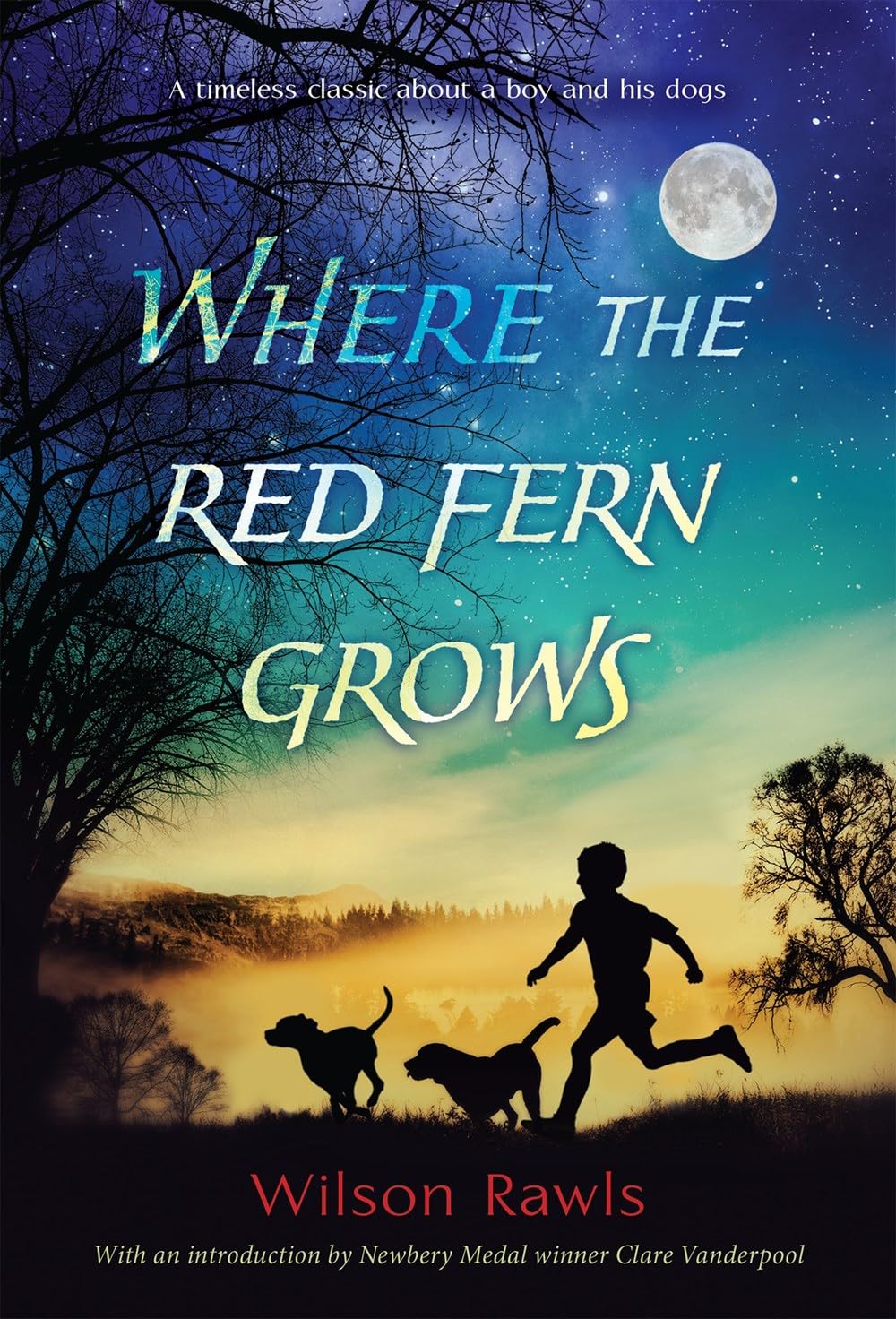
Where the Red Fern Grows by Wilson Rawls tells the unforgettable story of a boy and his two beloved coonhounds in the Ozark Mountains. This guide provides parents and teachers with reading level information, age recommendations, content insights, and discussion questions for this classic tale of determination, loyalty, and the powerful bond between a boy and his dogs.
For Parents
Find the right reading level for your child, understand the book’s emotional impact (especially the ending), and get conversation starters to help your child process themes of perseverance, loss, and unconditional love.
For Teachers
Access grade-level guidance, reading metrics, character analysis support, and thematic discussion questions perfect for classroom use. This beloved classic offers rich opportunities for exploring determination, coming-of-age, and the deep connections between humans and animals.
Where the Red Fern Grows at a Glance
Find on Amazon →| Author | Wilson Rawls |
| Published | 1961 |
| Grade Level | 4–6 (our assessment) |
| Recommended Age | 10–13 |
| Flesch-Kincaid Grade | 4.9 |
| Word Count | ~60,000 |
| Pages | 212 (standard paperback) |
| Chapters | 20 |
| Genre | Children’s fiction / coming-of-age / historical fiction |
| Setting | Ozark Mountains, Oklahoma, during the Great Depression |
| Awards | Classic (no specific awards, but enduringly popular) |
For official Lexile and AR levels, visit Lexile.com or AR BookFinder. ReadingVine provides independent editorial assessments.
What Reading Level Is Where the Red Fern Grows?
Where the Red Fern Grows is appropriate for grades 4–6, with a Flesch-Kincaid grade level of 4.9. The vocabulary is accessible, with straightforward language that reflects Billy’s rural voice. The sentence structure is relatively simple, making the mechanics manageable for fourth graders. However, the emotional weight of the story—particularly the ending—requires maturity that makes it most suitable for fifth and sixth graders.
Rawls writes in first person from adult Billy’s perspective as he remembers his childhood, which creates an intimate, conversational tone. The Ozark dialect and hunting terminology may be unfamiliar to some readers, but context usually makes meanings clear. The pacing is steady, with detailed descriptions of coon hunting that some readers find thrilling and others find slow, depending on their interest in outdoor adventure.
While strong fourth graders can handle the reading mechanics, the story’s emotional impact—dealing with death, loss, and grief—resonates most deeply with readers ages 10–13 who have the maturity to process these heavy themes. The book rewards readers who can appreciate both the adventure story and the deeper coming-of-age narrative about growing up, accepting loss, and understanding that love sometimes means letting go.
What Age Is Where the Red Fern Grows Appropriate For?
Where the Red Fern Grows is most appropriate for readers ages 10–13. The story deals with significant loss and grief, including the deaths of beloved animal characters. While these deaths are part of the story’s emotional arc and teach important lessons about life’s cycles, they can be devastating for younger or more sensitive readers. Parents should be prepared to support children through the book’s sad ending.
Animal deaths: Both of Billy’s dogs die by the end of the book. Old Dan dies from injuries sustained in a fight with a mountain lion. Ann dies of grief shortly after, unable to live without her brother. These deaths are described in detail and are emotionally intense.
Animal violence: The book includes detailed hunting scenes where dogs chase, tree, and kill raccoons. There’s also a graphic fight between the dogs and a mountain lion that results in injuries.
A human death: A boy dies after falling onto an axe during a confrontation. While not extremely graphic, it’s a shocking moment in the story.
Poverty and hardship: The family struggles financially during the Depression. Billy’s determination to earn money for his dogs comes from genuine need, not just want.
Intense grief: The final chapters depict Billy’s profound sorrow at losing his dogs. The emotional intensity can be overwhelming for sensitive readers.
What’s NOT in the book: No profanity, no sexual content, no gratuitous violence. The difficult content serves the story’s themes about the circle of life, the cost of love, and growing up. The ending, while sad, includes the symbol of the red fern, which offers hope and spiritual comfort.
What Is Where the Red Fern Grows About?
The story is narrated by Billy Colman as an adult, remembering events from his childhood in the Ozark Mountains during the Great Depression. When Billy was ten years old, he desperately wanted a pair of redbone coonhounds for hunting, but his poor family couldn’t afford them. Determined and resourceful, Billy spent two years doing odd jobs to save the fifty dollars needed to buy two puppies from a kennel in Kentucky. He walked miles to town to pick them up, naming them Old Dan (the brave male) and Little Ann (the smart female).
Billy trained his dogs to be expert coon hunters, and together they became an unstoppable team. Old Dan provided the strength and courage, Little Ann supplied the intelligence and strategy, and Billy’s determination held them together. They hunted through the nights, developing a deep bond and earning money from selling raccoon pelts. Billy’s grandfather entered them in a championship coon hunt, and against all odds, they won, defeating experienced hunters with expensive dogs.
The money Billy won helped his family, and his father promised they could move to town so the children could get a better education. But before they could move, tragedy struck. While hunting one night, Billy and his dogs encountered a mountain lion. In the fierce battle that followed, the dogs fought courageously to protect Billy, but Old Dan was mortally wounded. Despite Billy’s desperate care, Old Dan died from his injuries.
Little Ann, heartbroken at losing her brother and hunting partner, lost her will to live. She refused to eat and died on Old Dan’s grave just days later, unable to go on without him. Billy was devastated, having lost both of his beloved companions. When Billy visited the dogs’ graves, he found a red fern growing between them—a legendary plant that, according to Indian legend, can only be planted by an angel and marks a sacred spot. The red fern gave Billy comfort, suggesting that something beautiful and holy could grow from loss. The family moved to town as planned, but Billy carried the memory of his dogs and the lessons they taught him about love, loyalty, and the bittersweet nature of life.
Where the Red Fern Grows Characters
Where the Red Fern Grows Themes and Lessons
At its heart, Where the Red Fern Grows is about the transformative power of love and loss. Billy’s relationship with his dogs teaches him about unconditional devotion—the dogs would die for him, and he loves them with his whole heart. The book doesn’t shy away from the reality that loving deeply means risking profound grief, but it argues that this love is still worth it. Billy grows up through his loss, learning that part of becoming an adult is accepting that beautiful things don’t last forever.
The book also celebrates determination and hard work. Billy’s two-year quest to save money for his dogs demonstrates that perseverance can help you achieve seemingly impossible goals. His dedication to training the dogs and hunting with them shows that mastery requires patience and practice. The hunting championship proves that heart and determination can triumph over wealth and experience—Billy’s dogs weren’t expensive purebreds from fancy kennels, but they won because of the bond they shared and the work they’d put in together.
Discussion questions for families:
- Why do you think Billy worked so hard for two years to save money for his dogs? What does this tell us about determination?
- How are Old Dan and Little Ann different from each other? How do they work together as a team?
- The book ends with both dogs dying. Why do you think the author chose this ending instead of a happy one?
- What does the red fern symbolize? How does it help Billy cope with his loss?
How Many Pages and Chapters in Where the Red Fern Grows?
Where the Red Fern Grows has 212 pages in the standard paperback edition and is divided into 20 chapters. The word count is approximately 60,000 words, making it a substantial read for middle-grade readers. The chapters vary in length, averaging about 10–11 pages each, with most chapters centered around specific hunting adventures or family moments.
For independent readers in the target age range (10–13), the book typically takes 6–8 hours to complete, or about two weeks of reading 30 minutes per day. The detailed hunting descriptions and slower pacing in the middle sections mean some readers take longer, while those captivated by the story may read faster. The emotional ending often prompts readers to slow down and process what’s happening.
As a read-aloud, Where the Red Fern Grows takes approximately 5–6 hours total. Many families and classrooms read it aloud because the emotional content can be easier to process with adult support. The hunting adventures make for exciting read-aloud sessions, and adults can help children navigate the sad ending by being present for discussions about loss, grief, and the meaning of the red fern.
Books Similar to Where the Red Fern Grows
If your child enjoyed Where the Red Fern Grows, here are six similar books that explore themes of animals, loyalty, and coming-of-age through loss:
About Wilson Rawls
Wilson Rawls (1913–1984) was an American author best known for Where the Red Fern Grows and his only other novel, Summer of the Monkeys. Born in the Ozark Mountains of Oklahoma, Rawls grew up in poverty during the Depression, much like his character Billy. His family moved frequently, following logging and farming work, and Rawls received little formal education. Despite being largely self-taught, he loved reading and dreamed of becoming a writer. Rawls wrote the first draft of Where the Red Fern Grows when he was a young man, but ashamed of his poor spelling and grammar, he burned the manuscript. Years later, his wife Sophie encouraged him to rewrite the story from memory. She helped him edit it, and it was published in 1961 when Rawls was nearly fifty years old. The book became an instant classic, beloved for its honest portrayal of rural life, its emotional depth, and its unforgettable depiction of the bond between a boy and his dogs. Rawls drew heavily from his own childhood experiences hunting with dogs in the Ozarks, giving the story its authentic voice and emotional resonance. Where the Red Fern Grows has sold millions of copies and remains a staple in American classrooms, touching generations of readers with its story of love, loss, and the red fern that symbolizes hope and sacred memory.
Where the Red Fern Grows: Frequently Asked Questions
Is Where the Red Fern Grows based on a true story?
Where the Red Fern Grows is not based on a specific true story, but Wilson Rawls drew heavily from his own childhood experiences growing up in the Ozark Mountains during the Great Depression. Rawls hunted with dogs as a boy and knew firsthand the poverty, determination, and deep bonds with animals that he describes in the book. While Billy Colman is a fictional character, many of the hunting adventures and the rural setting reflect Rawls’s real experiences. The emotional truth of the story—the love for dogs, the pain of loss—comes from Rawls’s genuine understanding of that life.
Why do both dogs die in Where the Red Fern Grows?
Both dogs die because the book is fundamentally about the cost of love and the process of growing up. Old Dan dies protecting Billy from a mountain lion, showing the ultimate loyalty and sacrifice. Little Ann dies of grief because she can’t live without her brother—their bond was so deep that losing Old Dan meant losing her will to survive. These deaths are heartbreaking but essential to the story’s message: loving deeply means risking profound loss, but that love is still worth it. Billy learns that growing up means accepting that beautiful things don’t last forever, but the love and memories remain. The deaths transform Billy from a child into someone who understands life’s deeper truths.
What does the red fern symbolize?
The red fern symbolizes something sacred growing from loss and grief. According to the legend in the book, a red fern can only be planted by an angel and marks a sacred spot. When Billy finds the red fern growing between his dogs’ graves, it gives him comfort—it suggests that his dogs’ resting place is blessed, that their love was holy, and that something beautiful can grow from sorrow. The red fern represents hope, spiritual comfort, and the idea that love and sacrifice are never truly lost. It helps Billy accept his grief and find meaning in his loss, showing that while the dogs are gone, the love they shared was eternal and sacred.
How does Old Dan die in Where the Red Fern Grows?
Old Dan dies from injuries sustained while fighting a mountain lion. During a hunt, Billy and his dogs encounter a mountain lion, and both dogs attack it to protect Billy. The fight is fierce and violent, with both dogs showing incredible courage. Old Dan is badly wounded, with deep cuts from the lion’s claws. Billy carries him home and tries desperately to save him, but Old Dan’s injuries are too severe. He dies despite Billy’s efforts, having given his life to protect the boy he loved. His death demonstrates the ultimate loyalty and the price of unconditional love.
Is Where the Red Fern Grows too sad for kids?
Where the Red Fern Grows is undeniably sad, especially the ending where both dogs die. However, whether it’s “too sad” depends on the child’s maturity and sensitivity. The book is recommended for ages 10–13 because children this age can usually process the themes of loss and grief with appropriate support. Many parents and teachers believe the book provides valuable lessons about love, sacrifice, and the cycle of life, even though the ending is painful. The red fern offers comfort and hope, suggesting that something meaningful remains even after loss. Parents should be prepared to support their children emotionally, and it’s perfectly okay to talk about the ending beforehand or read it together so children aren’t processing the grief alone.
What grade level is Where the Red Fern Grows appropriate for?
Where the Red Fern Grows is appropriate for grades 4–6 (ages 10–13). The reading level is accessible to fourth graders, but the emotional content—particularly the deaths of both dogs—is best suited for fifth and sixth graders who have the maturity to process loss and grief. The book includes detailed hunting scenes that some younger readers may find slow or disturbing, and the ending can be overwhelming for sensitive children. It’s commonly taught in fifth and sixth grade classrooms where teachers can provide context and support for discussing the book’s heavy themes.
Are there real red ferns?
The “red fern” as described in the book—a rare, sacred plant that can only be planted by an angel—is a legend created by Wilson Rawls for the story. There isn’t a real plant called a “red fern” that matches this description or legend. However, Rawls may have been inspired by real ferns that turn reddish in autumn or by other plants native to the Ozarks. The red fern in the book is symbolic rather than botanical—it represents hope, divine blessing, and the sacred nature of love and sacrifice. Its legendary status is what makes it meaningful in the story.
What is the main message of Where the Red Fern Grows?
The main message is that loving deeply—whether people or animals—requires the courage to accept that loss is inevitable, but that love is still worth it. The book teaches that determination and hard work can help you achieve your dreams, that loyalty and devotion are among life’s greatest virtues, and that growing up means learning to find meaning and beauty even in grief. Billy’s journey shows that the love we give and receive is never wasted, even when it ends in heartbreak. The red fern symbolizes the idea that something sacred and eternal grows from genuine love, and that those we love are never truly gone as long as we remember them.