
 = Partner Site
Sounder Reading Level: A Complete Guide
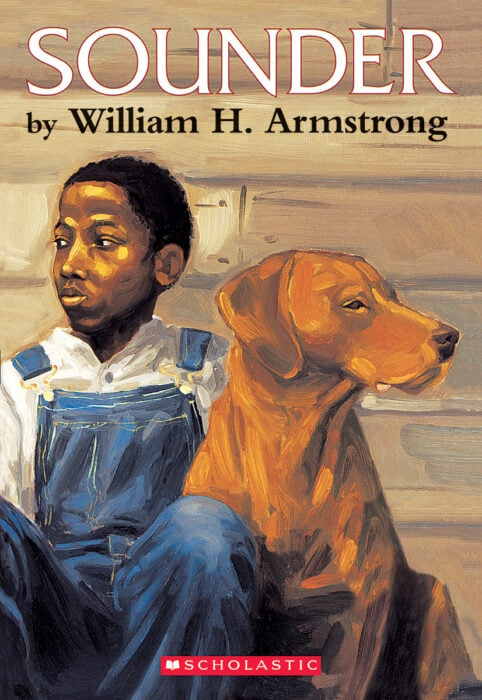
Sounder by William H. Armstrong tells the powerful and heartbreaking story of an African American sharecropper family during the Depression era, and their loyal coon dog Sounder. This guide provides parents and teachers with reading level information, age recommendations, content insights, and discussion questions for this Newbery Medal-winning novel about poverty, injustice, dignity, and the enduring bonds of family.
For Parents
Find the right reading level for your child, understand the book’s themes around racism and injustice, and get conversation starters to help your child explore questions about poverty, dignity in the face of oppression, and the strength required to survive systemic injustice.
For Teachers
Access grade-level guidance, reading metrics, character analysis support, and thematic discussion questions perfect for classroom use. This Newbery Medal winner offers rich opportunities for exploring Jim Crow era history, systemic racism, poverty, and human dignity under oppression.
Sounder at a Glance
Find on Amazon →| Author | William H. Armstrong |
| Published | 1969 |
| Grade Level | 5–7 (our assessment) |
| Recommended Age | 10–13 |
| Flesch-Kincaid Grade | 4.8 |
| Word Count | ~31,000 |
| Pages | 116 (standard paperback) |
| Chapters | 8 (unnumbered chapters) |
| Genre | Historical fiction / realistic fiction |
| Setting | Rural South, Depression era (1930s) |
| Awards | Newbery Medal (1970) |
For official Lexile and AR levels, visit Lexile.com or AR BookFinder. ReadingVine provides independent editorial assessments.
What Reading Level Is Sounder?
Sounder is appropriate for grades 5–7, with a Flesch-Kincaid grade level of 4.8. While the vocabulary and sentence structure are accessible—Armstrong writes with spare, simple prose—the emotional and thematic complexity requires mature comprehension. The book deals with extreme poverty, brutal racism, and overwhelming injustice in ways that demand readers understand not just what happens but what these events mean about American history and human dignity.
Armstrong writes with deliberate restraint and economy. The prose is almost biblical in its simplicity and dignity, never sensationalizing the family’s suffering but presenting it with quiet power. The narrative style is somewhat distant—characters aren’t named except Sounder, and Armstrong tells rather than shows many events—which creates a fable-like quality. This stylistic choice allows the story to feel timeless and universal while still being rooted in the specific horrors of Jim Crow-era sharecropping.
While the sentence-level reading is manageable for fifth graders, the book resonates most deeply with sixth and seventh graders who can understand systemic racism (not just individual meanness), appreciate why the family endures injustice without fighting back (survival under oppression, not weakness), and grasp the historical context of sharecropping as exploitation. This is emotionally heavy literature that requires maturity to process the tragedy and injustice without becoming overwhelmed.
What Age Is Sounder Appropriate For?
Sounder is most appropriate for readers ages 10–13. The story deals with racism, poverty, violence, and death in ways that are emotionally difficult. While Armstrong doesn’t include graphic descriptions, the reality of what happens—a father unjustly imprisoned, a beloved dog shot and maimed, crushing poverty, racial violence—requires readers mature enough to process tragedy and injustice.
Racism and systemic injustice: The family faces constant racism. The father is arrested for stealing food to feed his starving children, receives a vastly disproportionate sentence, and is brutalized in prison. White authorities treat Black people with casual cruelty.
Violence: A sheriff shoots Sounder in the face/head, severely wounding him. The father is beaten in prison and returns home with permanent disabilities. A deputy threatens violence against the boy.
Death: Both the father and Sounder die. These deaths are not graphically described but are emotionally devastating.
Extreme poverty: The family lives in desperate poverty—sometimes going hungry, wearing rags, living in a shack. The poverty is depicted honestly and without sentimentality.
Hopelessness: Much of the book deals with enduring circumstances that cannot be changed. The family has no legal recourse, no escape from exploitation, no justice available to them.
Imprisonment and brutality: The father is sent to a brutal chain gang where he is physically broken by the harsh labor and his injuries. His treatment is inhumane and unjust.
What’s NOT in the book: No profanity, no sexual content, no gratuitously graphic violence. The difficult content serves the historical truth. The tone is dignified and respectful of the family’s suffering. While the ending is tragic, it also affirms the boy’s education and hope for a different future, suggesting that dignity and love persist even in the face of overwhelming injustice.
What Is Sounder About?
An unnamed African American boy lives with his family—mother, father, and several younger siblings—in a small sharecropper cabin in the rural South during the Depression. They own almost nothing: a few cooking pots, their clothes, and Sounder, a magnificent coon dog whose bark is so powerful and musical it can be heard for miles. Sounder is the father’s hunting companion and the family’s greatest treasure. The dog represents dignity, loyalty, and the few joys available to the desperately poor family.
The family is starving. Sharecropping keeps them perpetually in debt to the white landowner, and the meager crops they’re allowed to keep aren’t enough to survive on. The father hunts to supplement their food, but game is scarce. One night, the father goes out and doesn’t hunt with Sounder—the boy knows something different is happening. The next morning, there’s ham and sausage for breakfast, more food than the family has seen in weeks. The boy doesn’t ask where it came from, but he understands his father has stolen it.
Soon after, the sheriff and his deputies arrive at the cabin. They’ve come for the father—he stole a ham from a white man’s smokehouse. The father is arrested while the family watches helplessly. As the lawmen load him into their wagon, Sounder runs after his master, barking frantically. One of the deputies shoots Sounder in the face, severely wounding the dog. Sounder crawls away to die, and the father is taken to jail.
The father is convicted and sentenced to hard labor—years on a brutal chain gang for stealing food to feed his starving children. This grossly disproportionate sentence reflects the racist “justice” system that existed to control and punish Black people. The mother and boy are not allowed to visit the father; they’re not even told where he’s being held. They’re left without their primary provider, deeper in poverty, and with no information about when or if he’ll return.
Miraculously, Sounder returns weeks later, but he’s been transformed. Half his face is destroyed, one ear is gone, and his vocal cords are damaged—his magnificent voice is reduced to a rasping whisper. He’s alive but permanently maimed, a physical manifestation of the violence and cruelty the family faces. Yet Sounder’s return gives the family hope, and the boy loves the dog even more deeply.
The boy spends years searching for his father, walking to various work camps and prisons asking for information, facing rejection and hostility from white guards. He’s never allowed to see his father, though once he catches a glimpse of men on a chain gang and believes he sees him. The boy continues going to these places, enduring humiliation and threats, driven by love and loyalty.
During one of these journeys, the boy meets a kind teacher—a Black man who runs a small school. This teacher gives the boy books and offers him education. For the first time, the boy has access to learning and the possibility of a different future. He begins studying with the teacher, discovering that education might be a path to a life better than the crushing poverty and injustice his parents have endured.
Years pass. The boy grows older, continuing his education while helping his mother and siblings survive. Then one day, the father returns. But he’s broken—an explosion or accident in the prison destroyed part of his shoulder and back, leaving him permanently disabled. He’s dying and has been released to die at home rather than in custody. He’s a shadow of himself, barely able to walk, clearly in his final days.
When the father returns, something miraculous happens: Sounder, who hasn’t made his full sound since being shot, suddenly howls with his old magnificent voice. The dog recognizes his master and, for a brief moment, both are restored to wholeness. But this reunion is brief. Both the father and Sounder die on the same day. The boy buries them together under the trees where they used to hunt.
The book ends with the boy returning to his studies. His father’s death is devastating, but education offers hope—a way to escape the cycle of poverty and exploitation that destroyed his father. The final image is of persistence and quiet dignity: the family endures, the boy learns, and life continues despite unbearable loss. It’s not a happy ending, but it’s one that honors the family’s strength and suggests that while the system remains unjust, individual acts of love, dignity, and education matter.
Sounder Characters
Sounder Themes and Lessons
Sounder explores systemic racism and the brutal realities of sharecropping and Jim Crow justice. The father’s imprisonment for stealing food to feed his starving children—receiving years of hard labor for an act of desperate survival—illustrates how the legal system was designed to control and exploit Black people. The family has no recourse, no justice available to them, and no way to fight back without risking worse violence. The book shows that racism isn’t just individual prejudice but an entire system designed to strip dignity and opportunity from Black families.
The book also celebrates dignity maintained under oppression. Despite overwhelming injustice, the family treats each other with love and respect. They persist, they endure, they refuse to be broken spiritually even as they’re crushed materially. The mother’s strength, the father’s quiet acceptance, and the boy’s determination to honor his parents through education all demonstrate that dignity isn’t defined by circumstances but by how we conduct ourselves and care for each other.
Discussion questions for families:
- Why doesn’t the father receive a fair trial or proportionate sentence? What does this teach us about the Jim Crow justice system?
- Why do you think Armstrong chose to name only the dog and not the family members? What effect does this have?
- How does education offer the boy hope? Why does the teacher say that learning is the most important thing?
- What does the book teach about maintaining dignity when facing overwhelming injustice? How does the family show strength?
How Many Pages and Chapters in Sounder?
Sounder has 116 pages in the standard paperback edition and is divided into 8 unnumbered chapters. The word count is approximately 31,000 words. The chapters are substantial, averaging about 14 pages each, and typically cover significant periods of time or major events—the father’s arrest, Sounder’s return, the boy’s search, meeting the teacher, the father’s return and death.
For independent readers in the target age range (10–13), the book typically takes 3–4 hours to complete, or about one week of reading 30–40 minutes per day. The spare prose makes it move quickly, but the emotional weight requires readers to pause and process. Many readers need time between chapters to absorb the tragedy and injustice.
As a read-aloud, Sounder takes approximately 3–4 hours total. The book is commonly taught in sixth and seventh grade with historical context about sharecropping, Jim Crow laws, and the Depression. Teachers typically pair it with nonfiction resources about the historical period to help students understand the systemic nature of the injustice depicted. The book requires careful discussion about racism, poverty, and justice, and works best when students have support processing the difficult content.
Books Similar to Sounder
If your child read Sounder and wants to explore similar themes of injustice, dignity, and historical struggle, here are six books that address racism, poverty, and resilience:
About William H. Armstrong
William H. Armstrong (1911–1999) was an American author and educator best known for Sounder, which won the Newbery Medal in 1970. Armstrong was a white author who grew up in Virginia and later taught in Connecticut. He said Sounder was inspired by a story he heard as a child from an elderly Black man who worked on his family’s farm. Armstrong claimed he was deeply moved by the man’s story of loss and injustice and wanted to honor it by writing it down. However, the book has been controversial precisely because a white author wrote about Black suffering, and some critics argue that the story perpetuates stereotypes of passive acceptance rather than resistance. Armstrong’s choice to leave the family unnamed has been particularly criticized as potentially dehumanizing, though Armstrong defended it as making the story universal. Despite these controversies, the book remains widely taught for its unflinching portrayal of Jim Crow-era injustice and its literary merit. Armstrong wrote other books, including a sequel called Sour Land (1971), but none achieved the recognition of Sounder. The book was adapted into a film in 1972, which softened some of the book’s bleakness. Armstrong died in 1999, and Sounder remains his most enduring work, read by millions of students as an introduction to historical racism, though increasingly paired with books by Black authors to provide multiple perspectives on these experiences.
Sounder: Frequently Asked Questions
Is Sounder based on a true story?
Sounder was inspired by a story William H. Armstrong heard as a child from an elderly Black man who worked on his family’s farm. However, the characters and specific events in the book are fictionalized—it’s not a documented historical case but rather Armstrong’s literary interpretation of a story he was told. While the story itself is fiction, the historical context it depicts—sharecropping exploitation, the racist justice system, and brutal treatment of Black prisoners—accurately reflects the real experiences of countless Black families during the Jim Crow era. The book represents historical truth about systemic oppression even though the specific family’s story is not factually documented.
Why don’t the characters have names in Sounder?
Only the dog, Sounder, is given a name. Armstrong said he made this choice to make the story universal and timeless—representing all families who suffered under similar circumstances rather than one specific family. However, this choice has been criticized as potentially dehumanizing—only the dog gets a name while the humans are reduced to roles like “the boy” and “the father.” Critics debate whether it’s symbolic of how oppression strips people of identity or whether it’s a literary flaw that inadvertently diminishes the characters’ humanity. The decision remains controversial and is worth discussing when reading the book.
What happens to Sounder in the book?
When the sheriff arrests the father, a deputy shoots Sounder in the head, severely wounding him. The dog crawls away to die, but miraculously returns weeks later permanently maimed—half his face destroyed, one ear gone, and his magnificent voice reduced to a whisper. Years later, when the father returns home dying, Sounder suddenly howls with his old powerful voice one last time. Both the father and Sounder die on the same day, and the boy buries them together. Sounder’s injury and death symbolize the violence of racism and the parallel suffering of the family.
Why was the father arrested in Sounder?
The father was arrested for stealing a ham and sausage to feed his starving family. For this act of desperate survival, he received years of hard labor on a brutal chain gang. The grossly disproportionate punishment—years of imprisonment for stealing food when your children are starving—reflects the racist justice system of the Jim Crow South, which was designed to control, exploit, and punish Black people. This is a central example of systemic injustice in the book: the “crime” was an act of love (feeding his children), but the system treated it as deserving of life-destroying punishment.
Does the father die in Sounder?
Yes, the father dies at the end. After years in prison where he was physically broken by harsh labor and his injuries, he returns home permanently disabled. An explosion or accident in the prison destroyed part of his shoulder and back, leaving him unable to work or even walk properly. He’s dying when he comes home—released because he’s no longer useful as a laborer and wanting to die with his family rather than in custody. He dies shortly after returning, on the same day as Sounder. His death represents the ultimate cost of the unjust system that destroyed him for trying to feed his children.
What grade level is Sounder appropriate for?
Sounder is appropriate for grades 5–7 (ages 10–13). The reading level is accessible with simple, spare prose, but the emotional complexity requires significant maturity. It deals with racism, poverty, violence, death, and systemic injustice in ways that can be overwhelming. It’s commonly taught in sixth and seventh grade with historical context about sharecropping and Jim Crow to help students understand the systemic nature of the injustice. Teachers and parents should provide support to help students process the tragedy and discuss the difficult themes.
Why is Sounder considered controversial?
Sounder is controversial for several reasons: it was written by a white author telling a Black family’s story during an era when Black voices were marginalized; only the dog is named, which some critics see as dehumanizing; the family’s acceptance of injustice might reinforce stereotypes of passivity rather than resistance; and there are questions about whether a white-authored book should be the primary text for teaching about racism when books by Black authors are available. Despite these criticisms, many educators and readers value it for its unflinching portrayal of Jim Crow injustice and its literary power. The controversies make critical discussion about authorship, representation, and perspective important when teaching the book.
What is the main message of Sounder?
The main message is that dignity, love, and family bonds can persist despite overwhelming injustice and oppression. The book teaches that dignity isn’t defined by circumstances or material conditions but by how we treat each other and how we persist with love and integrity. It strongly emphasizes education as a path to liberation—the boy’s learning represents hope for escaping the cycles of poverty and exploitation that destroyed his father. The book is about the tremendous strength required to survive oppression with dignity intact and the enduring power of love, hope, and family bonds even in the darkest and most unjust circumstances.