
 = Partner Site
Shiloh Reading Level: A Complete Guide
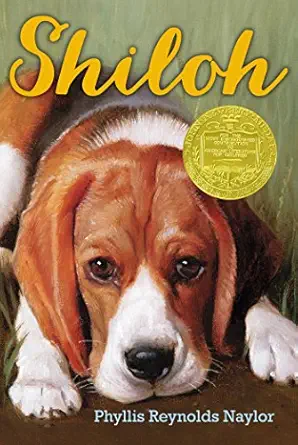
Shiloh by Phyllis Reynolds Naylor tells the powerful story of Marty Preston, an eleven-year-old boy who discovers a mistreated beagle and must decide whether to do what’s right or what’s legal. This guide provides parents and teachers with reading level information, age recommendations, content insights, and discussion questions for this Newbery Medal-winning novel about courage, compassion, and standing up for those who can’t protect themselves.
For Parents
Find the right reading level for your child, understand the book’s themes around animal abuse and moral dilemmas, and get conversation starters to help your child explore questions about doing the right thing, protecting the vulnerable, and when it’s okay to break rules.
For Teachers
Access grade-level guidance, reading metrics, character analysis support, and thematic discussion questions perfect for classroom use. This Newbery Medal winner offers rich opportunities for exploring ethics, animal welfare, and the difference between legal and moral.
Shiloh at a Glance
Find on Amazon →| Author | Phyllis Reynolds Naylor |
| Published | 1991 |
| Grade Level | 4–6 (our assessment) |
| Recommended Age | 9–12 |
| Flesch-Kincaid Grade | 4.4 |
| Word Count | ~38,000 |
| Pages | 144 (standard paperback) |
| Chapters | 15 |
| Genre | Realistic fiction / animal story |
| Setting | Rural West Virginia |
| Awards | Newbery Medal (1992) |
For official Lexile and AR levels, visit Lexile.com or AR BookFinder. ReadingVine provides independent editorial assessments.
What Reading Level Is Shiloh?
Shiloh is appropriate for grades 4–6, with a Flesch-Kincaid grade level of 4.4. The vocabulary is accessible and the sentence structure is straightforward, making the mechanics manageable for fourth graders. The book is written in first person from Marty’s perspective, using the dialect and speech patterns of rural West Virginia, which adds authenticity while remaining readable.
Naylor writes with clarity and emotional honesty, never talking down to young readers. The prose is direct and unpretentious, reflecting Marty’s voice as a thoughtful but practical eleven-year-old. The pacing is steady, with chapters alternating between Marty’s daily challenges hiding and caring for Shiloh and his growing moral struggle about lying to his parents and defying the law.
While strong fourth graders can handle the reading mechanics, the moral complexity—understanding that legal doesn’t always mean right, that good people sometimes do bad things, and that standing up for what’s right can require difficult sacrifices—resonates most deeply with fifth and sixth graders ready to think critically about ethics. It’s an excellent choice for readers ready to grapple with real-world moral dilemmas that don’t have easy answers.
What Age Is Shiloh Appropriate For?
Shiloh is most appropriate for readers ages 9–12. The story deals with animal abuse, lying, and moral dilemmas that require readers mature enough to understand why Marty makes the choices he does, even when those choices involve deception and breaking the law. While there’s no graphic violence, the reality of animal mistreatment is present and can be upsetting.
Animal abuse: Judd Travers kicks and mistreats his dogs. Shiloh arrives with injuries from abuse. While not graphically described, the abuse is real and central to the story’s conflict.
Animal injury: Shiloh is attacked by a German shepherd and suffers serious injuries. The attack and injuries are described in some detail, though not gratuitously.
Lying and deception: Marty lies repeatedly to his parents and others to hide Shiloh. The book explores when lying might be justified, which can be morally complex for young readers.
Ethical dilemmas: The book challenges the idea that legal equals right. Marty must choose between obeying the law (returning Shiloh to an abuser) and doing what he believes is morally right (protecting the dog).
Financial hardship: Marty’s family struggles financially, which affects his ability to care for Shiloh and adds to the story’s tension.
What’s NOT in the book: No profanity, no sexual content, no graphic violence against animals (the abuse is implied and shown through consequences rather than detailed description). The tone is ultimately hopeful, with a satisfying resolution that rewards Marty’s courage and compassion.
What Is Shiloh About?
Eleven-year-old Marty Preston lives with his family in the hills of rural West Virginia. One day while walking in the woods near his home, Marty encounters a young beagle who follows him home. The dog is friendly and gentle, cowering at sudden movements as if he’s been hit. Marty learns the dog belongs to Judd Travers, a neighbor known for mistreating his hunting dogs. Judd comes to retrieve the dog, whose name is Shiloh, and Marty is heartbroken watching the frightened dog leave with his cruel owner.
A few days later, Shiloh runs away again and finds Marty. This time, Marty makes a decision that will change everything: instead of returning Shiloh to Judd, he hides the dog in a makeshift pen in the woods on the hill behind his house. Marty knows this is wrong—legally, Shiloh belongs to Judd, and taking someone else’s dog is stealing. But Marty also believes it’s wrong to send Shiloh back to be abused. He chooses what he believes is the greater good, even though it means lying to his parents and breaking the law.
Keeping Shiloh secret becomes Marty’s all-consuming project. He sneaks food from his own meals to feed the dog. He visits Shiloh multiple times a day to play with him, walk him, and check the pen. He lies to his family about where he goes and what he’s doing. The constant deception weighs on Marty, especially because he comes from a family that values honesty. His father is disappointed in what he perceives as Marty’s recent secretiveness, not knowing the real reason behind it.
The stress intensifies when David Howard, a friend, discovers Shiloh. Marty swears David to secrecy, adding another layer of deception. Then disaster strikes: a German shepherd attacks Shiloh in his pen, badly injuring him. Marty can no longer hide what he’s done—Shiloh needs medical care that only a veterinarian can provide. Marty has to confess to his parents that he’s been hiding the dog for weeks.
Marty’s father is furious, not just about the lying but about the fact that Marty stole another man’s dog. Despite his anger, Dad helps get Shiloh to the vet, Doc Murphy, who treats the dog’s wounds. The family faces a moral and legal dilemma: by law, Shiloh must be returned to Judd. But they all know Judd will likely punish or even kill the dog for running away again. Marty’s mother argues that they can’t keep stolen property, no matter how much they want to save Shiloh.
Marty refuses to give up. He goes to Judd and proposes a deal: he’ll work for Judd, doing odd jobs and chores, to earn money to buy Shiloh. Judd is skeptical and dismissive, but he agrees to let Marty work off the cost—twenty hours at two dollars an hour, forty dollars total for a dog Judd values at less than that. Judd gives Marty the hardest, dirtiest jobs, clearly expecting him to quit.
But Marty persists, working through heat, exhaustion, and difficult tasks. During this time, Marty learns more about Judd—his difficult childhood, his isolation, his inability to trust or show kindness. Marty begins to see Judd as a damaged person rather than simply a villain. The relationship between them slowly, grudgingly, begins to shift toward something closer to understanding, if not friendship.
One day while working, Marty witnesses Judd illegally shooting a doe out of season—a serious crime. Marty now has leverage: he can report Judd to the game warden, or Judd can agree to sell Shiloh to him for a reduced price and fewer work hours. This puts Marty in another moral bind—is it right to blackmail someone, even someone who abuses animals? Marty decides that protecting Shiloh justifies using this leverage.
Judd agrees to the deal, and Marty earns Shiloh. But the resolution isn’t simply transactional. Through their interactions, Judd has begun to change. He sees Marty’s dedication and begins to question his own treatment of animals. The book ends with Marty owning Shiloh legally, Judd showing signs of becoming a better person, and Marty understanding that the world is more complicated than he thought—that people can change, that right and wrong aren’t always clear, and that sometimes doing the right thing requires courage, persistence, and the willingness to see the humanity in everyone, even those who’ve done wrong.
Shiloh Characters
Shiloh Themes and Lessons
At its heart, Shiloh explores the tension between what’s legal and what’s right. Legally, Shiloh belongs to Judd, and taking him is theft. But morally, Marty believes returning Shiloh to an abuser is wrong. The book doesn’t present an easy answer—Marty suffers consequences for his deception, and he has to work hard to find a legitimate solution. The story teaches that doing the right thing is rarely simple or cost-free, but it’s still worth fighting for. Standing up for those who can’t protect themselves requires courage, sacrifice, and creativity.
The book also explores the complexity of people and the possibility of change. Judd isn’t simply a villain—he’s a product of his own harsh upbringing, isolated and unable to show affection or trust. Through Marty’s persistence and willingness to see Judd’s humanity, Judd begins to change. This teaches that people are more than their worst actions, that understanding doesn’t mean excusing but can lead to transformation, and that extending compassion even to difficult people can create positive change.
Discussion questions for families:
- Was Marty right to hide Shiloh and lie to his parents? When, if ever, is it okay to break rules or laws?
- How does Marty’s understanding of Judd change throughout the book? Does understanding why someone is mean make their behavior okay?
- Marty uses blackmail to keep Shiloh. Was this the right choice? Are there times when using leverage against someone is justified?
- What does the book teach about the difference between legal and moral? Can something be legal but still wrong?
How Many Pages and Chapters in Shiloh?
Shiloh has 144 pages in the standard paperback edition and is divided into 15 chapters. The word count is approximately 38,000 words. The chapters vary in length but average about 9–10 pages each, with each typically covering a specific development in Marty’s struggle to save and ultimately earn Shiloh.
For independent readers in the target age range (9–12), the book typically takes 3–5 hours to complete, or about one week of reading 30 minutes per day. The accessible prose and emotionally engaging story keep most readers moving steadily through the book, and many report difficulty putting it down once the tension builds in the middle chapters.
As a read-aloud, Shiloh takes approximately 3–4 hours total. The book works well as a family or classroom read-aloud because the moral dilemmas naturally prompt important discussions about ethics, animal welfare, and when rules should be questioned. The chapters provide good stopping points, and the ultimately hopeful ending provides satisfying closure.
Books Similar to Shiloh
If your child enjoyed Shiloh, here are six similar books that explore themes of protecting animals, moral courage, and standing up for what’s right:
About Phyllis Reynolds Naylor
Phyllis Reynolds Naylor (1933–2024) was one of America’s most prolific and beloved children’s authors, having written more than 135 books across multiple genres over her six-decade career. Born in Indiana, Naylor began writing stories as a child and published her first book in 1967. She wrote everything from picture books to young adult novels, but she’s best known for Shiloh, which won the Newbery Medal in 1992. The story was inspired by a real incident: while visiting West Virginia, Naylor encountered a frightened, abused dog and thought about what she would do if she were a child who found such an animal. The moral dilemma—whether to return a mistreated dog to its legal owner or protect it—became the foundation for Shiloh. Naylor wrote three sequels continuing Marty and Shiloh’s story: Shiloh Season (1996), Saving Shiloh (1997), and A Shiloh Christmas (2015). Beyond the Shiloh books, she wrote the popular Alice series following a girl from elementary school through high school, as well as numerous other acclaimed novels. Naylor was known for tackling difficult subjects with honesty and respect for young readers, never shying away from complex moral questions. She received numerous awards throughout her career, including the Newbery Medal, multiple Edgar Awards, and the Kerlan Award for her body of work. Naylor continued writing well into her eighties, and her final book was published in 2018. She passed away in 2024, leaving behind a remarkable legacy of books that have helped generations of children navigate difficult questions about right and wrong, courage and compassion, and what it means to stand up for those who can’t protect themselves.
Shiloh: Frequently Asked Questions
Does Marty get to keep Shiloh at the end?
Yes, Marty earns the right to keep Shiloh. After Shiloh is injured and Marty’s secret is revealed, Marty proposes working for Judd to earn money to buy the dog. Judd agrees, setting the price at forty dollars (twenty hours of work at two dollars per hour). When Marty witnesses Judd illegally shooting a doe, he uses this knowledge as leverage to negotiate better terms. Judd agrees to sell Shiloh to Marty for reduced hours of work. Marty completes the work, and Shiloh becomes legally his. The ending is satisfying—Marty gets to keep Shiloh through legitimate means, Judd shows signs of becoming a better person, and justice is served.
Is Shiloh based on a true story?
Shiloh is not based on a specific true story, but it was inspired by a real experience. Phyllis Reynolds Naylor was visiting West Virginia when she encountered a frightened, abused dog. The dog’s condition and obvious fear of humans made a deep impression on her, and she began thinking about what a child would do if they found such an animal—particularly the moral dilemma of whether to return the dog to its legal owner or protect it from further abuse. While Marty, Shiloh, and Judd are fictional characters, the emotional truth of the story—the reality of animal abuse and the courage required to stand up for the vulnerable—reflects real situations that happen every day.
What happens to Shiloh when the German shepherd attacks him?
A neighbor’s German shepherd breaks into Shiloh’s pen and attacks him, causing serious injuries including deep gashes and puncture wounds. This attack forces Marty to reveal his secret because Shiloh needs medical care from a veterinarian. Doc Murphy treats Shiloh’s wounds, stitching him up and giving him medication. Shiloh survives the attack and eventually recovers, though it’s a close call. The attack serves as the turning point in the story—it ends Marty’s ability to hide what he’s done and forces the family to confront the moral and legal dilemma of the stolen dog.
Why does Judd Travers abuse his dogs?
The book reveals that Judd had a harsh, abusive upbringing—his own father treated him cruelly, and he never learned how to show affection or kindness. Judd sees his hunting dogs as tools rather than companions and believes harsh treatment makes them better hunters. He’s also isolated, lonely, and has never experienced trust or gentleness in relationships. The book doesn’t excuse Judd’s behavior but helps readers understand that cruelty often comes from damage and that people who hurt others are often hurting themselves. By the end, Judd begins to change as he witnesses Marty’s dedication and experiences genuine kindness, suggesting that the cycle of abuse can be broken.
Was Marty right to lie and hide Shiloh?
This is the central moral question of the book, and Naylor intentionally doesn’t provide a simple answer. Marty believes protecting Shiloh from abuse is more important than following the law or being honest, but he also suffers consequences—his lies hurt his relationship with his parents, cause him stress, and put Shiloh in danger when he can’t get proper care. The book suggests that while Marty’s compassion was admirable, his methods were flawed. Ultimately, Marty finds a legitimate solution through hard work and negotiation. The book teaches that doing right often requires finding creative, honest solutions rather than just breaking rules, even when those rules seem unjust.
What grade level is Shiloh appropriate for?
Shiloh is appropriate for grades 4–6 (ages 9–12). The reading level is accessible to fourth graders with a Flesch-Kincaid grade of 4.4, but the moral complexity and themes of animal abuse require emotional maturity. It’s commonly taught in fourth and fifth grade classrooms where teachers can facilitate discussions about ethics, animal welfare, and when it might be justified to question rules. Some schools wait until fifth or sixth grade due to the animal abuse content and the complex moral dilemmas. Parents should consider their child’s sensitivity to animal mistreatment when deciding if the book is appropriate.
Are there sequels to Shiloh?
Yes, Phyllis Reynolds Naylor wrote three sequels. Shiloh Season (1996) follows Marty and Shiloh as they face new challenges when Judd seems to be returning to his old ways. Saving Shiloh (1997) continues the story with Marty trying to help Judd become a better person. A Shiloh Christmas (2015), published many years later, brings the story full circle with a holiday tale. While the sequels continue Marty and Shiloh’s story and explore whether Judd truly can change, many readers find the first book works perfectly as a standalone with its satisfying resolution.
What is the main message of Shiloh?
The main message is that protecting the vulnerable and standing up for what’s right requires courage, sacrifice, and persistence, even when it’s difficult or costly. The book teaches that doing the right thing isn’t always simple—sometimes the legal answer and the moral answer conflict, and finding the right path requires creativity, hard work, and willingness to make sacrifices. It also teaches that all living beings deserve compassion, that people are capable of change when shown kindness, and that understanding why someone acts badly doesn’t excuse their behavior but can open the door to transformation. Marty learns that being truly good means fighting for justice while also extending compassion to everyone, even those who’ve done wrong.