
 = Partner Site
Patina Reading Level: A Complete Guide
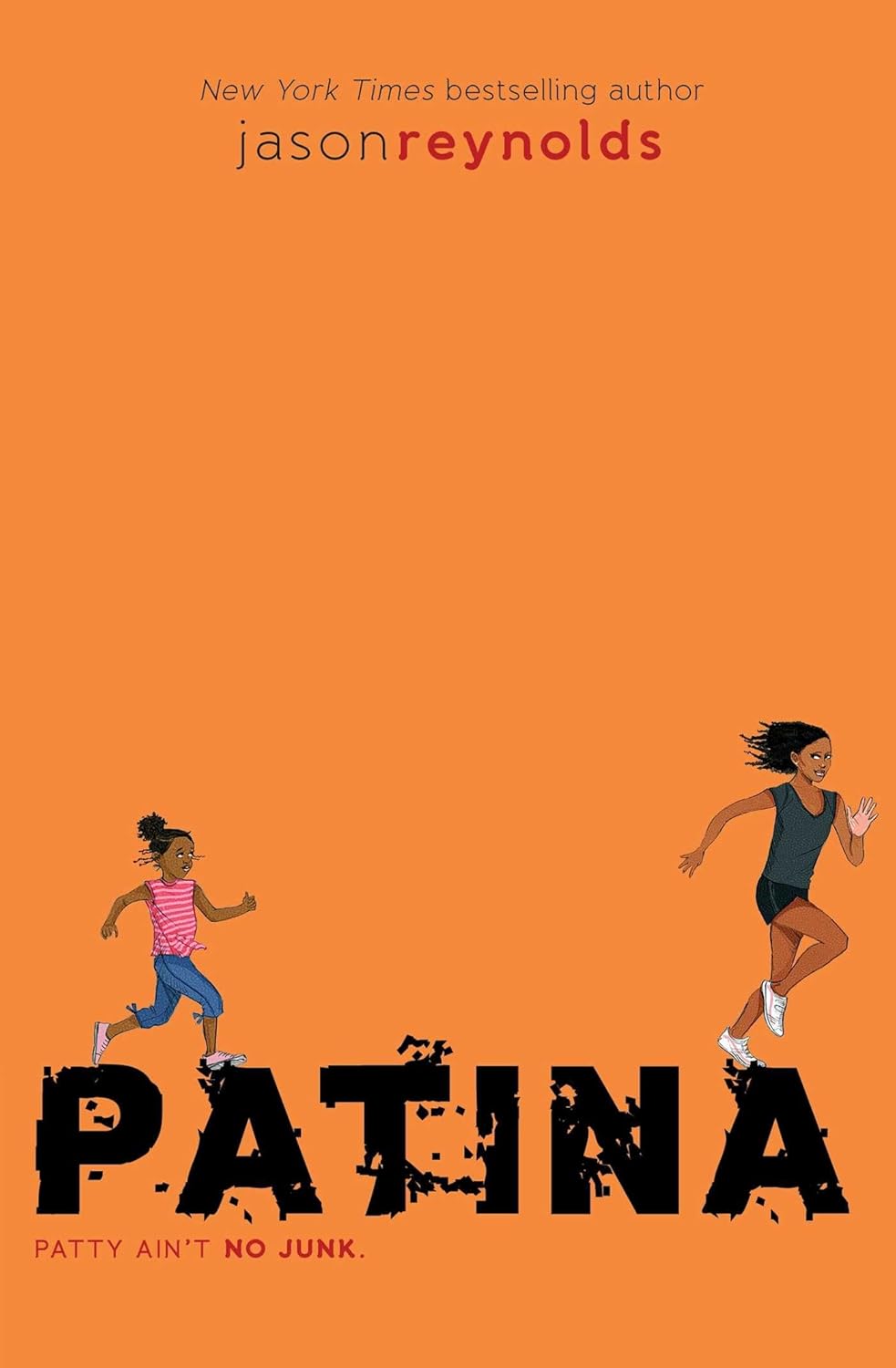
Patina, written by Jason Reynolds, is the second book in the Track series — four linked novels, each narrated by a different member of the Defenders track team, each carrying a different weight. Patina Jones, known as Patty, runs like a flash. She runs for reasons she has been carrying since before she joined the Defenders: her father is dead, her mother is living with the complications of diabetes that have left her unable to care for her daughters, and Patty and her little sister Maddy now live with their Aunt Sandra and Uncle Dre. She is one of two Black girls at a fancy prep school she didn’t choose. She is thirteen years old and has already been passed the baton too early. Track practice is one of the few places she can shine on her own. But the Defenders are putting together a relay team for the Junior Olympics, which means Patty has to do something she has been avoiding: trust her teammates with the baton. A New York Times bestseller and Junior Library Guild selection, it received starred reviews from Booklist and Horn Book and is the most emotionally layered of the four Track books — the one that most directly engages with family, race, and what it costs to be Black in spaces that weren’t built for you. This guide covers reading level, age appropriateness, content, themes, and similar books. Read Ghost first.
For Parents
The second book in the Track series — narrated by a girl navigating a new school, a mother who can’t be present, and a relay race that requires trusting people she barely knows. Ages 10–14, grades 4–7. Content: a parent’s serious illness (diabetes), death of a father, family displacement, and race dynamics at a predominantly white school. No graphic content. Read Ghost first.
For Teachers
A grades 4–7 classroom text with strong connections to family structure, grief, race and belonging, and the relay race as a metaphor for teamwork and trust. New York Times bestseller; Junior Library Guild. Common Sense Media notes that Reynolds “incorporates solid conflict resolution strategies and uses the concept of a relay race as a model of teamwork on the track and in families.” The Frida Kahlo collaborative project thread offers a natural art history classroom connection.
Patina at a Glance
Find on Amazon →| Author | Jason Reynolds |
| Published | 2017 (Atheneum Books for Young Readers) |
| Grade Level | 4–7 (our assessment) |
| Recommended Age | 10–14 |
| Lexile | 710L |
| ATOS Level | 4.7 |
| Word Count | 48,957 |
| Pages | 240 |
| Genre | Realistic fiction / sports |
| Series | Track, Book 2 of 4 (Ghost → Patina → Sunny → Lu) |
| Setting | Contemporary; urban United States |
For official Lexile and AR levels, visit Lexile.com or AR BookFinder. ReadingVine provides independent editorial assessments.
What Reading Level Is Patina?
Lexile 710L, ATOS 4.7, word count 48,957, grades 3–8. Our assessment: grades 4–7, ages 10–14. At nearly 49,000 words and 240 pages, Patina is significantly longer than the other Track books — Ghost (180 pages) and Sunny (24,767 words) are both considerably shorter — which means it reads more like a conventional middle-grade novel and less like a sprint. Reynolds’s voice in Patty’s narration is warm, direct, and fast-moving; the emotional content (family illness, race dynamics, grief) is what requires maturity, not the prose complexity. For official scores, visit Lexile.com or AR BookFinder.
Read the Track Series in Order
The Track series works best read in order: Ghost (2016), Patina (2017), Sunny (2018), Lu (2018). Patina can be read as a standalone — the essential context is provided — but Ghost’s events form the background of the team Patty is joining, and readers who know Ghost will feel the weight of the team more fully. See our Ghost guide for the full series introduction.
What Is Patina About?
Patina Jones is thirteen and a sprinter. She runs because she was born fast, and because running is the one place nobody asks her questions she doesn’t want to answer. Questions like: where is your mom? Why are you living with your aunt and uncle? Why are you one of the only Black girls at this private school?
Patty’s mother has diabetes — serious diabetes, the kind that has taken pieces of her and may take more. Patty’s father is dead. She and her little sister Maddy now live with Aunt Sandra and Uncle Dre, who love them and have adopted them and are doing their best. Patty feels the weight of all of this constantly — the worry about her mother, the grief for her father, the pressure of being at a school where she doesn’t belong, the responsibility of being the older sister that Maddy needs. She is, as Reynolds puts it, a girl who has been passed the baton too early.
At track practice, Coach asks the relay team to trust each other — to literally pass the baton without looking, to run and trust that someone will be there. Patty doesn’t do trust easily. The novel follows her across a school year in which a class project on Frida Kahlo, a new friendship with a classmate she misjudged, and the relay team’s slow development toward actual teamwork all push Patty toward something she has been avoiding: accepting help.
The Relay Race as the Novel’s Central Metaphor
Each Track book uses its protagonist’s specific relationship to their event as a lens for their emotional situation. Patty is a sprinter who must learn to run relay — which means she must learn to pass and receive a baton, to trust a teammate she cannot see, to run her piece and let someone else carry it forward. This is precisely what she cannot do in her personal life: she has been carrying everything alone for so long that trusting anyone else with any piece of it feels impossible.
Common Sense Media notes that Reynolds “uses the concept of a relay race as a model of teamwork on the track and in families” — and the parallel is specific enough that it works as a classroom teaching tool as well as a narrative device. The moment Patty finally passes the baton cleanly, without looking back, is the novel’s emotional climax — and it lands because Reynolds has made both the athletic and the personal meaning of the gesture fully visible.
Race, School, and the Cost of Being “The Only One”
Patty is one of two Black girls at her predominantly white prep school, and Reynolds handles the specific weight of this with the same directness he brings to everything else in the series. The taunts Patty runs from are not abstract; the assumptions her classmates make about her are specific; the work of being visible in a space that wasn’t built for you is depicted as tiring in a way that has nothing to do with sprint times. The Frida Kahlo project — in which Patty is forced to work closely with a classmate she has written off — is the novel’s quietest argument: that assumptions travel in both directions, and that the work of actually seeing someone takes effort from everyone involved.
Patina Themes and Lessons
The novel’s emotional argument is about what it costs to carry everything yourself — and what it costs, differently, to let someone help. Patty has been managing her grief and her worry and her responsibilities without asking for help because asking for help means admitting that the weight is real, and she has been pretending it isn’t. The relay race makes the argument structurally: you cannot run the whole race alone. At some point you have to trust someone to take the baton.
Discussion questions: What does it mean that Patty has been “passed the baton too early”? Why does she find it so hard to trust her relay teammates — and what does that have to do with the rest of her life? What did the Frida Kahlo project teach her that she didn’t expect? What does Aunt Sandra and Uncle Dre’s family look like — and what makes it a real family?
Books Similar to Patina
About Jason Reynolds
See our Ghost guide for a full biography of Jason Reynolds. Patina was published in August 2017, the second Track book and the first with a female narrator — a deliberate choice Reynolds has discussed in interviews as an effort to ensure the series represented the full range of the team. The shift from Ghost’s urban sprint narrative to Patty’s more layered, family-centered story reflects Reynolds’s commitment to giving each Track narrator a genuinely distinct situation and voice rather than varying the same template.
Patina: Frequently Asked Questions
What reading level is Patina by Jason Reynolds?
Lexile 710L, ATOS 4.7, word count 48,957, grades 3–8. Our assessment: grades 4–7, ages 10–14. The longest of the four Track books; reads more like a conventional middle-grade novel. Reading challenge is emotional rather than linguistic. For official scores, visit Lexile.com or AR BookFinder.
What is Patina about?
Patina “Patty” Jones is a sprinter on the Defenders track team whose mother is seriously ill with diabetes, whose father is dead, and who lives with her aunt and uncle while being one of the only Black girls at her new prep school. When the team builds a relay unit for the Junior Olympics, Patty must learn to trust teammates with the baton — which is exactly what she has been unable to do in the rest of her life.
Do I need to read Ghost before Patina?
Reading in order (Ghost → Patina → Sunny → Lu) is recommended — readers who know Ghost will feel the team’s dynamics with more weight. Patina can be read standalone; the essential context is provided. Ghost is the natural starting point for the series.
What does “passed the baton too early” mean?
It’s the novel’s central metaphor: in a relay race, the baton is passed at the right moment, when the next runner is ready. Patty has been handed adult-level responsibilities — worrying about her mother, caring for her sister, managing her grief — before she was ready for them. She is running a race that someone else started, with weight she didn’t ask to carry.