
 = Partner Site
The Autobiography of Malcolm X Reading Level: A Complete Guide
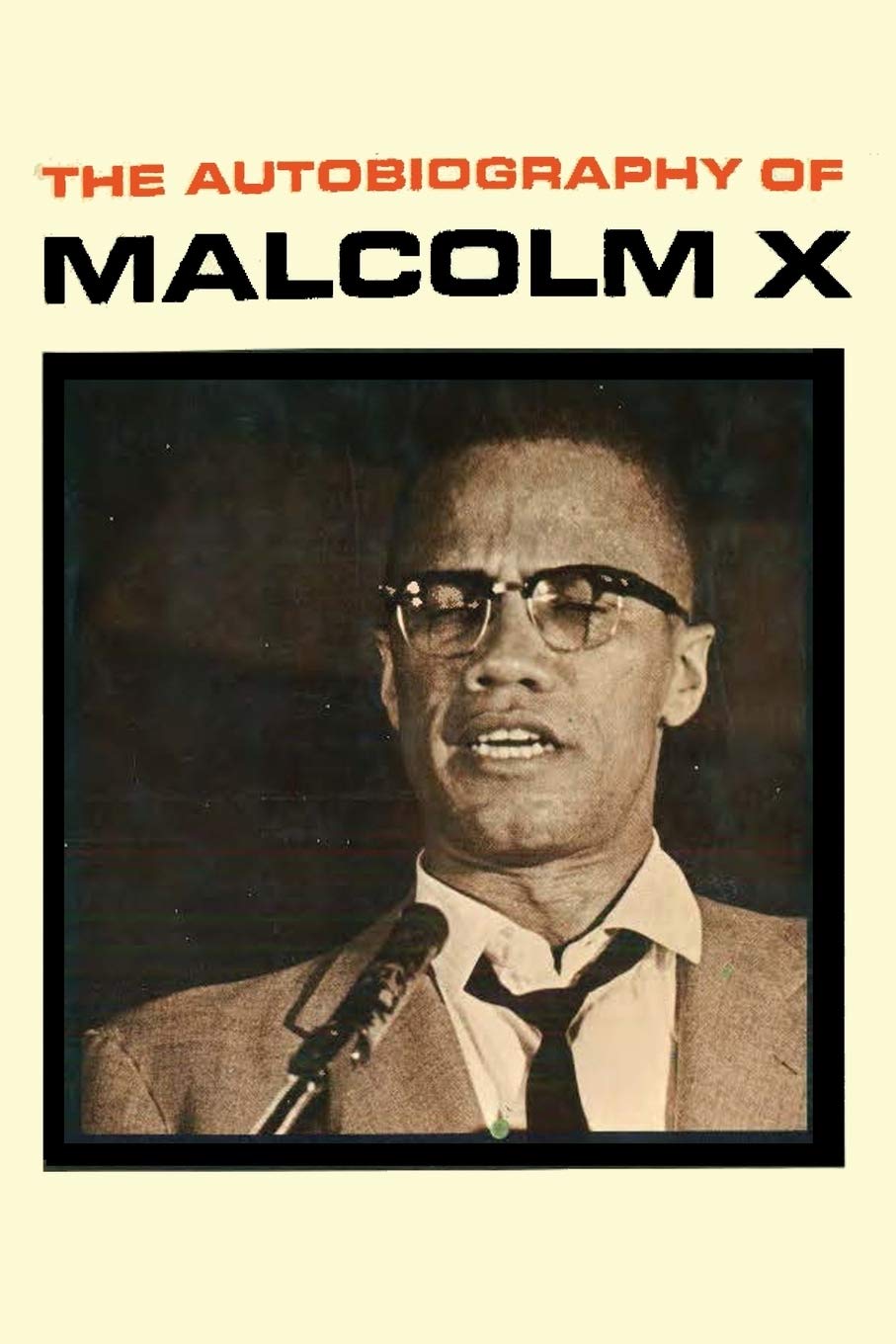
The Autobiography of Malcolm X, as told to Alex Haley, was published by Grove Press in 1965 — the same year its subject was assassinated. It is the result of a collaboration that began in 1963: Alex Haley, a journalist and writer, conducted a series of lengthy recorded interviews with Malcolm X over nearly two years. Haley wrote and arranged the material in first person; Malcolm X reviewed and commented on manuscript drafts during the collaboration. Malcolm X was shot and killed at the Audubon Ballroom in New York City on February 21, 1965. He did not live to see the book published. The autobiography covers Malcolm’s life from his birth as Malcolm Little in Omaha, Nebraska, in 1925 through his transformation from a street criminal in Boston and Harlem, to a prisoner who converted to the Nation of Islam, to the Nation’s foremost spokesman, to a man who broke with Elijah Muhammad and the Nation following his hajj to Mecca in 1964 and founded the Organization of Afro-American Unity. It is among the most widely assigned autobiographies in American high school and college curricula. This guide covers reading level, age appropriateness, content, the collaborative authorship question, structure, themes, and similar books.
For Parents
The autobiography of Malcolm X, covering his life from childhood poverty and family tragedy through criminal activity, imprisonment, conversion to Islam, rise as a civil rights leader, break with the Nation of Islam, and assassination — told to Alex Haley and approved by Malcolm X before his death. Ages 15–18, grades 10–12. Content: descriptions of criminal activity (numbers running, drug dealing, theft) and drug use in the Harlem chapters; racial violence against Malcolm’s family; the assassination. Standard 11th–12th grade American history and literature assignment.
For Teachers
A grades 10–12 American literature and history standard. Lexile 1120L; ATOS 7.5; word count ~184,500; 496 pages. The authorship question — Haley wrote and arranged the material, Malcolm X approved every chapter — is itself a productive discussion topic for AP Literature students reading memoir and autobiography as genres. Time‘s top-ten nonfiction of the 20th century. Chapters can be assigned selectively; the prison and hajj chapters are most commonly excerpted. Challenged in Compton, California (1982) and Dixfield, Maine (1994).
The Autobiography of Malcolm X at a Glance
Find on Amazon →| Author | Malcolm X, as told to Alex Haley |
| Published | 1965 (Grove Press; later Ballantine / Random House) |
| Grade Level | 10–12 (our assessment); AP Literature |
| Recommended Age | 15–18 |
| Lexile | 1120L |
| ATOS Level | 7.5 |
| Word Count | ~184,500 |
| Pages | ~496 |
| Genre | Autobiography / memoir / nonfiction |
| Setting | Omaha, NE; Lansing, MI; Boston; New York City (Harlem); Mecca; 1925–1965 |
For official Lexile and AR levels, visit Lexile.com or AR BookFinder. ReadingVine provides independent editorial assessments.
What Reading Level Is The Autobiography of Malcolm X?
Lexile 1120L, ATOS 7.5, word count ~184,500, interest level grades 7–12. Our assessment: grades 10–12, ages 15–18, most commonly assigned in 11th or 12th grade. The 1120L reflects the book’s formal, often declamatory prose style — Malcolm X’s voice as rendered by Haley is oratorical rather than conversational, with long, complex sentences and a wide vocabulary. The reading challenge is linguistic as well as contextual: the history of the Nation of Islam, the civil rights movement, and the Black Power era are not assumed knowledge and require background instruction for most high school readers. The book is long at 496 pages and ~184,500 words; many curricula assign selected chapters rather than the full text. For official scores, visit Lexile.com or AR BookFinder.
The Authorship Question — Malcolm X and Alex Haley
The book is classified as autobiography but produced through an unusual collaboration. Alex Haley — who would later write Roots (1976) — conducted a series of lengthy recorded interviews with Malcolm X from 1963 to 1965. Haley wrote up and arranged the material in the first person, as Malcolm X’s voice. Malcolm X read and edited every chapter, approving the final text. The two men worked this way for nearly two years while Malcolm X’s public life was at its most intense and most dangerous.
Malcolm X was aware that he might not live to see the book published. He told Haley: “I don’t expect to live long enough to read this book in its finished form.” He was assassinated on February 21, 1965. The book was published that same year.
Because Haley wrote and arranged the material, questions arise about the degree to which the voice on the page is Malcolm X’s own versus a collaboration. Haley included an epilogue describing his working relationship with Malcolm X, which is often assigned alongside the autobiography and provides the most direct account of how the book was produced. The authorship question is itself a productive discussion topic on autobiography, memoir, and collaborative life-writing.
What Is The Autobiography of Malcolm X About?
Childhood and family tragedy. Malcolm Little was born on May 19, 1925, in Omaha, Nebraska. His father, the Reverend Earl Little, died in 1931 — Malcolm believed he was killed by white supremacists, though the official ruling was an accident. His mother Louise Little suffered a mental breakdown and was institutionalized in 1939. Malcolm and his siblings entered foster care and institutional settings.
Boston and Harlem. Malcolm moved to Boston as a teenager, then to New York City, where he became involved in numbers running, drug dealing, and theft. He was arrested in 1946 and sentenced to eight to ten years in prison.
Prison and conversion. In prison, Malcolm educated himself by reading through the prison library and converted to the Nation of Islam through the influence of his brother Reginald. He adopted the name Malcolm X — the X representing the African surname slavery had taken from him — and became a devoted follower of Elijah Muhammad.
Nation of Islam spokesman. Released in 1952, Malcolm X became the Nation of Islam’s most visible spokesman, establishing new mosques and building the organization’s membership. His rhetoric advocated Black self-determination and challenged the mainstream civil rights movement’s integration strategy.
Break with the Nation of Islam. In 1964, following the revelation that Elijah Muhammad had fathered children with multiple young women in the organization, Malcolm broke publicly with the Nation. He had also been suspended by Muhammad for characterizing John F. Kennedy’s assassination as a case of “chickens coming home to roost.”
Hajj and transformation. In 1964, Malcolm X performed the hajj — the pilgrimage to Mecca — and encountered Muslims of many races praying together as equals. This experience led him to revise his previous positions on race. He founded the Organization of Afro-American Unity and adopted the name El-Hajj Malik El-Shabazz.
Assassination. Malcolm X was shot and killed at the Audubon Ballroom in Washington Heights, New York, on February 21, 1965. Three men associated with the Nation of Islam were convicted of the murder.
The Autobiography of Malcolm X Themes and Lessons
The autobiography’s central structural feature is transformation: Malcolm X’s life changed direction fundamentally and repeatedly, and each phase involved a repudiation of who he had been before. The name changes trace this pattern: Malcolm Little to Detroit Red to Malcolm X to El-Hajj Malik El-Shabazz.
The prison chapters — in which Malcolm educates himself by reading through the prison library and copies the dictionary from beginning to end to improve his vocabulary — are among the most widely excerpted sections of the book. The hajj chapters represent the autobiography’s most complex historical moment: Malcolm’s encounter with racially diverse Muslim communities led him to revise positions he had held and publicly advocated for years, making the autobiography one of the rare first-person accounts of a public figure genuinely changing his mind about something central to his public identity.
Discussion questions: How does Malcolm X’s understanding of race change between his Nation of Islam years and his post-hajj period? What does the X represent — why does the autobiography treat the name change as significant? What is the difference between the civil rights movement’s integration strategy and Malcolm X’s position? How does Haley’s role as the writer of Malcolm X’s story affect how you read the autobiography?
Challenge History
The book has been challenged in school districts for its descriptions of criminal activity, drug use, and political content. Documented challenges include Compton, California (1982, challenged and returned to shelves after review) and Dixfield, Maine (1994). It appears on TeachingBooks’ Banned & Challenged Classics list.
Books Similar to The Autobiography of Malcolm X
About Malcolm X and Alex Haley
Malcolm X was born Malcolm Little on May 19, 1925, in Omaha, Nebraska. His father died in 1931; his mother was institutionalized in 1939; Malcolm entered foster care. He moved to Boston, then New York, where he became involved in criminal activity. Arrested in 1946, he served approximately six years before being paroled in 1952. In prison he converted to the Nation of Islam and educated himself by reading through the prison library. After his release he became the Nation’s foremost spokesman. He broke with the Nation of Islam in 1964 and performed the hajj, revising his positions on race. He founded the Organization of Afro-American Unity and adopted the name El-Hajj Malik El-Shabazz. He was assassinated on February 21, 1965, at the Audubon Ballroom in New York City. He was thirty-nine years old.
Alex Haley (1921–1992) was a journalist and writer who served twenty years in the US Coast Guard before turning to writing. He is best known for Roots: The Saga of an American Family (1976). He conducted the interviews forming the basis of the autobiography beginning in 1963 and also conducted a notable interview with Malcolm X for Playboy magazine (1963) that is sometimes assigned alongside the autobiography.
The Autobiography of Malcolm X: Frequently Asked Questions
What reading level is The Autobiography of Malcolm X?
Lexile 1120L, ATOS 7.5, word count ~184,500, interest level grades 7–12. Our assessment: grades 10–12, ages 15–18, most commonly 11th or 12th grade. Formal oratorical prose style and length (496 pages) are the primary reading challenges, alongside contextual knowledge required. For official scores, visit Lexile.com or AR BookFinder.
Did Malcolm X write The Autobiography of Malcolm X?
Malcolm X told his story to Alex Haley through recorded interviews over nearly two years. Haley wrote and arranged the material in first person; Malcolm X edited and approved every chapter. He was assassinated in February 1965 before the book was published that year. Haley’s epilogue, included in standard editions, describes the collaborative process in detail.
What is The Autobiography of Malcolm X about?
Malcolm X’s life from childhood in Omaha through criminal activity in Boston and Harlem, imprisonment and conversion to the Nation of Islam, rise as the Nation’s foremost spokesman, break with the Nation following revelation of Elijah Muhammad’s conduct, hajj to Mecca and revision of his positions on race, founding of the Organization of Afro-American Unity, and assassination in February 1965.
What does the X in Malcolm X mean?
The X represents the African family name that slavery took from Black Americans — replacing the enslaver’s surname. Nation of Islam members adopted X as their surname as a rejection of what the Nation called a “slave name.” Malcolm X later adopted the name El-Hajj Malik El-Shabazz after his hajj to Mecca.
How did Malcolm X’s views on race change?
During his Nation of Islam years, he described white Americans collectively as the enemy of Black Americans. After his hajj to Mecca in 1964 — where he encountered Muslims of many races praying together as equals — he revised this position, describing racism as a human problem rather than a white problem and becoming more open to cross-racial cooperation.
What grade is The Autobiography of Malcolm X typically assigned?
Most commonly in 10th, 11th, or 12th grade — in American literature, American history, or civil rights movement units. Many curricula assign selected chapters rather than the full text; the prison and hajj chapters are most commonly excerpted. The Lexile of 1120L and length of 496 pages make it most appropriate for high school readers with classroom instruction.