
 = Partner Site
The Lion, the Witch and the Wardrobe Reading Level: A Complete Guide
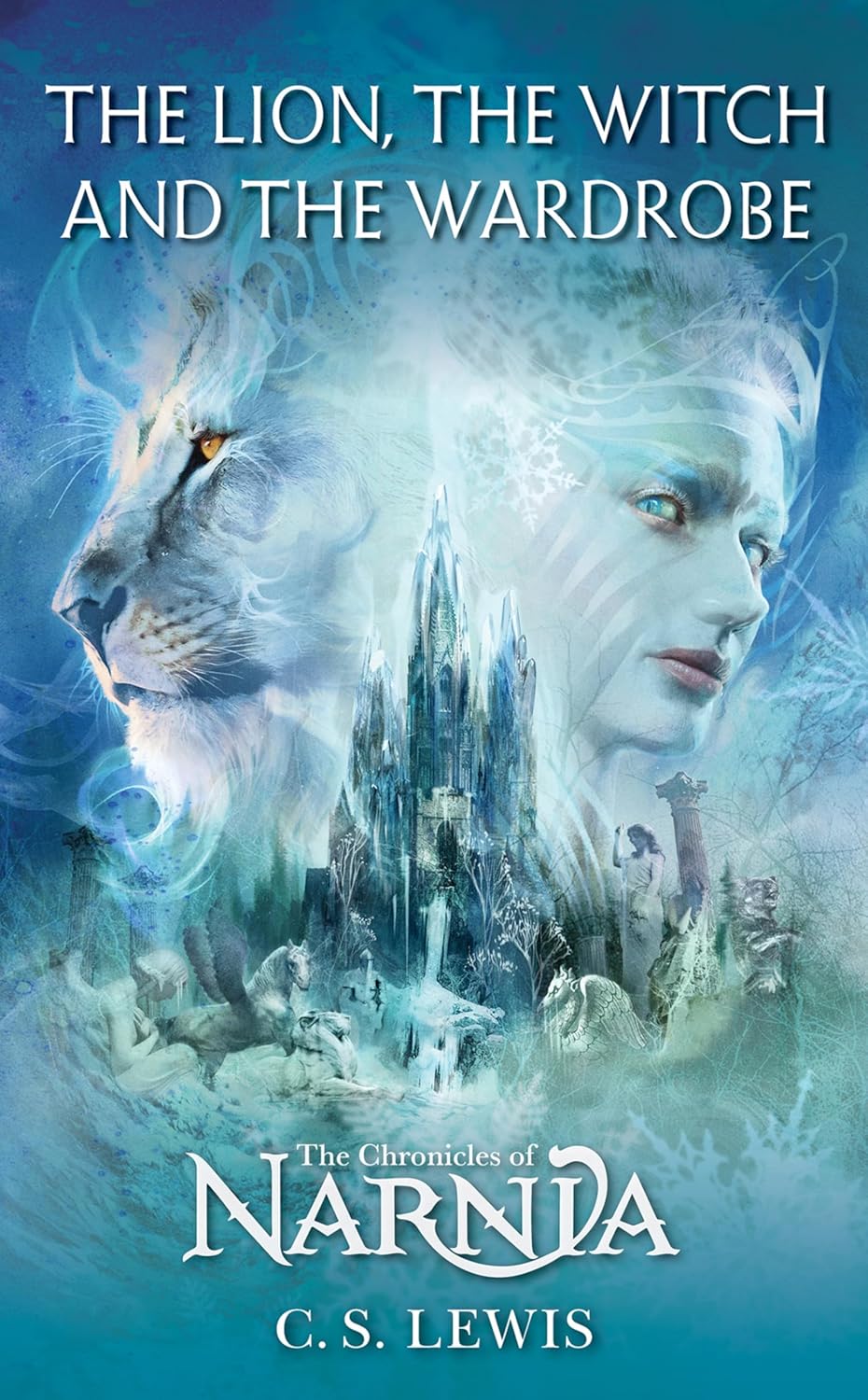
The Lion, the Witch and the Wardrobe by C.S. Lewis tells the timeless story of four children who discover a magical land locked in eternal winter by an evil witch. This guide provides parents and teachers with reading level information, age recommendations, content insights, and discussion questions for this beloved fantasy classic about courage, redemption, and the battle between good and evil.
For Parents
Find the right reading level for your child, understand the book’s Christian allegory and themes, and get conversation starters to help your child explore questions about sacrifice, forgiveness, and choosing what’s right over what’s easy.
For Teachers
Access grade-level guidance, reading metrics, character analysis support, and thematic discussion questions perfect for classroom use. This classic offers rich opportunities for exploring symbolism, character development, and the fantasy genre’s foundational elements.
The Lion, the Witch and the Wardrobe at a Glance
Find on Amazon →| Author | C.S. Lewis |
| Published | 1950 |
| Grade Level | 4–6 (our assessment) |
| Recommended Age | 9–12 |
| Flesch-Kincaid Grade | 5.7 |
| Word Count | ~38,000 |
| Pages | 206 (standard paperback) |
| Chapters | 17 |
| Genre | Children’s fiction / fantasy / adventure |
| Setting | England during WWII and the magical land of Narnia |
| Awards | Classic (first published book of The Chronicles of Narnia series) |
For official Lexile and AR levels, visit Lexile.com or AR BookFinder. ReadingVine provides independent editorial assessments.
What Reading Level Is The Lion, the Witch and the Wardrobe?
The Lion, the Witch and the Wardrobe is appropriate for grades 4–6, with a Flesch-Kincaid grade level of 5.7. The vocabulary is moderately sophisticated with some British English terms and fantasy-specific language, and the sentence structure includes both simple and complex constructions. Lewis writes in a narrative style that occasionally addresses the reader directly, creating an intimate, storytelling feel.
Lewis’s prose is clear and accessible, though it reflects his British background and the 1950s era in which it was written. Words like “wireless” (radio), “Father Christmas” (Santa Claus), and British spellings may be unfamiliar to American readers but are usually clear from context. The fantasy elements—talking animals, mythological creatures, magic—are straightforward, and the plot follows a classic quest structure that’s easy to track even when multiple storylines occur simultaneously.
While strong fourth graders can handle the reading mechanics, the story resonates most deeply with readers ages 9–12 who can understand the moral complexity (Edmund’s betrayal and redemption), appreciate the allegorical elements (even if they don’t catch every reference), and engage with themes about sacrifice, loyalty, and choosing good over evil. The book rewards readers who enjoy classic fantasy adventures with clear heroes and villains, magical worlds with their own rules, and stories where ordinary children become kings and queens.
What Age Is The Lion, the Witch and the Wardrobe Appropriate For?
The Lion, the Witch and the Wardrobe is most appropriate for readers ages 9–12. The story deals with war (World War II as background), betrayal, death, and battle scenes. While Lewis handles these topics in age-appropriate ways for children’s literature, the themes are serious and require some maturity to process.
Death of a major character: Aslan is killed by the White Witch in a sacrificial scene that is emotionally intense. The description is not graphic but is sad and disturbing. He is resurrected later, but the death scene can upset sensitive readers.
Battle violence: The climactic battle includes descriptions of fighting, creatures being killed, and warfare. While not extremely graphic, it’s more violent than many modern middle-grade books.
Betrayal and moral complexity: Edmund betrays his siblings to the Witch, motivated by greed and spite. His actions have serious consequences, including nearly getting everyone killed. This storyline requires understanding of complex motivations.
The Witch’s cruelty: The White Witch turns creatures to stone, holds Narnia under perpetual winter, and is generally terrifying. Some scenes of her cruelty may frighten younger readers.
WWII context: The children are sent away because of air raids on London. This historical context may need explanation for children unfamiliar with World War II.
What’s NOT in the book: No sexual content, no profanity (though British terms like “beastly” might seem quaint). The violence serves the story’s themes about good versus evil and is not gratuitous. The death scene, while sad, is ultimately redemptive and hopeful. The book’s Christian allegory is present but works on its own as a fantasy adventure even without recognizing the religious symbolism.
What Is The Lion, the Witch and the Wardrobe About?
Four siblings—Peter, Susan, Edmund, and Lucy Pevensie—are sent from London to the countryside to escape the German air raids during World War II. They stay with an old Professor in his large, mysterious house. While exploring on a rainy day, Lucy, the youngest, discovers a wardrobe that leads to a magical land called Narnia. There she meets Mr. Tumnus, a Faun, who tells her that Narnia is ruled by the evil White Witch, who has cast a spell making it “always winter and never Christmas.”
Lucy returns to tell her siblings, but when they look in the wardrobe, there’s nothing magical about it. Edmund, the second youngest, is cruel and doesn’t believe her. However, when Lucy goes back to Narnia, Edmund follows her and meets the White Witch herself. The Witch, pretending to be kind, gives him enchanted Turkish Delight and promises to make him a prince if he brings his siblings to her. Edmund, greedy and already resentful of his older brother Peter, agrees.
Eventually, all four children enter Narnia together and learn from the Beavers (talking animals) about Aslan, the great Lion who is the true king of Narnia. There’s an ancient prophecy that when two Sons of Adam and two Daughters of Eve sit on the four thrones at Cair Paravel, the White Witch’s reign will end. The Witch knows this and wants to prevent the prophecy. She has a claim on Edmund’s life because he’s a traitor, and according to the Deep Magic (ancient laws), all traitors belong to her.
Edmund sneaks away to betray his siblings to the Witch, but when he reaches her castle, he discovers she’s cruel and evil—she doesn’t give him more Turkish Delight, threatens him, and he realizes his terrible mistake. Meanwhile, Peter, Susan, and Lucy meet Aslan, who is noble, powerful, and fills them with awe. Aslan’s army gathers to fight the Witch, and they rescue Edmund from her castle.
The Witch demands Edmund’s life according to the Deep Magic, but Aslan makes a secret deal with her. That night, Susan and Lucy secretly follow Aslan and discover he has agreed to die in Edmund’s place. The Witch and her followers mock, humiliate, and kill Aslan on the Stone Table while the girls watch in horror. The Witch believes she has won.
But Aslan knew something the Witch didn’t: there’s a Deeper Magic from before the dawn of time that says when a willing, innocent victim is killed in a traitor’s place, death itself will work backward. Aslan comes back to life, more powerful than before. He brings the Stone Table’s victims (creatures the Witch turned to stone) back to life and leads them to join the great battle.
Peter leads the Narnian forces against the Witch’s army in a fierce battle. Aslan arrives with reinforcements, and the Witch is defeated. The four children are crowned Kings and Queens of Narnia and reign for many years, growing into adults. They rule wisely and well, becoming legendary figures. One day, while hunting a magical white stag, they stumble back through the wardrobe and find themselves children again in the Professor’s house, with no time having passed in England. The Professor assures them that Narnia is real and they’ll likely return someday. The book ends with the promise that their adventures are far from over.
The Lion, the Witch and the Wardrobe Characters
The Lion, the Witch and the Wardrobe Themes and Lessons
At its heart, The Lion, the Witch and the Wardrobe is about sacrifice and redemption. Aslan’s death in Edmund’s place mirrors Christ’s crucifixion—an innocent dying for a guilty person, motivated by love. The Deeper Magic represents grace overcoming law, showing that sacrificial love is more powerful than justice demanding punishment. Edmund’s transformation from traitor to King Edmund the Just demonstrates that people can change, be forgiven, and become better than they were. This theme teaches that no one is beyond redemption if they genuinely repent.
The book also explores the nature of good and evil. The White Witch represents tyranny, cruelty, and winter without end—a world where beauty and joy are frozen. Aslan represents summer, life, goodness, and rightful authority based on love rather than fear. The children must choose which side to serve, and Edmund learns painfully that what seems attractive (Turkish Delight, promises of power) is often a trap. The story teaches that choosing what’s right often means choosing what’s difficult, and that standing with the good requires courage even when evil seems more powerful.
Discussion questions for families:
- Why does Edmund betray his siblings? What does the Turkish Delight represent in terms of temptation?
- How does Lucy show courage even when no one believes her about Narnia? What does this teach about standing up for the truth?
- Why does Aslan agree to die for Edmund? What does this teach about sacrifice and love?
- How does Edmund change throughout the story? What helps him become a better person?
How Many Pages and Chapters in The Lion, the Witch and the Wardrobe?
The Lion, the Witch and the Wardrobe has 206 pages in the standard paperback edition and is divided into 17 chapters. The word count is approximately 38,000 words, making it a substantial but manageable read for middle-grade readers. The chapters average about 12 pages each and are titled descriptively (like “What Happened After Dinner” and “Deep Magic from the Dawn of Time”), providing clear structure and natural stopping points.
For independent readers in the target age range (9–12), the book typically takes 5–6 hours to complete, or about two weeks of reading 30 minutes per day. The adventure plot and the suspense of whether the children will defeat the Witch keep readers engaged, and many find it difficult to put down, especially during the climactic battle and Aslan’s resurrection.
As a read-aloud, The Lion, the Witch and the Wardrobe takes approximately 4–5 hours total. The descriptive language, the various character voices (from the noble Aslan to the cruel Witch to the proper Beavers), and the dramatic scenes make it excellent for reading aloud. Many families read it together because the themes about faith, sacrifice, and forgiveness naturally prompt important conversations, and the sad scene of Aslan’s death is easier for children to process with parental support and reassurance about the resurrection to come.
Books Similar to The Lion, the Witch and the Wardrobe
If your child enjoyed The Lion, the Witch and the Wardrobe, here are six similar books that explore themes of fantasy, adventure, and good versus evil:
About C.S. Lewis
C.S. Lewis (1898–1963) was a British writer, scholar, and Christian apologist who became one of the most influential authors of the 20th century. Born in Belfast, Ireland, Lewis was a professor of medieval literature at Oxford and Cambridge universities. The Chronicles of Narnia series began when Lewis started imagining stories to tell his goddaughter, combining his love of mythology, medieval literature, and Christian theology. The Lion, the Witch and the Wardrobe, published in 1950, was the first Narnia book published (though chronologically it’s the second in the series). Lewis wrote it partly to present Christian truths in a form children could understand and enjoy without feeling preached to. The idea of children entering another world through a wardrobe came from Lewis’s own childhood when he and his brother created imaginary worlds together. The character of Aslan was inspired by Lewis asking himself what form Christ might take if he appeared in a fantasy world—he concluded a lion, “the king of beasts,” would be fitting. Lewis wrote seven Chronicles of Narnia books in total, and they’ve sold over 100 million copies worldwide. Beyond Narnia, Lewis wrote influential Christian works like Mere Christianity and The Screwtape Letters, science fiction novels, and literary criticism. He was close friends with J.R.R. Tolkien, and they were both members of the Inklings, a literary discussion group at Oxford. Lewis’s Narnia books remain beloved because they work on multiple levels—as exciting fantasy adventures for children and as profound allegories exploring faith, morality, and the nature of good and evil for readers of all ages.
The Lion, the Witch and the Wardrobe: Frequently Asked Questions
Is The Lion, the Witch and the Wardrobe a religious book?
The Lion, the Witch and the Wardrobe contains Christian allegory—Aslan represents Christ, his death and resurrection mirror Jesus’s crucifixion and resurrection, and the Deep Magic represents biblical law while the Deeper Magic represents grace. However, Lewis wrote it to work on two levels: as a straightforward fantasy adventure that can be enjoyed without recognizing the religious symbolism, and as a deeper allegory for those who do. Many children read and love the book purely as a fantasy story about good versus evil, magical creatures, and brave children becoming kings and queens. The Christian elements enhance the meaning for readers familiar with them but don’t require religious knowledge to enjoy the story. Lewis believed that experiencing these truths through story could be more powerful than direct preaching, making them real and emotionally resonant.
Does Aslan die in The Lion, the Witch and the Wardrobe?
Yes, Aslan dies in The Lion, the Witch and the Wardrobe, but he comes back to life. Aslan agrees to die in Edmund’s place to satisfy the White Witch’s claim on Edmund’s life according to the Deep Magic. The Witch and her followers mock, humiliate, and kill Aslan on the Stone Table while Susan and Lucy watch in grief. However, Aslan knew about a Deeper Magic from before the dawn of time: when a willing, innocent victim is sacrificed in a traitor’s place, death itself reverses. Aslan is resurrected, more powerful than before, and goes on to defeat the Witch and restore Narnia. This mirrors the Christian story of Jesus’s death and resurrection. While the death scene is sad and can upset readers, it’s ultimately a story about hope, sacrifice, and the triumph of good over evil.
Why does Edmund betray his siblings?
Edmund betrays his siblings for several reasons. First, he’s already resentful of his older brother Peter and jealous of Lucy’s special discovery. When the White Witch offers him enchanted Turkish Delight and promises to make him a prince (and king over his siblings), he’s tempted by both the magical candy and the idea of power. The Turkish Delight is addictive and clouds his judgment, representing how temptation can trap us. Edmund also wants to hurt Lucy because she was right about Narnia and he was wrong. His pride and selfishness make him vulnerable to the Witch’s manipulation. However, Edmund realizes his terrible mistake when he sees the Witch’s true cruelty. His journey from selfish traitor to repentant person to King Edmund the Just shows that people can change and be redeemed through genuine remorse and the forgiveness of others.
What does the White Witch represent?
The White Witch represents evil, tyranny, and the corruption of power. Her eternal winter symbolizes a world frozen and dead—beautiful on the surface but lifeless underneath. She rules through fear rather than love, turns her enemies to stone (destroying their life and agency), and claims authority she has no right to hold. In Christian allegorical readings of the book, she’s often seen as representing Satan—a usurper who claims to own souls (Edmund) through the law but is ultimately defeated by sacrificial love (Aslan). She also represents the temptation of sin—she offers Edmund what seems sweet (Turkish Delight) but is actually poisonous, and promises power but delivers slavery. Her defeat represents the triumph of love, life, and rightful authority over cruelty, death, and tyranny. She’s terrifying but ultimately powerless against Aslan’s true goodness.
In what order should you read The Chronicles of Narnia?
There are two reading orders for The Chronicles of Narnia. Publication order (the order C.S. Lewis wrote and published them): The Lion, the Witch and the Wardrobe (1950), Prince Caspian (1951), The Voyage of the Dawn Treader (1952), The Silver Chair (1953), The Horse and His Boy (1954), The Magician’s Nephew (1955), The Last Battle (1956). Chronological order (the order events happen in Narnia): The Magician’s Nephew, The Lion, the Witch and the Wardrobe, The Horse and His Boy, Prince Caspian, The Voyage of the Dawn Treader, The Silver Chair, The Last Battle. Most readers recommend publication order for first-time readers because it preserves the sense of discovery and allows you to experience Narnia as Lewis intended his original audience to. The Magician’s Nephew explains things that are more magical when mysterious. However, chronological order works well for rereading or for readers who prefer things in timeline order.
Is The Lion, the Witch and the Wardrobe appropriate for 8-year-olds?
The Lion, the Witch and the Wardrobe can be appropriate for mature 8-year-olds, especially as a read-aloud, though 9+ is generally better. The reading level (5.7 Flesch-Kincaid) is slightly above typical third grade, but strong 8-year-old readers can handle the mechanics. However, the content—particularly Aslan’s death scene and the battle violence—may be too intense for some 8-year-olds. The scene where Aslan is tortured and killed is emotionally powerful and can be very upsetting even though he’s resurrected. As a read-aloud with a parent who can prepare the child for the sad scene and reassure them about the resurrection, it works well for many 8-year-olds who enjoy fantasy. For independent reading, 9 and up is typically more appropriate.
How long do the children stay in Narnia?
The children stay in Narnia for many years—they grow from children into adults, ruling as Kings and Queens from their thrones at Cair Paravel. The book says they had “long and happy” reigns, becoming legendary figures. They’re adults when they accidentally stumble back through the wardrobe while hunting the white stag. However, no time passes in England—they return as children the same moment they left, as if no time had passed at all. This is one of the magical properties of Narnia: time moves differently there than in our world. The children remember their time ruling Narnia even though they’re physically children again. This becomes important in later Narnia books when they return to Narnia and time has passed differently once more.
What is the main message of The Lion, the Witch and the Wardrobe?
The main message is that sacrificial love is more powerful than evil, and that redemption is possible for everyone who genuinely repents. Aslan’s willing death for Edmund demonstrates that true love means putting others before yourself, even to the point of death. His resurrection shows that such sacrificial love ultimately triumphs over evil and death itself. Edmund’s journey from traitor to King Edmund the Just teaches that no one is beyond redemption—people can change, be forgiven, and become better than they were. The book also teaches about courage (Lucy standing firm in her belief despite mockery), loyalty (Peter and Susan fighting for Narnia), and choosing what’s right over what’s easy or comfortable (Mr. Tumnus choosing to help Lucy despite his fear). Ultimately, it’s a story about hope, the triumph of good over evil, and the transforming power of love and grace.